Only about one-third of U.S. employees strongly agree they received recognition for good work in the past seven days, according to Gallup workplace research. That number has barely moved in over a decade. Organizations with structured recognition programs, however, experience 31% lower voluntary turnover, per Deloitte’s engagement research. The difference between losing talent and keeping it often starts with how (and how often) people feel appreciated.
Employee recognition strategies are not a nice-to-have. They are a retention tool, a performance driver, and a direct reflection of organizational culture. Yet most companies still rely on annual awards banquets or sporadic email shout-outs that fail to move the needle on engagement or loyalty.
HR leaders and team managers face a familiar set of frustrations. Recognition programs go stale within months. Budgets get slashed during downturns. Remote and hybrid teams feel invisible compared to in-office staff. And when recognition does happen, it often arrives as a generic gift card or a companywide email that no one remembers the next week. These are structural problems that a new software platform alone will not fix.
Why Employee Recognition Strategies Need a Complete Rethink
Most recognition efforts fail because they treat appreciation as an event rather than a system. A single “Employee of the Month” plaque does nothing for the 99% of staff who did not receive it. Worse, it signals that recognition is scarce, competitive, and reserved for top performers only.
Effective employee recognition strategies operate on multiple channels, at multiple frequencies, and through multiple voices. Peer-to-peer recognition, manager acknowledgment, public celebrations, and experiential rewards each serve different psychological needs. The organizations that retain their best people use all of these together, not one in isolation.
What Goes Wrong When Recognition Depends on Managers
Inconsistency Across Teams
One department runs a weekly shout-out channel. Another does nothing. When recognition depends entirely on individual managers, the experience varies wildly. Employees notice the disparity immediately, and it breeds resentment rather than motivation.
Lack of Specificity
“Great job” means almost nothing. Recognition that fails to name the specific behavior, project, or result it celebrates feels hollow. Employees want to know exactly what they did right and why it mattered to the team.
Budget Constraints and Leadership Buy-In
Recognition programs are often the first line item cut during budget reviews. Without executive sponsorship, they lose momentum within a quarter. Leaders who view recognition as a “soft” initiative rather than a business strategy starve it of the resources it needs.
Remote and Hybrid Gaps
Distributed teams miss the informal, in-person praise that office workers receive naturally. Slack messages and virtual badges are better than nothing, but they carry a fraction of the emotional weight of face-to-face acknowledgment.
Strategy 1: Peer-to-Peer Recognition Programs
Peer recognition removes the bottleneck of waiting for a manager to notice good work. Platforms that allow teammates to send quick, specific praise create a culture where appreciation flows in every direction, not just top-down.
The most effective peer programs tie recognition to company values. Instead of a generic “thanks,” a team member writes: “Your client follow-up this week demonstrated exactly the responsiveness we stand for.” That specificity reinforces both the behavior and the value behind it.
Strategy 2: Milestone and Tenure Awards
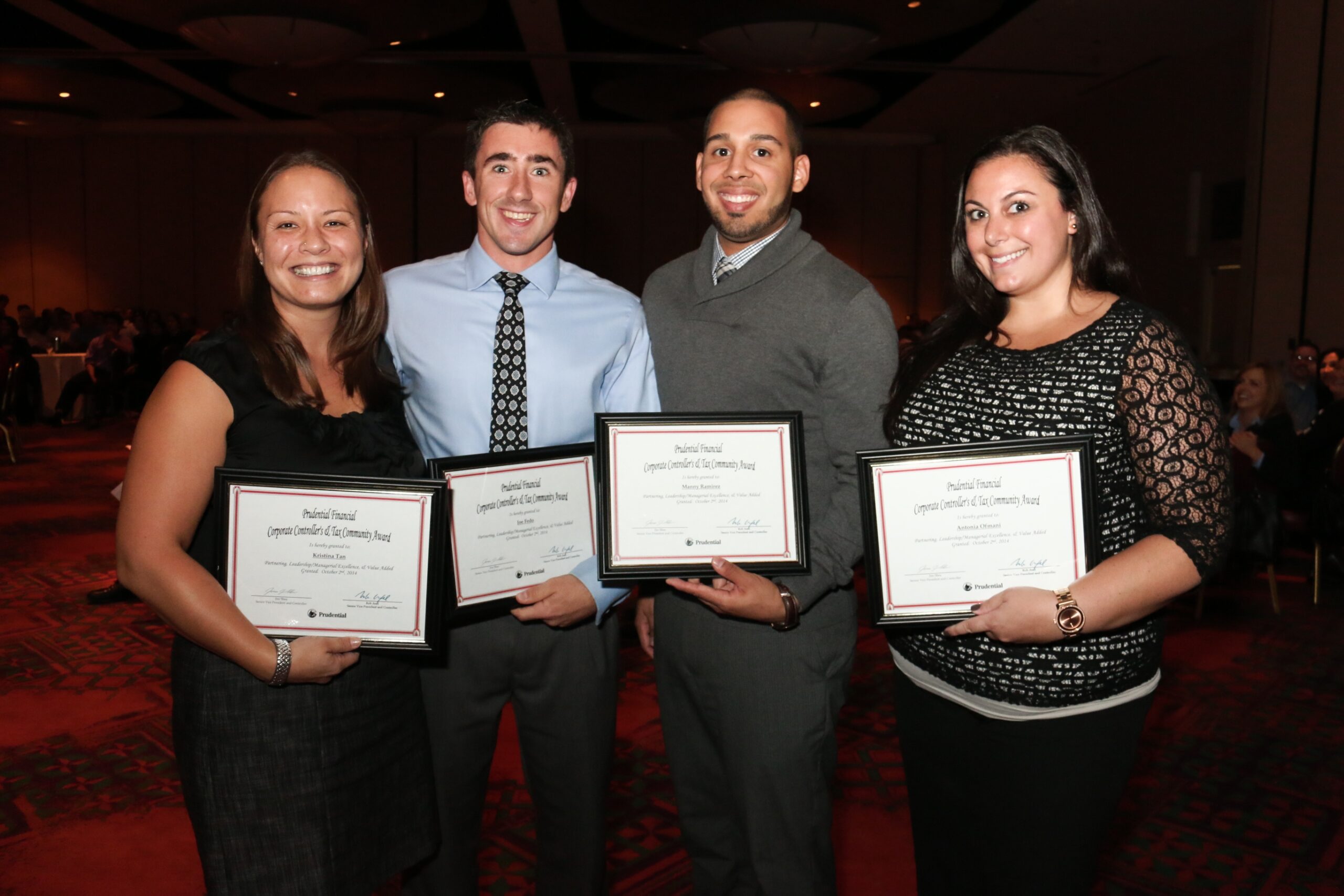
Work anniversaries, project completions, and certification achievements deserve formal acknowledgment. Milestone awards give organizations a predictable, scalable way to recognize long-term commitment and professional growth.
The mistake most companies make is treating these as checkbox exercises. A five-year plaque handed out in a conference room with no context feels bureaucratic. Pairing milestones with a short speech from a direct leader, a personalized gift, or a team gathering transforms the moment into something employees actually value.
Strategy 3: Real-Time Manager Acknowledgment
The best recognition happens close to the moment it was earned. A manager who waits three months to mention a strong quarterly result has already lost the impact. Real-time acknowledgment, whether verbal, written, or through a quick video message, tells employees their work is visible right now.
Train managers to recognize contributions within 48 hours. This does not require a formal process or a budget line. A specific, timely comment in a team meeting or a direct message carries significant weight when it references the actual work and its impact on the team.
Strategy 4: Public Recognition Walls and Digital Platforms
Visibility amplifies recognition. When praise happens publicly, whether on a company intranet, a Slack channel, a physical wall in the office, or during an all-hands meeting, it multiplies the effect. The recognized employee feels valued in front of their peers, and those peers see a concrete model of what the organization rewards.
Digital recognition platforms like Bonusly, Kudos, or Nectar provide structure for this visibility. They aggregate recognition data so leaders spot patterns: which teams give the most recognition, which employees are consistently celebrated, and where gaps exist.
Strategy 5: Professional Development Opportunities
Not all recognition needs to come as praise or gifts. Investing in an employee’s growth is one of the strongest signals of value an organization sends. Funding a conference, approving a certification course, or assigning a stretch project tells someone: “We see your potential and we are investing in it.”
This strategy works particularly well for high performers who are motivated by mastery and advancement rather than public praise. It also benefits the organization directly, since the skills employees gain flow back into their daily work.
Strategy 6: Handwritten and Personalized Praise
A handwritten note from a senior leader still carries outsized impact in a digital workplace. It takes five minutes to write and costs less than a dollar, yet employees frequently keep these notes for years. The rarity of physical, personal communication in 2026 makes it stand out.
Personalized praise also includes recorded video messages, customized gifts that reflect an employee’s interests, or a personal phone call from an executive. The common thread is effort. When recognition clearly took thought and time, employees register it as genuine rather than procedural.
Strategy 7: Live Experiential Recognition Events
Every strategy above operates through words, platforms, or small gestures. Live experiential events operate through shared emotion. When an organization gathers its people for a game show-style awards ceremony, a team achievement celebration, or an interactive recognition event, the memory stays with employees far longer than any digital badge or gift card.
It’s PlayTyme Game Shows runs exactly this type of event for companies across New Jersey, New York City, and Connecticut. Their format turns traditional recognition ceremonies into high-energy, interactive experiences where award recipients are celebrated in front of cheering colleagues, not a polite conference room. The competitive, entertaining structure keeps the entire team engaged instead of checking their phones during a slide deck.
What makes experiential recognition distinct from the other six strategies is its emotional intensity. Psychologists call it the “peak-end rule”: people judge experiences primarily by their most intense moment and their ending. A live event engineered for energy and celebration creates exactly that peak. Employees walk away with a story they retell for months, not a notification they dismiss in seconds.
This approach also addresses the hybrid and remote recognition gap head-on. Bringing distributed teams together for a live corporate event creates the face-to-face connection that digital recognition alone does not replicate. It transforms an annual recognition moment into a genuine team experience.
| Strategy | Format | Frequency | Cost | Emotional Impact |
|---|---|---|---|---|
| Peer-to-Peer Programs | Digital / verbal | Daily | Low | Moderate |
| Milestone Awards | Ceremony / gift | Quarterly / annual | Moderate | Moderate |
| Manager Acknowledgment | Verbal / written | Weekly | Free | High |
| Public Platforms | Digital / physical wall | Ongoing | Low to moderate | Moderate |
| Professional Development | Training / conferences | Quarterly | Moderate to high | High |
| Personalized Praise | Handwritten / video | As earned | Very low | High |
| Live Experiential Events | Game shows / celebrations | Quarterly / annual | Moderate | Very high |
How to Match Recognition Strategies to Your Team’s Culture
No single recognition strategy works for every team. A high-energy sales floor thrives on public competition and live celebrations. A quieter engineering team responds better to personalized praise and professional development budgets. The right approach depends on your team’s size, distribution, values, and communication style.
Start by auditing what you already do. Map every recognition touchpoint across your organization and identify where the gaps are. If most recognition flows from managers only, add a peer-to-peer channel. If recognition is entirely digital, introduce at least one in-person or live event per year to create emotional anchors that no app replicates.
The most effective organizations layer multiple employee recognition strategies together. Daily peer recognition, monthly manager acknowledgment, quarterly milestones, and an annual live recognition event build a system where employees feel valued at every scale. That layered approach is what separates organizations that retain top talent from those that keep losing it.
Ready to make your next recognition event the one your team talks about all year? Contact It’s PlayTyme Game Shows to explore game show-style award ceremonies and corporate celebration events built for teams across NJ, NYC, and CT.
Frequently Asked Questions (FAQs)
How often should companies recognize employees?
Recognition works best when it happens frequently and close to the moment it was earned. Daily or weekly peer recognition paired with monthly manager feedback and quarterly or annual events creates a steady rhythm. Waiting until an annual review to acknowledge contributions is too infrequent to influence engagement.
What is experiential recognition and how does it differ from traditional awards?
Experiential recognition uses live, interactive events (such as game show-style ceremonies) to celebrate achievements. Unlike plaques or gift cards, these events create shared emotional memories that employees recall for months. The social, high-energy format makes recognition feel like a celebration rather than a formality.
How do you recognize remote or hybrid employees effectively?
Remote employees benefit from digital peer recognition platforms, personalized video messages, and public shout-outs during virtual meetings. Periodically bringing distributed teams together for an in-person recognition event bridges the emotional gap that digital tools alone do not fill. The combination of frequent digital recognition with occasional live gatherings is the strongest approach for hybrid teams.