Keeping existing clients is the most profitable growth strategy any organization has. Research published by Harvard Business Review found that a 5% improvement in customer retention rates increases profits by 25% to 95%. Yet most appreciation events (the dinners, the cocktail hours, the award galas) follow the same formula year after year, and attendance quietly declines. On the experiential side, EventMarketer’s EventTrack study reports that 85% of consumers are more likely to purchase from a brand after participating in a live, interactive experience. The data is clear: passive hospitality keeps clients polite — but active participation keeps them loyal.
A game show for client appreciation events flips the typical format. Instead of a keynote speaker or background music, guests compete in studio-style rounds with buzzers, scoreboards, and a professional host who controls the energy of the room. The shift from spectator to contestant is what creates the emotional memory that standard events fail to produce.
But planning a client appreciation event that actually stands out is harder than it sounds. High-value clients (the ones who generate the bulk of your revenue) have attended dozens of corporate dinners and receptions. They recognize a recycled format instantly. If the entertainment feels like filler between courses, the event confirms what they already suspected: your relationship is transactional, not personal. For organizations with repeat stakeholders (law firms hosting referral partners, sports franchises entertaining season-ticket holders, country clubs retaining members), the stakes are higher. These guests compare every event to the last one, and “the same thing we did last year” is the fastest path to disengagement.
What This Comes Down To
- A 5% gain in client retention can increase profits by 25 to 95 percent, per Harvard Business Review.
- 85% of consumers are more likely to purchase from a brand after a live, interactive experience.
- Most appreciation events follow the same passive formula year after year, and attendance declines.
- A game show replaces passive hospitality with buzzers, scoreboards, and competitive studio-style rounds.
- Active participation keeps clients loyal where passive formats only keep them polite.
Why Client Appreciation Events Need a Format Change
The traditional client appreciation event follows a predictable arc: arrive, mingle, sit for a meal, listen to a short speech, leave. Some organizations add a DJ or a photo booth, but these additions are passive. They decorate the event rather than drive it.
The problem is not effort or budget. The problem is that these formats ask nothing of the guest. A client who sits through a dinner is a spectator. A client who competes in a fast-paced trivia round, rings in with a buzzer, and celebrates a team win is a participant. Participation creates a story worth retelling, and that story reinforces the relationship long after the event ends.
Organizations that host annual or quarterly appreciation events feel this pressure most acutely. The first year, a nice dinner is impressive. By year three, it is routine. By year five, clients send a junior associate in their place. A game show format breaks that cycle because it is inherently different from anything else on a corporate social calendar.
Challenges of Making Client Events Feel Fresh and Personal
Event planners responsible for client appreciation face a specific set of obstacles that generic entertainment options do not address.
- Audience fatigue: High-value clients attend multiple corporate events each quarter. They have seen every standard format (cocktail receptions, wine tastings, golf outings) and mentally categorize them as obligations rather than highlights.
- Mixed demographics: A client roster spans ages, industries, and interests. Entertainment that appeals to one segment (a live band, a comedy act) often alienates another. The format needs broad, built-in appeal.
- Engagement without awkwardness: Icebreakers and networking games feel forced when guests are clients, not coworkers. The entertainment needs to create natural interaction without putting anyone on the spot in an uncomfortable way.
- Logistical constraints: Appreciation events happen at restaurants, hotel ballrooms, country clubs, and office atriums. The entertainment needs to work in whatever space the client has booked, with minimal setup disruption.
- Measuring impact: Leadership wants to know the event strengthened relationships, but “everyone seemed to have fun” is not a metric. The format should produce visible, unmistakable engagement (laughter, competition, conversation) that justifies the investment.
What a Game Show for Client Appreciation Events Looks Like
A production-grade game show transforms a standard event space into something that feels like a television set. The core elements include a professional emcee, wireless buzzer systems for each team or table, a large-screen scoreboard visible to the entire room, custom-branded question rounds, and a sound system with walk-on music and countdown timers.
Guests are organized into teams (often by table) and compete across three to five rounds of trivia, word puzzles, music identification, or survey-style questions modeled after popular TV formats. The host keeps the pace fast, calls out team names, and builds rivalries between tables. Rounds last 10 to 15 minutes each, and the entire experience fits into a 60 to 90 minute window.
Why the TV Format Works
Game shows are one of the few entertainment formats with universal cultural recognition. Every guest, regardless of age or background, understands the mechanics: answer the question, beat the clock, outscore the competition. There is no learning curve and no opt-in barrier. The format is immediately familiar, and that familiarity is what makes it inclusive.
Customization for Client Audiences
The strongest game show providers tailor question content to the host organization and its clients. Rounds include industry-specific trivia, company milestones, or inside jokes that reward long-term clients for their loyalty. This personalization turns a generic game into a shared experience that reinforces the relationship.
Industries Where Game Shows Drive Client Retention
Certain industries see outsized returns from game show entertainment because their client relationships depend on repeated, memorable touchpoints.
Professional Sports Franchises
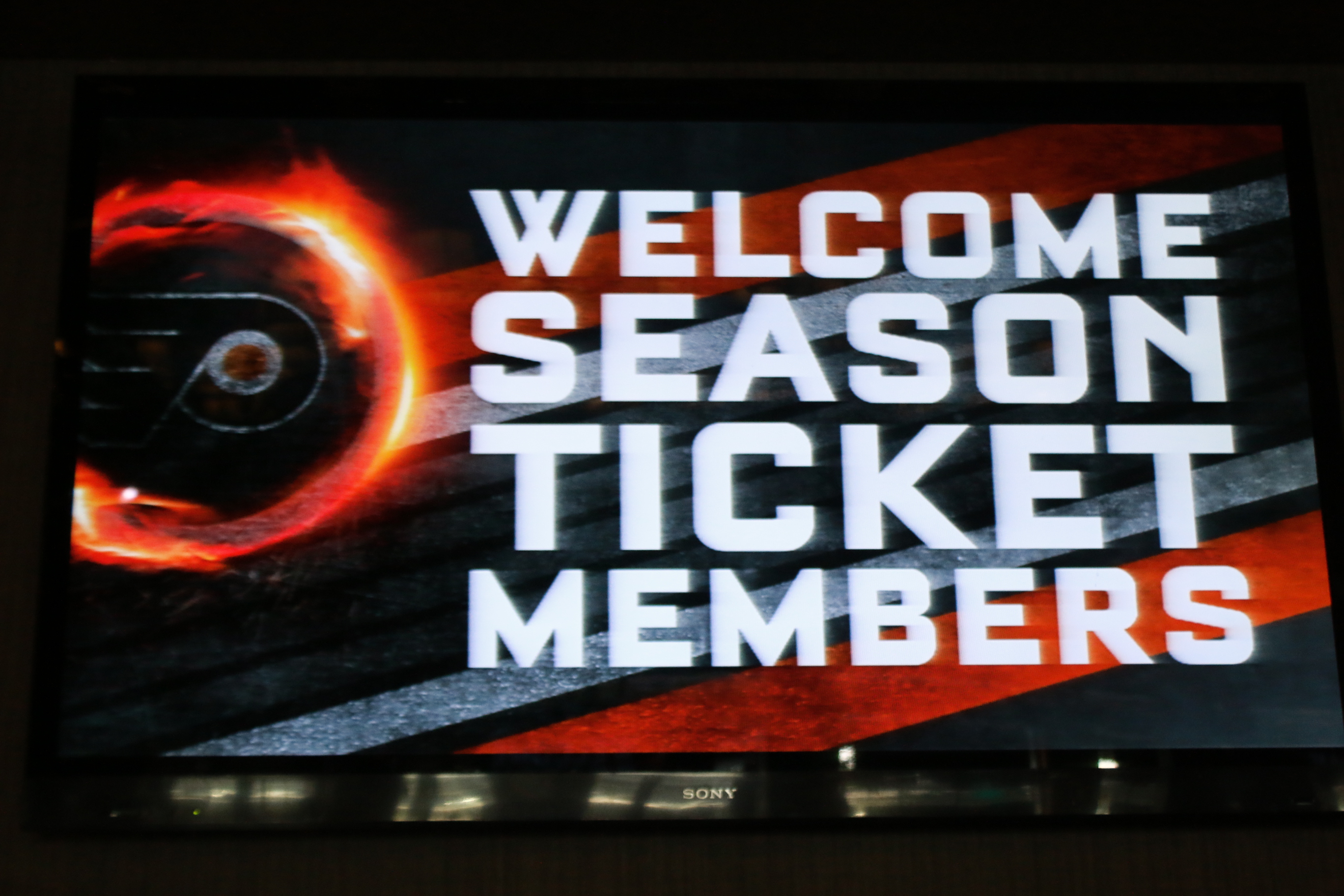
NHL, NBA, and MLB teams host season-ticket holder appreciation nights multiple times per year. These high-value fans have access to every standard perk (meet-and-greets, exclusive merchandise, suite upgrades), so the franchise needs entertainment that feels genuinely new. A game show pitting sections against each other gives season-ticket holders something they have never done at the arena before.
Case Study: The Philadelphia Flyers’ Client Appreciation Game Show
The Philadelphia Flyers, one of the NHL’s most storied franchises, needed a fresh approach to their annual client appreciation event. Their corporate sponsors and suite holders expected more than a meet-and-greet with players. The Flyers wanted an experience that would strengthen relationships with their highest-value partners while generating genuine excitement.
It’s PlayTyme Game Shows produced a custom game show experience for the Flyers’ client appreciation night. The production included a full LED stage setup, professional sound and lighting, and a host who tailored every round to the audience. Questions blended Flyers history, NHL trivia, and sponsor-specific content that made corporate partners feel recognized, not just invited.
The format worked because it solved every challenge the Flyers had identified. Guests who would normally cluster in small groups were mixed into teams, forcing new conversations. The competitive element gave even reserved attendees a reason to engage. And because the game show was pure entertainment, with no product pitches and no sales decks, clients relaxed and genuinely enjoyed themselves.
The result: clients stayed longer than at previous appreciation events, participation was nearly universal, and the Flyers’ sales team reported stronger follow-up conversations in the weeks after. The game show became the talking point, not just the event.
Law Firms and Financial Services
Firms that rely on referral networks host appreciation events for referring attorneys, CPAs, and wealth managers. These guests are sophisticated, time-pressed professionals who will not attend an event that feels like a standard reception. A 60-minute game show gives them a reason to stay, interact with other referral partners, and associate the hosting firm with energy rather than obligation.
Country Clubs and Private Member Organizations
Member retention is the lifeblood of private clubs. Seasonal appreciation events (holiday parties, member anniversaries, family nights) need programming that draws attendance and creates buzz on the club’s social channels. Game shows fill rooms because members want to compete against neighbors and friends in a format that is both social and energizing.
Real Estate Brokerages and Insurance Agencies
Agents and brokers who host annual client appreciation events use game shows to re-engage past clients who have not transacted in years. The interactive format gives the agent a natural reason to reconnect, and the shared experience reopens the relationship in a way that a mailed calendar or holiday card never will.
How It’s PlayTyme Game Shows Stands Out
It’s PlayTyme Game Shows is a family-owned company based in the New Jersey, New York City, and Connecticut tri-state area that has produced over 3,000 live events for corporate clients, schools, and private organizations. Their approach to client appreciation events is built on three principles that separate a professional game show from a DIY trivia night.
Production-Grade Equipment
Every event includes wireless lockout buzzer systems, a large LED scoreboard, professional audio, and themed lighting. The equipment creates the look and feel of a real television game show, which is what makes guests feel like contestants rather than attendees. This distinction matters: the emotional shift from “I’m at a corporate event” to “I’m on a game show” is the retention tool.
Trained, Professional Hosts
It’s PlayTyme provides a dedicated emcee who manages energy, pacing, and crowd interaction. The host reads the room, adjusts difficulty on the fly, and ensures every team gets moments in the spotlight. This is not a speaker with a microphone. It is a performer whose job is to make every guest feel like the event was built for them.
Flexible Formats for Any Venue
Their game show formats (Face-2-Face Feud, trivia, Name That Hit Song, Word Play, and custom rounds) work in hotel ballrooms, restaurant private dining rooms, office lobbies, and outdoor pavilions. Setup takes under 30 minutes and integrates with existing event timelines, whether the game show is the centerpiece or a 45-minute segment between dinner and dessert.
| Format | Best For | Group Size | Duration |
|---|---|---|---|
| Face-2-Face Feud | High-energy crowd competition | 20-300+ | 45-90 min |
| Trivia Challenge | Industry or company-themed knowledge | 20-300+ | 45-75 min |
| Name That Hit Song | Mixed-age groups, casual settings | 20-250+ | 45-60 min |
| Word Play | Wordplay fans, smaller intimate events | 20-150+ | 30-60 min |
| Custom Game Show | Branded content, milestone celebrations | 20-300+ | 60-90 min |
The Emotional Memory That Keeps Clients Coming Back
Standard appreciation events produce gratitude. Game shows produce stories. A client who wins a final-round buzzer battle against a rival table will talk about it at the next industry lunch. A team that rallied from last place to steal a victory will reference it in emails months later. These are not polite “thank you for having us” memories. They are vivid, competitive, emotionally charged moments that attach directly to the hosting organization’s brand.
This is why organizations with high-value repeat stakeholders (sports franchises, law firms, private clubs) have adopted the game show format for appreciation events. Their clients have seen every conventional entertainment option. They do not need another open bar or acoustic guitarist. They need an experience that surprises them, includes them, and gives them something to talk about when they get home.
The production quality matters because it signals investment. A DIY trivia game on a laptop screen tells clients you spent 20 minutes preparing. A full game show setup with buzzers, scoreboards, and a professional host tells clients you treated this event like a production, not an afterthought. That signal is what high-value clients notice and remember.
How to Choose the Right Game Show for Your Client Appreciation Event
Selecting the right format starts with three questions: How large is the group? How formal is the venue? How well do the guests know each other?
For large groups (100+) in ballroom-style settings, Face-2-Face Feud and trivia formats generate the most energy because they pit entire tables against each other. The competition is collective, so no individual feels singled out. For smaller, more intimate gatherings (under 50), Name That Hit Song or Word Play create a relaxed atmosphere where every team gets frequent turns. For events celebrating a company milestone or long-term client relationships, a custom game show with branded questions, company history rounds, and personalized shout-outs delivers the strongest emotional connection.
The right provider handles logistics, customization, and crowd management so you focus on hosting your clients, not running the entertainment. Ask whether the provider supplies all equipment, whether the host adapts content in real time, and whether they have experience with client-facing (not just internal) audiences. Client appreciation guests expect a polished, high-energy experience, and the provider should deliver that from setup to teardown.
Ready to give your clients an appreciation event they actually talk about? Contact It’s PlayTyme Game Shows to discuss formats, availability, and custom options for your next event. Explore their full lineup of corporate event experiences and team building activities to find the right fit for your audience.
Frequently Asked Questions (FAQs)
How long does a game show for a client appreciation event last?
Most game show formats run between 45 and 90 minutes, depending on group size and the number of rounds. The experience fits naturally into a larger event timeline, whether scheduled as a pre-dinner activity or the main entertainment after a meal.
Is a game show appropriate for a formal client event?
Yes. Professional game show providers use polished equipment, trained hosts, and customizable content that matches the tone of the event. The format works in black-tie galas, executive dinners, and casual outdoor gatherings because the host adjusts energy and pacing to fit the room.
What group size works best for a client appreciation game show?
Game shows work for groups as small as 20 and as large as 300 or more. Teams are typically organized by table, so the format scales naturally with the venue layout. Larger groups generate more energy during competitive rounds.
Do clients need to know trivia to participate?
No. The best game show formats mix general knowledge, pop culture, music clips, and survey-style questions so that every guest contributes regardless of expertise. Hosts also adjust difficulty in real time to keep all teams competitive throughout the event.
How far in advance should a game show be booked for a client event?
Booking four to six weeks in advance is ideal, especially for peak seasons like the holidays or end-of-quarter periods. Custom question rounds (company history, industry trivia, personalized content) require additional lead time for the provider to research and produce.
How does participating in a live game show affect client purchasing behavior?
EventMarketer’s EventTrack study found that 85% of consumers are more likely to purchase from a brand after participating in a live, interactive experience.