

The phrase “play dates at work” sounds like something for kids, but the research points straight at adults. Gallup finds that engaged teams outperform their peers by 23% in profitability, and shared play is one of the fastest routes to engagement. Adults who play together trust each other more and communicate better under pressure.
Disengagement carries a steep price. Gallup estimates low engagement costs the global economy trillions in lost productivity every year. Structured play directly counters that drain by giving teams a reason to connect that has nothing to do with deadlines. A BYU study even linked playful workplace experiences to roughly a 20% lift in productivity.
If you manage a team, you face a familiar set of obstacles. Forced fun feels worse than no fun at all. Free-form office games fizzle when nobody steps up to organize them. Remote and hybrid schedules make spontaneous play almost impossible. And you worry that “play” sounds unprofessional to leadership. This guide shows how facilitated play dates solve each of those problems and why structure beats chaos.
The Short Version
- Gallup links engaged teams to 23% higher profitability than their peers.
- Adults who play together trust each other more and communicate better under pressure.
- A BYU study connected playful workplace experiences to a roughly 20% productivity lift.
- Low engagement costs the global economy trillions in lost productivity every year.
- Forced fun without structure feels worse than no fun at all.
What “Play Dates at Work” Actually Means
A workplace play date is a scheduled block of structured, social play for adults. It is not a happy hour or a pizza party. It centers on an activity with rules, a goal, and a clear arc, so every person knows how to join in. Think trivia showdowns, interactive game shows, and team challenges that reward quick thinking and laughter.
The key word is structured. Free-form fun leaves people standing around hoping someone else takes charge. Structured play gives everyone a role from the first minute, which is exactly why it works for adults who feel self-conscious about playing at work.
The Science Behind Adult Play
Play triggers real cognitive and social benefits. It lowers stress hormones, sparks creativity, and strengthens the bonds people use to collaborate on real projects. When adults laugh together, they drop their guard and speak more openly, which carries straight back into meetings and shared work.
- Reduced stress and a measurable mood lift that lasts past the event.
- Stronger trust, the foundation of honest feedback and teamwork.
- Better communication across departments and seniority levels.
- Higher productivity, supported by the BYU finding of a roughly 20% gain.
Play is not a distraction from work. It is a tune-up for the relationships that make work run smoothly. The effect compounds over time, because a team that plays together once tends to communicate more openly in the weeks that follow. Managers who schedule regular play dates report fewer silos between departments and faster problem solving when pressure rises.
Facilitated Play vs. Free-Form Office Fun
Most companies attempt play the cheap way: a board game shelf, a ping-pong table, or an open invitation to “hang out.” These rarely deliver. The board games gather dust, the extroverts dominate the ping-pong, and the invitation goes unanswered. Free-form fun depends on a few outgoing people to carry it, which leaves everyone else on the sidelines.
Facilitated play flips that dynamic. A professional host sets the pace, includes the quiet members by design, and keeps the energy moving so the event never stalls. Nobody has to organize, referee, or worry about awkward gaps. The structure does the heavy lifting, and the team simply shows up to play. That difference is exactly why facilitated events earn repeat bookings while the office board games stay on the shelf year after year.
How Hosted Game Shows Deliver Structured Play
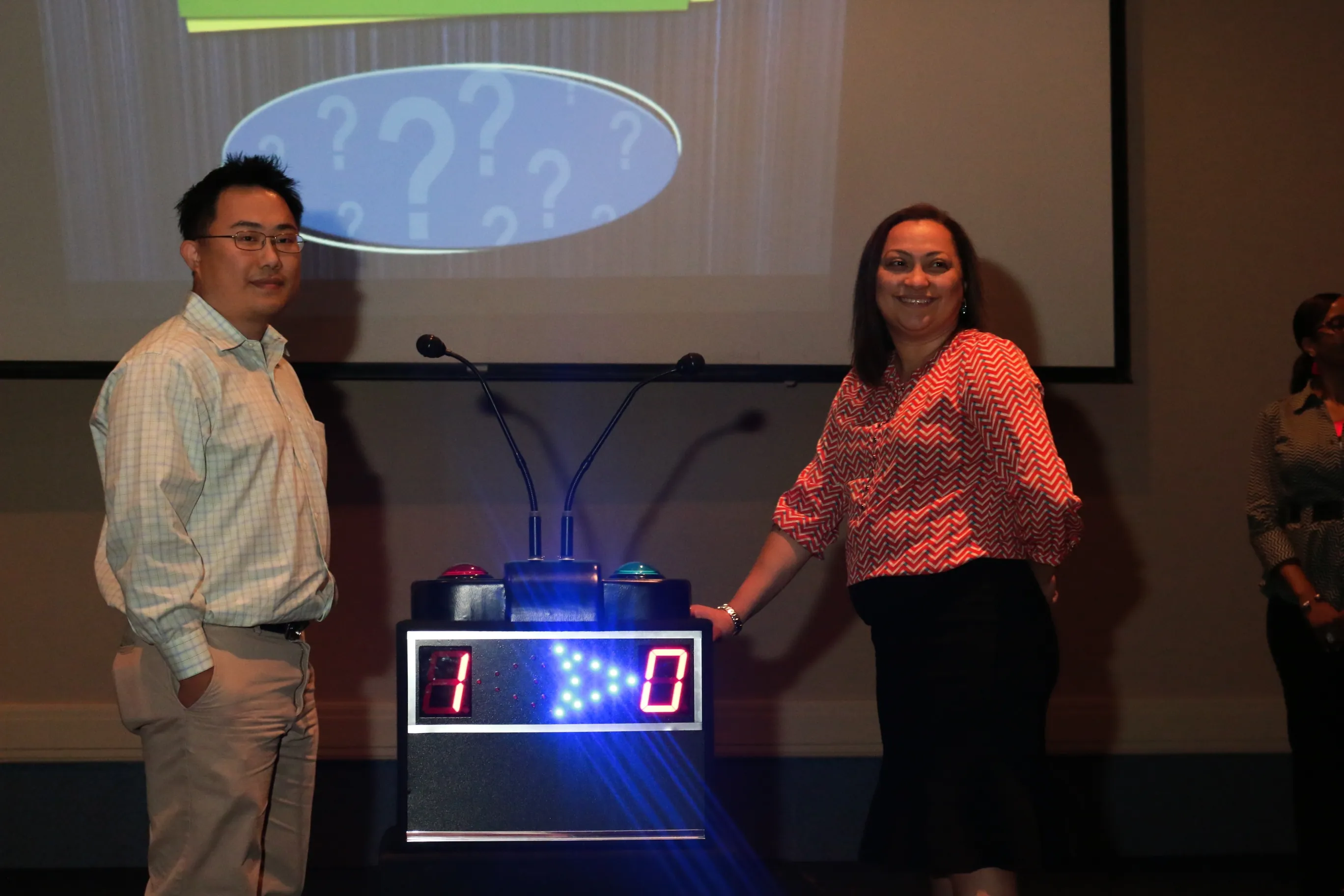
Hosted game shows are the cleanest version of a workplace play date. It’s PlayTyme Game Shows sends a professional emcee who runs custom trivia and interactive rounds built around your team. The format guarantees participation because the host calls on tables, tracks scores, and crowns a winner. Everyone plays, nobody hides.
Custom questions weave in your company milestones, product names, and inside jokes, so the experience feels personal rather than generic. The production handles sound, scoring, and prizes, which removes every logistical burden from the organizer. The result is a polished play date that leadership reads as a smart investment, not a time waster.
Planning a Play Date for Remote and Hybrid Teams
Hybrid schedules complicate spontaneous play, so plan the date on purpose. Pick a day when most of the team is together, or run an interactive format that works on video for fully remote groups. Send a calendar invite weeks ahead and protect the time the way you would a client meeting. When you treat play as a real priority, attendance follows.
For in-office or hybrid groups, a hosted game show fits a lunch hour or an end-of-day slot. The structure keeps it tight, usually 60 to 90 minutes, so it respects the calendar while still delivering the connection your team needs.
What Holds Workplace Play Initiatives Back
Several obstacles stop good intentions. Skeptical leaders question the return. Mixed personalities mean one approach rarely fits all. Tight schedules leave little room. And poorly run events confirm the skeptics’ fears, which makes the next one harder to sell.
Facilitated play addresses each. A professional host produces a tight, inclusive event that delivers visible morale gains, which builds the case for the next one. You skip the planning burden, the awkward silences, and the risk of a flop. Structure turns a gamble into a reliable win.
How to Bring Structured Play to Your Team
Decide what you want first: stress relief, stronger bonds, or a morale boost before a busy quarter. Then choose a format that guarantees participation rather than hoping for it. A hosted game show fits almost every goal because it engages the whole group at once. Book a date, protect the time, and let a professional run the room so you can enjoy it alongside your team.
Want to give your team a play date that actually lands? Get in touch for a free quote and tell us your group size. Browse our team building and corporate events options to find the right fit.
Frequently Asked Questions (FAQs)
Are play dates at work actually productive?
Yes. Structured play strengthens trust and communication, which carries directly into real projects. A BYU study tied playful workplace experiences to roughly a 20% productivity gain, and Gallup links engagement to higher profitability.
How are play dates different from a happy hour?
A happy hour is unstructured and excludes anyone who does not drink or socialize easily. A play date centers on a structured activity with rules and a goal, so every person participates from the start. That structure is what produces the team benefits.
Will introverts enjoy a workplace play date?
They will, when the event is facilitated. A professional host includes quieter members by design, calling on tables and balancing participation. Free-form fun favors extroverts, but structured play gives everyone an equal role.
Can play dates work for remote teams?
Yes. Interactive game show formats run on video and engage remote players through live scoring and host interaction. Schedule the date in advance and treat it like any other important meeting to protect attendance.