Planning team building activities for 50–100 people sounds simple until you’re responsible for keeping a full room engaged without awkward pauses or fading energy. At this size, activities designed for smaller teams often break down fast, and the margin for error is slim.
That’s why planning team-building activities for large groups requires a different approach. This isn’t about collecting ideas; it’s about choosing formats proven to work at scale, where everyone participates at the same time, and execution stays tight. Get it right, and the event is memorable. Get it wrong, and there’s no redo.
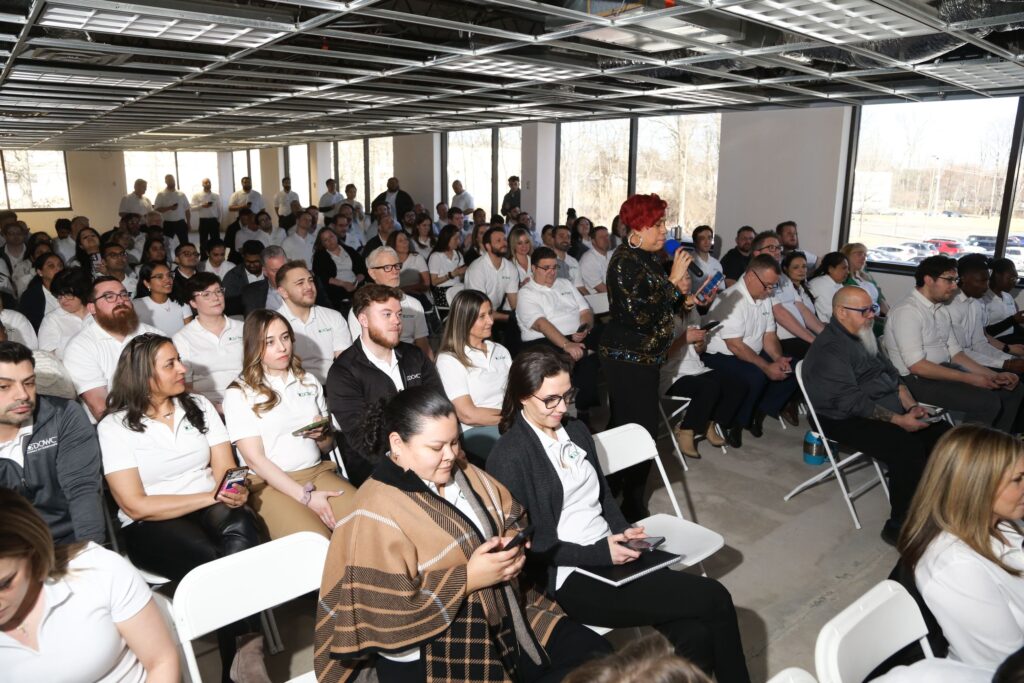
If you’re planning for 50–100 people and can’t afford trial and error, this guide walks through what actually works, what to avoid, and why professionally facilitated, game show–style experiences have become the safest choice for high-visibility corporate events.
Key Insights for Planning Team Building Activities for 50–100 People
- Activities designed for small teams rarely scale cleanly to 50–100 participants
- Simultaneous participation is essential to maintain energy and focus
- Clear structure and pacing matter more than novelty at this size
- Professional facilitation prevents confusion, downtime, and awkward moments
- Low-risk formats increase engagement across diverse teams
- Game show–style experiences offer the most reliable balance of energy, control, and ease
When the goal is meaningful engagement without chaos, the smartest choice is an experience designed to work at scale—so your team bonds, leadership stays comfortable, and the event delivers exactly what it’s meant to do.
What Makes Team Building Activities Work for Groups of 50–100?
Team building activities that succeed with 50–100 people aren’t accidental; they’re designed differently from the start. At this scale, the goal isn’t variety or novelty. It’s control, clarity, and collective energy.
The most effective experiences share a few non-negotiables.
Everyone Must Participate at the Same Time
One-to-many engagement is the foundation of any successful 50–100-person activity. When participation happens simultaneously, energy stays high, and distractions disappear.
Rotations, breakout stations, or waiting turns may work for smaller teams, but at this size, they create dead space—and dead space kills momentum. The best formats keep every person involved from the first minute to the last.
Structure Always Beats Spontaneity at Scale
Clear rules and fast pacing remove friction for participants and pressure from planners. When people understand exactly what to do and when to do it, they jump in confidently instead of holding back.
A defined run of show matters more than creativity here. Structure keeps the room moving, prevents confusion, and ensures the experience lands the way it’s supposed to.
Facilitation Is More Important Than the Activity Itself
With 50–100 people, the activity doesn’t run itself. Timing, transitions, and energy all need active management.
Strong facilitation keeps the group aligned, smooths out hiccups in real time, and maintains momentum. Without it, even a well-designed activity can quickly feel disorganized or uneven.
Low-Risk Experiences Drive Higher Engagement
Psychological safety is critical at this size. No forced vulnerability. No awkward spotlights. No moments where participants feel exposed or unprepared.
When people feel comfortable and supported, participation becomes natural. That’s when laughter, competition, and connection happen without resistance.
Team building activities that scale to 50–100 people succeed because they’re built for simultaneous engagement, clear structure, professional facilitation, and low social risk. That’s why scalable formats consistently outperform DIY exercises; they keep everyone involved, energized, and aligned from start to finish.
Book a Live Game Show!
[We bring the full game show setup to your location in NJ, NYC, or CT and run the show start-to-finish]
4 Mistakes HR Teams Make When Planning for 50–100 People
The biggest mistake HR teams make when planning team-building activities for 50–100 people is assuming that what works for small groups will scale up.
At this size, even a solid idea can fail if it isn’t designed for full-room engagement. The problem isn’t effort or intention—it’s underestimating how quickly energy, attention, and control can slip in a larger setting.
Here’s where things usually break down:
#1 – Choosing Activities Designed for Small Teams
- Icebreakers and breakout-style exercises don’t scale cleanly
- Too much waiting leads to disengagement
- Participation becomes uneven, and momentum fades
#2 – Relying on DIY Facilitation
- Internal staff are forced to manage logistics and energy
- Timing slips and transitions feel awkward
- HR becomes the referee instead of the planner
#3 – Underestimating Group Dynamics at Scale
- Side conversations multiply
- Instructions get lost in the room
- A few voices dominate while others check out
#4 – Overlooking Optics and Risk
- Leadership notices when energy drops
- Awkward moments feel bigger in a large group
- One misstep can define how the event is remembered
The solution isn’t adding more activities; it’s choosing certain formats built to engage everyone at once, maintain structure, and remove pressure from planners. At 50–100 people, success depends less on creativity and more on design and execution.
Why So Many Team Building Ideas Fail at This Size
Many popular team-building ideas are designed for small groups, where conversation flows easily, and logistics are simple. When those same activities are stretched to 50–100 people, cracks appear quickly. Rotations create long wait times, instructions get lost in the room, and participation becomes uneven. What felt interactive at a smaller scale turns passive for most of the group.
At this size, energy management and structure matter more than creativity. Without simultaneous participation, clear rules, and active facilitation, even well-intentioned activities can feel disorganized or awkward. The issue isn’t the idea itself; it’s that the format wasn’t built to handle the dynamics, optics, and expectations that come with a mid-size group.
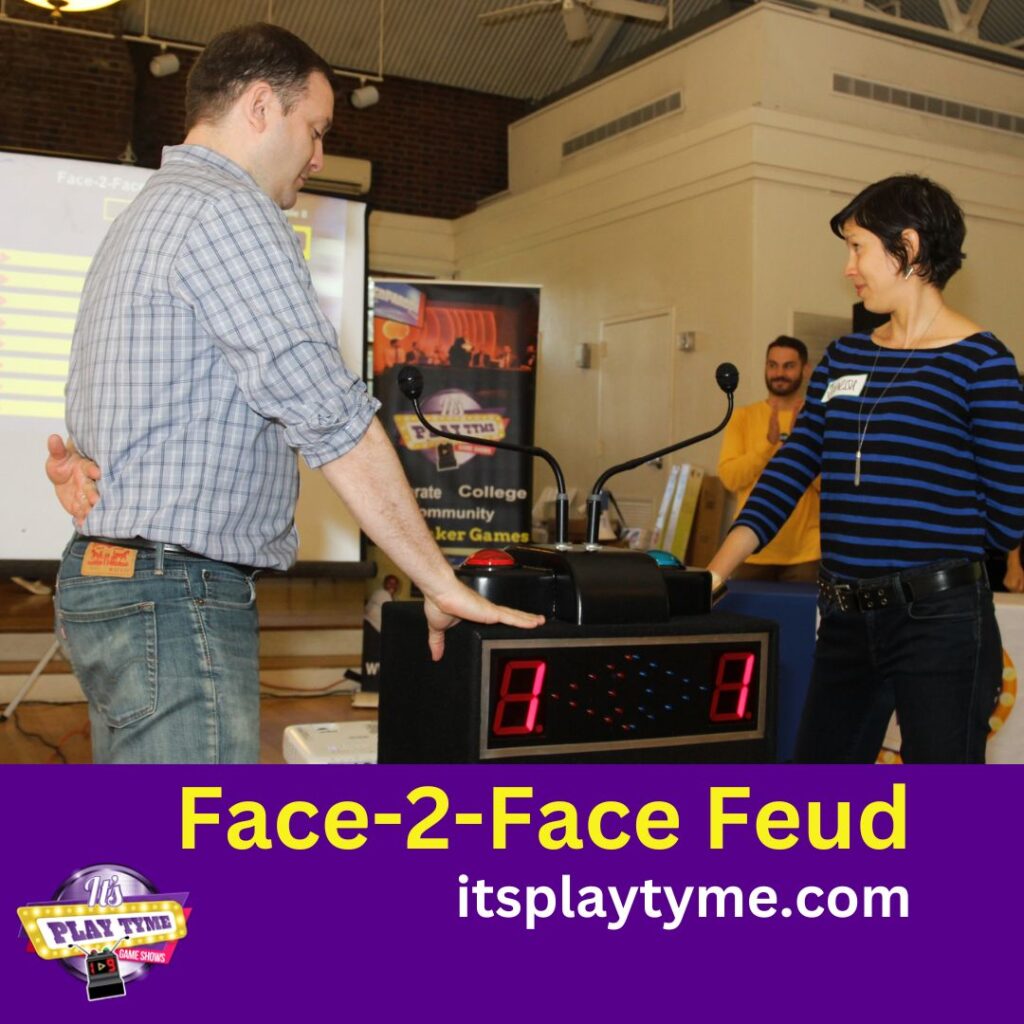
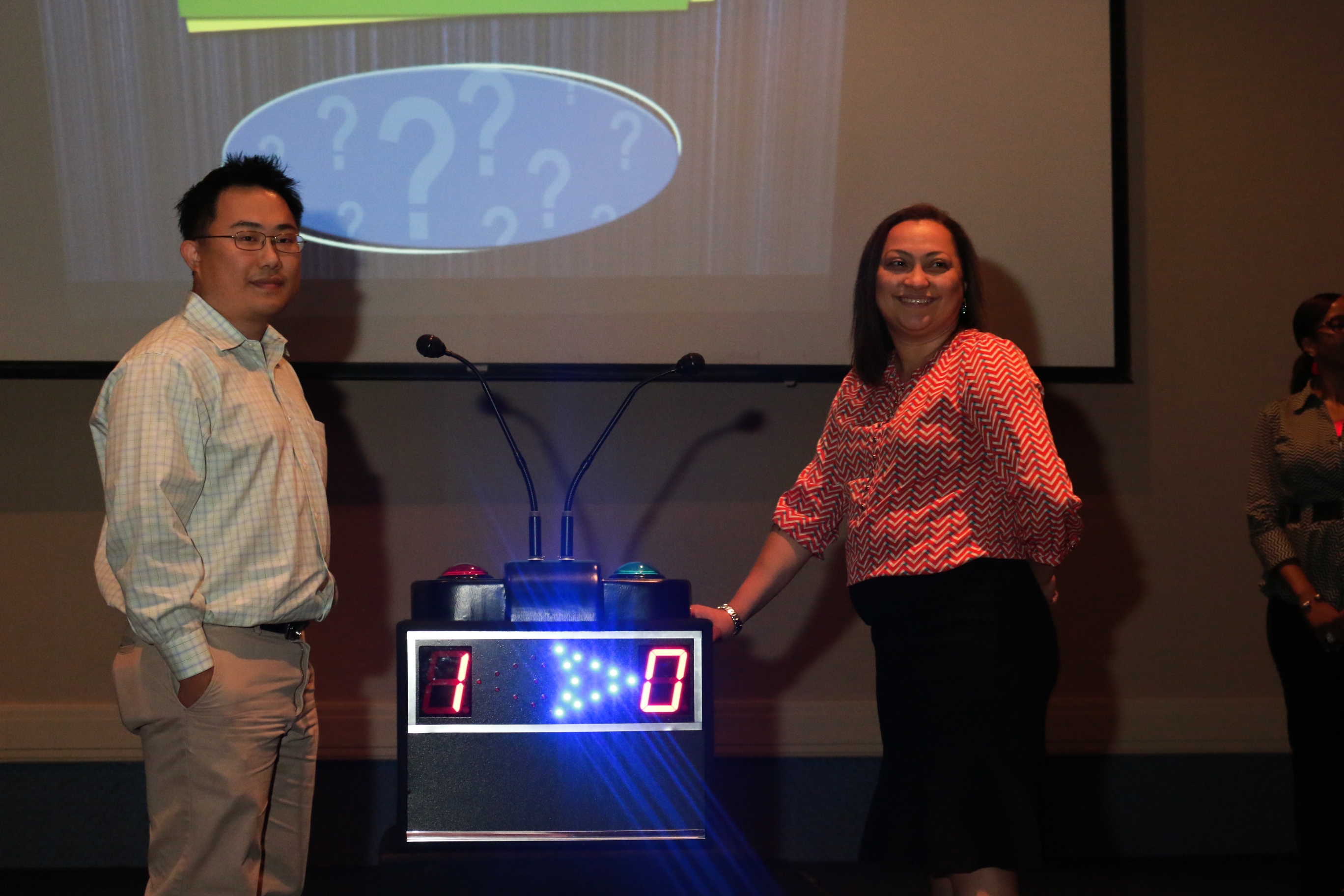
Face-2-Face Feud team game
Book a Live Game Show!
[We bring the full game show setup to your location in NJ, NYC, or CT and run the show start-to-finish]
Best Team Building Activity Formats for 50–100 People
When you’re planning team-building activities for 50–100 people, the format matters more than the individual activity. At this scale, success depends on whether everyone can participate at the same time, understand the rules quickly, and stay engaged without constant redirection.
The formats below consistently perform best for mid-size groups because they’re built for simultaneous engagement, clear structure, and controlled energy.
Team Building Formats That Scale Well for 50–100 People
| Activity Format | Why It Works for 50–100 People | Risk Level |
| Live Game Show–Style Activities | Everyone plays at once, clear rules, fast pacing, high energy, professionally facilitated | Low |
| Interactive Trivia & Quiz Competitions | Simultaneous participation, easy to follow, minimal setup, keeps attention focused | Low |
| Challenge-Based Group Games | Short rounds, visible progress, competitive momentum | Medium |
| Facilitated Icebreaker Games (Large-Group Versions) | Can work when redesigned for full-room participation | Medium |
| Physical Team Challenges | High energy but requires space, mobility considerations, and strong facilitation | Medium–High |
Live game show–style team building works so well for groups of 50–100 because the format solves the exact challenges that cause most events to fail. Familiar game mechanics remove confusion, teams compete simultaneously, and professional facilitation keeps timing and energy under control. For planners, this means high engagement without chaos—and an experience that feels polished, intentional, and easy to manage.

Find the Perfect Game Show for Your Team
Pick the Ideal Match for Your Team’s Unique Goals and Needs – Click Below
How to Plan a Stress-Free 50–100 Person Team Building Event
Planning team building activities for 50–100 people is less about adding activities and more about removing friction before it appears. At this size, stress doesn’t come from the group—it comes from unclear ownership, loose timing, and formats that need constant attention.
A smooth, stress-free event follows a simple framework that keeps engagement high and responsibility clear.
a) Choose a Format Built for Full-Room Engagement
If everyone isn’t participating at the same time, attention drops quickly. Formats designed for simultaneous play keep energy focused and prevent side conversations or disengagement. For more insights on boosting participation, you can check out 7 ways to boost team building.
b) Lock in a Clear Run of Show
Start time, transitions, pacing, and wrap-up should be planned, not improvised. A defined run of show keeps the event moving and eliminates uncertainty for both participants and planners.
c) Assign One Point of Control
One facilitator should manage timing, energy, and flow. When ownership is clear, HR isn’t forced to step in or troubleshoot issues mid-event.
d) Eliminate DIY Logistics
Tech, rules, transitions, and audience management should be handled end-to-end. The fewer planners are asked to manage behind the scenes, the smoother the experience feels in the room.
e) Design for Low Social Risk
Avoid forced spotlight moments, awkward pauses, or pressure on individuals. Low-risk participation encourages natural engagement across diverse teams.
When these elements are in place, planners stop micromanaging, leaders stay comfortable, and the entire group stays engaged. That’s why many organizations rely on professionally facilitated, game show–style experiences when planning team building activities for 50–100 people—so execution is handled behind the scenes, and results take center stage.
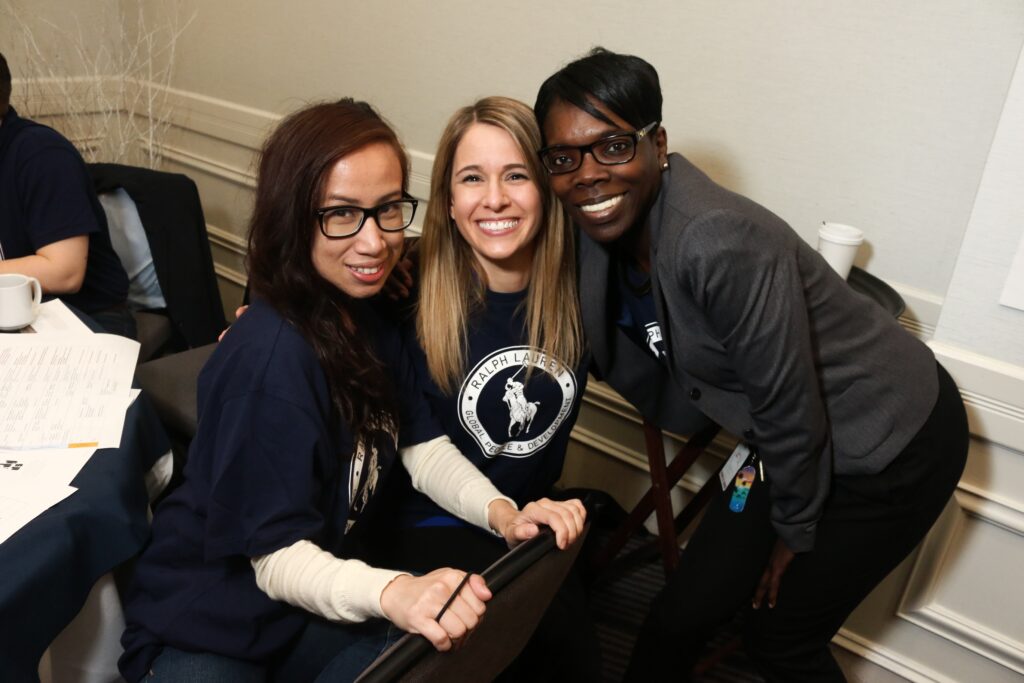
5 Case Studies – Team Building Activities That Worked for 50–100 People
When planning team building activities for 50–100 people, decision-makers want proof—not promises. These case studies highlight how structured, professionally facilitated formats delivered full-room engagement, smooth execution, and strong post-event feedback across well-known organizations.
PepsiCo – Cross-Department Engagement Without Downtime
A 75-person team event designed to reconnect departments that rarely collaborate. The experience kept everyone participating at the same time, eliminated long transitions, and created consistent energy across the room from start to finish.
MetLife – High-Visibility Team Building With Clean Optics
For a 90-person leadership and staff gathering, the priority was engagement without risk. The structured format allowed leaders and employees to participate comfortably while maintaining professional optics and momentum throughout the session.
Rutgers University – Large-Group Participation at Scale
An 80-person group needed an activity that could engage a diverse audience without singling people out. The format supported simultaneous participation, clear pacing, and strong alignment with the organization’s culture and goals.
American Express – Seamless Engagement for a Mid-Size Corporate Team
A 60-person corporate team required an experience that felt polished, efficient, and inclusive. The activity delivered fast-paced engagement without putting pressure on individuals, making it easy for participants to jump in and stay involved.
Volvo – Structured Team Building for a Growing Workforce
For a 100-person team gathering, the focus was on keeping energy high while avoiding chaos. A clear run of show, professional facilitation, and simultaneous play ensured the event stayed organized, engaging, and on brand.
Book a Live Game Show!
[We bring the full game show setup to your location in NJ, NYC, or CT and run the show start-to-finish]
Why Game Show–Style Team Building Works Best for 50–100 People
Game show–style team building works at this size because the format is built for scale, not improvisation. The rules are familiar, participation happens simultaneously, and the pacing is intentionally fast—keeping energy high without putting pressure on individuals.
More importantly, the experience is professionally facilitated from start to finish. Timing, transitions, and engagement are managed behind the scenes, so planners aren’t forced to step in and troubleshoot. The result is a high-energy, low-risk event that feels polished, keeps leadership comfortable, and delivers real engagement for every person in the room.

Measuring the Success of Your Team-Building Activities
To justify the investment in team-building activities, it’s crucial to measure their success. This involves setting clear objectives and evaluating the outcomes to understand the impact on the team and organization.
1 – Defining Success Metrics
Setting clear, measurable objectives before the team-building event creates a framework for evaluation. Goals typically fall into categories like communication improvement, relationship building, or skill development. Effective measurement begins with pre-event assessments that establish baselines for team dynamics, allowing for meaningful comparison after the activities are completed.
Quantitative metrics might include employee retention rates, project completion times, or reduction in workplace conflicts. Qualitative measures focus on team member perceptions and experiences. A combination of both provides a comprehensive understanding of the team activity’s impact.
| Metric Type | Examples | Benefits |
|---|---|---|
| Quantitative | Employee retention rates, project completion times | Provides numerical data for analysis |
| Qualitative | Team member perceptions, experiences | Offers insights into team dynamics and satisfaction |
2 – Collecting Feedback and Improving
Gathering feedback is a critical step in measuring the success of team-building activities. Surveys distributed immediately after the event should include both scaled questions and open-ended questions to capture a wide range of insights. For large groups, a structured feedback process can help synthesize key themes for organizational leadership.
Long-term measurement is also important, as the true impact of team building often emerges weeks or months later. Creating opportunities for teams to reflect on their experience during regular meetings helps reinforce learning and extends the benefits beyond the event itself.
Next Step – Designing a Team Building Event That Works at Scale
Planning a team-building event for 50–100 people isn’t the place to test ideas. At this size, success depends on choosing a format that’s already proven to work, one that protects engagement, optics, and execution from the start. The right solution removes stress instead of adding to it and keeps the entire group involved at the same time.
This next step is for HR leaders, executive assistants, and planners responsible for high-visibility events who need things to run smoothly. A short planning conversation helps lock in the right format, timing, and flow so the experience feels organized, professional, and easy to manage. When execution is handled end-to-end, you get the results—and the credit—without the hassle.
Conclusion: Designing a Team Building Event for 50–100 People
Team-building activities for 50–100 people require a different approach than small-group sessions. At this size, success isn’t about creativity or quantity; it’s about structure, scale, and execution. When engagement happens all at once, rules are clear, and facilitation is handled professionally, the entire experience feels intentional instead of improvised.
The most effective events remove pressure from planners, protect leadership optics, and keep every participant involved without awkward moments or downtime. That’s why scalable, game show–style formats consistently outperform DIY activities for mid-size groups. They deliver energy, connection, and results without adding stress to the planning process.
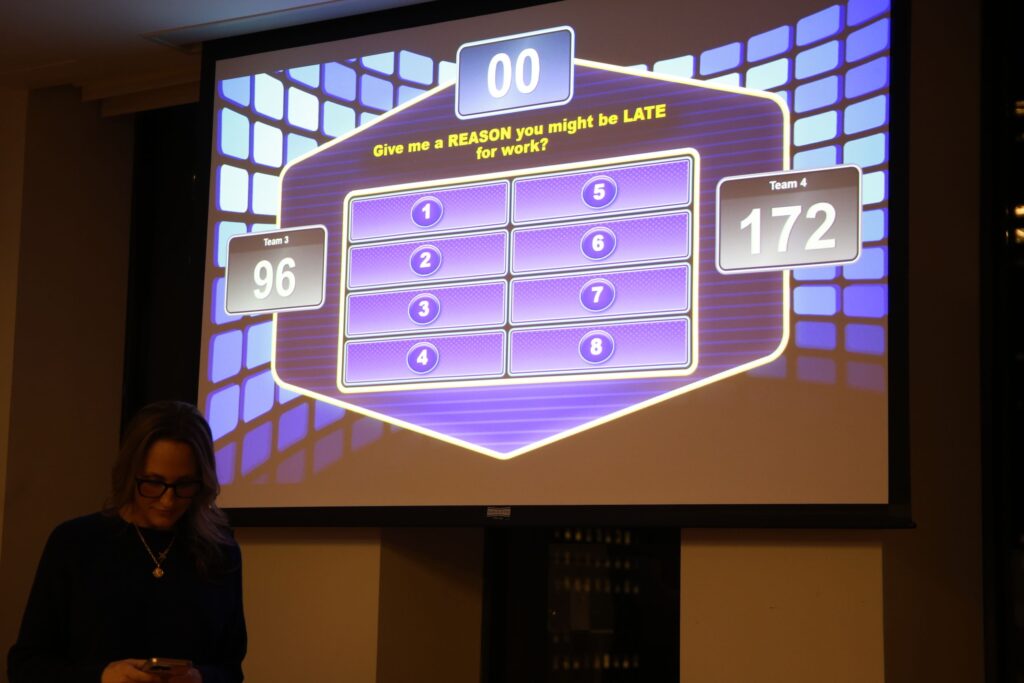
Feud work question, sudden death round
Creating a workplace where teamwork is the norm requires more than just occasional team-building events; it demands a consistent and intentional approach. Regular team-building activities for large groups signal that leadership values connection and communication as much as productivity and performance metrics.
The most successful organizations integrate team building into their regular operations, incorporating brief team exercises into weekly meetings or quarterly reviews. Rotating responsibility for planning team activities gives employees ownership of the process and ensures fresh ideas. Large organizations benefit from creating a dedicated committee to design team experiences that address specific organizational challenges.

FAQ – Planning Team Building Activities for 50–100 People (NJ, NYC, CT)
What team building activities work best for 50–100 people?
The best results come from planning formats that keep everyone participating at the same time, follow clear rules, and maintain fast pacing. Game show–style activities and interactive trivia work well because they create full-room engagement with low risk and minimal downtime.
Why do some popular team building ideas fail for 50–100 people?
Many ideas were built for small teams. When you plan them for 50–100, rotations create waiting, instructions get lost, and participation becomes uneven. At this size, structure and facilitation matter more than novelty.
What is the biggest mistake HR teams make when planning for 50–100 people?
The #1 mistake is planning activities that require turns, breakouts, or DIY facilitation. That setup creates friction, pulls HR into “room management,” and makes the event feel less polished than leadership expects.
How do you plan a stress-free team building event for 50–100 people?
Plan a clear run of show, choose a format designed for full-room participation, and assign one point of control to manage timing and energy. The less you rely on internal staff to troubleshoot logistics, the smoother the experience feels for everyone.
Why does game show–style team building work best for 50–100 people?
Game show–style formats are built for scale: familiar rules, simultaneous participation, and fast pacing. When professionally facilitated, timing and transitions are handled behind the scenes, so the event stays high-energy, low-risk, and leadership-friendly.
Can you bring a game show team building experience to our office in NJ, NYC, or CT?
Yes. If you’re planning for 50–100 people in New Jersey, New York City, or Connecticut, a mobile game show experience can be brought to your venue and run turnkey. It’s designed for planners who want full-room engagement without micromanaging logistics.
What’s the next step if we want this done-for-you?
The next step is a short planning call to confirm your headcount, space, timing, and goals—then the format is matched to your group so execution is handled end-to-end. Your team bonds, you take the credit, and the experience runs clean from start to finish.