Motivation is not a mystery, yet most workplaces struggle with it. Gallup reports that only about 20% of employees worldwide are engaged at work, which means the majority show up doing the minimum. That gap drains output, slows projects, and quietly raises turnover. The good news is that the techniques that fix it are practical and repeatable.
Recognition sits at the center of motivation. Gallup found that employees who receive regular recognition are far more productive and far less likely to leave. When people feel seen for their effort, they invest more of it. The strongest motivation strategies pair frequent recognition with shared experiences that make work feel rewarding.
Here is the challenge most managers face. Your team is capable, but energy dips after long stretches without a win. Raises help briefly, then fade. Generic perks go unused. You want motivation that lasts and that does not require a bigger budget every quarter. The fix is a system of recognition habits plus interactive team events that turn appreciation into a felt experience, not a line item.
The Fast Version
- Only 20% of employees worldwide are engaged at work; most show up doing the minimum.
- Regular recognition makes employees far more productive and far less likely to leave.
- Raises help briefly and then fade; generic perks often go unused.
- The strongest strategies pair frequent recognition with shared team experiences.
- Motivation is not a mystery; the techniques that fix disengagement are practical and repeatable.
Why Recognition Drives Motivation
People repeat behavior that gets noticed. When a manager names a specific win in front of the team, the recognized person feels valued and the rest of the group learns what good work looks like. That public, specific praise costs nothing and pays back in effort. Make it frequent, because recognition delivered once a year does little, while a weekly shout-out builds steady momentum.
Tie praise to concrete actions, not vague compliments. “Great job” fades. “You stayed late to fix the client report and saved the deadline” sticks. Specific recognition tells people exactly which effort to repeat.
Interactive Team Events as Motivation Tools
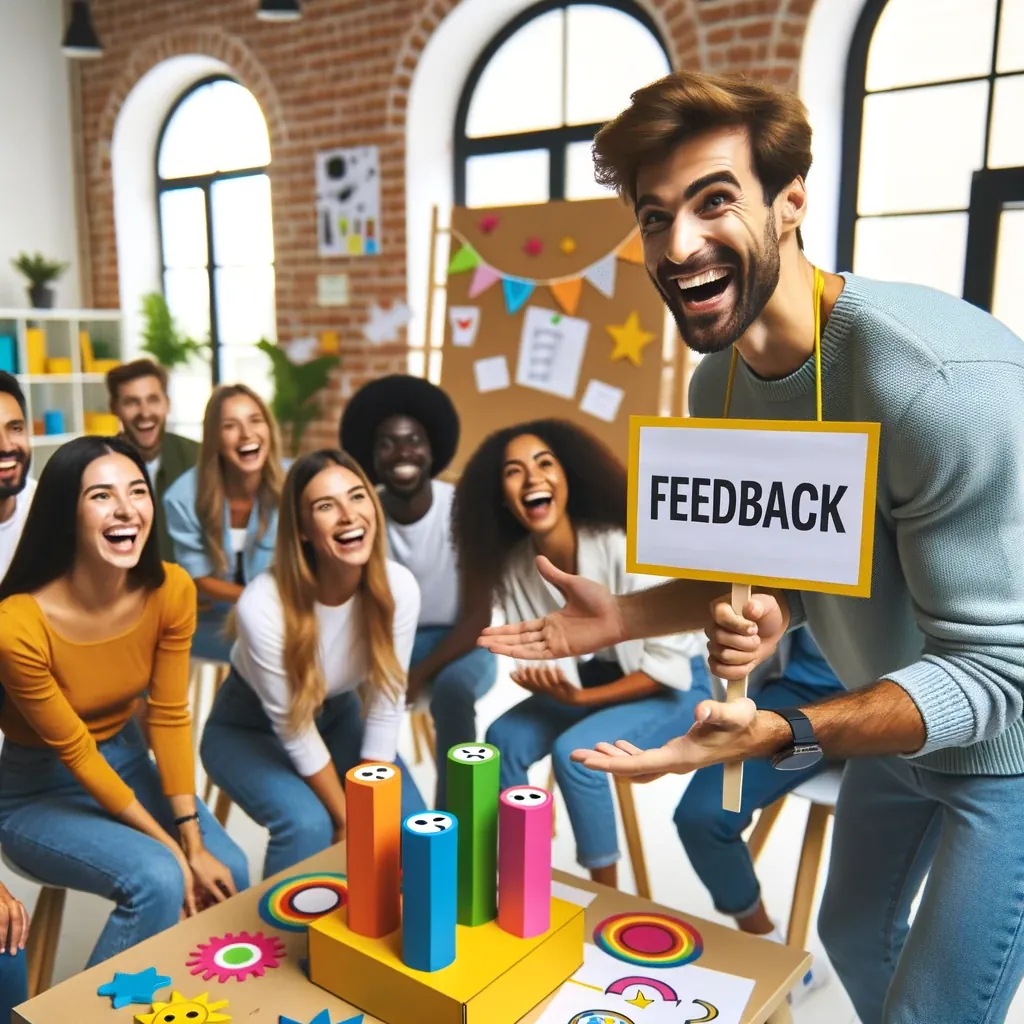
Recognition lands hardest when it comes with a shared experience. An interactive team event turns appreciation into a memory the whole group feels at once. A hosted game show is the clearest example. Picture the sales team facing the operations team in a Family Feud-style match, a professional host driving the energy, and the entire room laughing together. The event itself is a reward, and it resets motivation in a single session.
It’s PlayTyme Game Shows runs these events for companies across New Jersey, New York City, and Connecticut. A professional host manages the whole experience, so your team gets the motivation boost without planning a thing. Because the rounds rely on fun trivia, no department holds an edge, and everyone competes on equal footing. The shared laughter and inside jokes keep energy high long after the event ends.
- Reward built in: the event itself feels like a thank-you the whole team enjoys.
- Equal footing: trivia rounds let anyone win, which spreads the motivation evenly.
- Lasting lift: the memory fuels positive energy for weeks, not hours.
Goal Clarity and Autonomy
People stay motivated when they know the target and trust they have room to hit it their way. Set clear, specific goals, then step back and let your team own the path. Micromanagement signals distrust and kills drive. Autonomy signals respect and builds it.
Practical ways to build autonomy
- Define the outcome, not every step to reach it.
- Let team members choose how they tackle their tasks.
- Invite input on goals so people feel ownership.
- Remove blockers quickly so effort is never wasted.
Clarity plus freedom turns assignments into commitments. People work harder for goals they helped shape.
Growth, Progress, and Purpose
Motivation grows when people see themselves advancing. Offer skill-building, stretch assignments, and a clear path forward. Just as important, make progress visible. A simple board that tracks wins reminds the team that effort adds up. People who see momentum push to keep it going.
Connect the daily work to a larger purpose too. When staff understand how their tasks help customers or the company, routine work gains meaning. Purpose is a quiet but durable source of drive. Share customer wins and thank-you notes openly, so the team sees the human result of their effort. People who watch their work change someone’s day stay motivated through the hard stretches.
Why Motivation Programs Stall Without the Right Mix
Motivation efforts often stall for familiar reasons. Plan around them and your techniques deliver.
- Recognition that is rare or vague: annual, generic praise does little. Make it frequent and specific.
- Money as the only lever: raises fade fast. Pair pay with experiences and growth.
- One-off events: a single party fades by Monday. Build a rhythm of small wins and periodic events.
- Hybrid disconnect: remote staff feel overlooked. Choose formats that include screens and rooms at once.
- No measurement: without data, motivation feels guessy. Use short pulse surveys to track it.
Building a Motivation System That Lasts
Rhythm beats one-off pushes. Keep recognition rituals and progress tracking running every week. Hold a mid-size team activity each month. Run one larger interactive event each quarter, such as a hosted game show. This layered cadence keeps motivation visible all year without straining the budget.
Measure the effect with quick pulse surveys. Ask two questions: do you feel recognized for your work, and do you feel motivated this month. Rising scores confirm the system works. Flat scores tell you to adjust the recognition habits or the event format.
Where to Start When Team Motivation Has Stalled
Start with your team’s biggest gap. If energy is low and morale has dipped, an interactive event resets the mood fast. If people feel unseen, build frequent, specific recognition into every week. If turnover is rising, combine both, because recognition and shared experiences together protect retention.
Then weigh your bandwidth. If your team cannot spare time to plan an event, a professional host removes every logistics headache and guarantees the boost lands. Match the format to your group size and goals, then book a date before energy dips again.
Ready to turn appreciation into motivation your team actually feels? Explore our team building programs, then contact our team to plan an interactive event across New Jersey, New York City, or Connecticut. Motivated teams are built through repeated, shared wins.
Frequently Asked Questions (FAQs)
What are the most effective employee motivation techniques?
Frequent, specific recognition combined with interactive team events works best. Clear goals, autonomy, and visible progress add durable drive. A system of weekly habits plus quarterly events keeps motivation steady.
Do team events really motivate employees?
Yes. An interactive event like a hosted game show is a reward the whole team feels at once. It resets energy in a single session and leaves shared memories that fuel motivation for weeks. The equal-footing format spreads the lift across every department.
How often should I recognize my team?
Make recognition weekly, not annual, and always tie it to a specific action. A simple weekly shout-out round costs nothing and builds steady momentum. Frequent, concrete praise tells people exactly which effort to repeat.
Why is money not enough to motivate employees?
Raises lift motivation briefly, then fade as the new pay becomes normal. Lasting drive comes from feeling recognized, growing in your role, and enjoying shared wins. Pair fair pay with recognition and experiences for durable results.
How do I measure employee motivation?
Run a short pulse survey with two questions: do you feel recognized, and do you feel motivated this month. Rising scores confirm your techniques work. Flat scores signal a need to adjust your recognition habits or event format.