
Culture is not a slogan on a wall, and most teams feel the gap every day. Only about 23 percent of employees worldwide are engaged at work, according to Gallup’s State of the Global Workplace report. That disengagement is expensive, and it shows up in quiet meetings, missed handoffs, and people who clock out mentally long before they clock out physically.
The cost is real and measurable. Gallup also reports that highly engaged teams drive stronger profitability and lower turnover, a pattern documented in its research on how engagement drives business growth. Strong culture is the engine behind those numbers, and it is built through what people actually do together, not what leadership says they value.
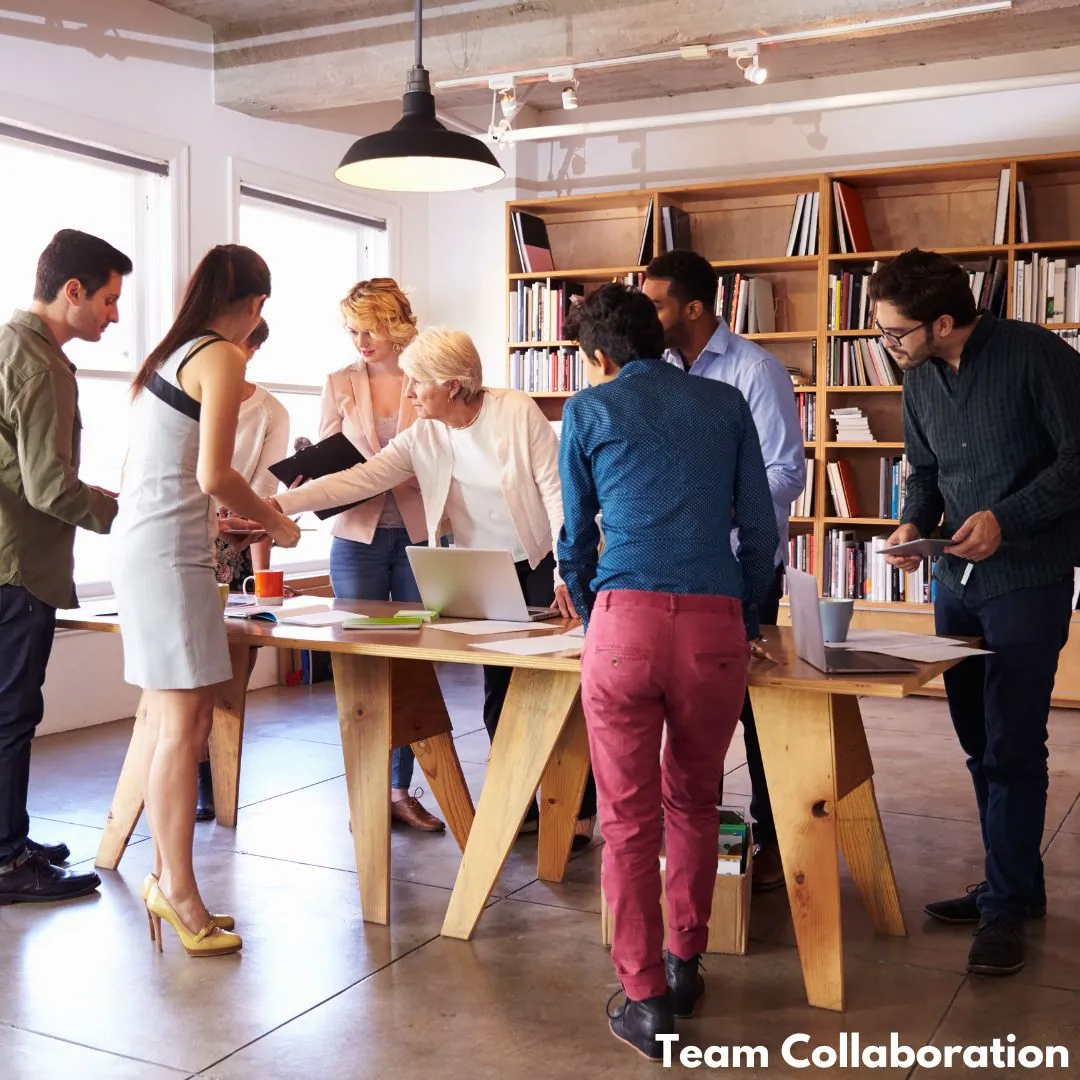
If you manage a team in New Jersey, New York City, or Connecticut, you already know the hard parts. People work across hybrid schedules and rarely share unstructured time. New hires struggle to feel connected. Cross-department trust is thin, and the same handful of voices dominate every conversation. These are the concrete obstacles that block culture from forming, and none of them get solved by another all-hands email.
This guide takes an activity-driven view of workplace culture building. The idea is simple: culture forms in shared experiences, so the fastest way to shape it is to design better shared experiences on purpose.
What You Need to Know
- Only 23 percent of employees worldwide are engaged, and disengagement shows up in quiet meetings and missed handoffs.
- Gallup documents that highly engaged teams drive stronger profitability and significantly lower turnover.
- Strong culture is built through what people actually do together, not what leadership says it values.
- Hybrid schedules, packed calendars, and no unstructured time are the specific obstacles these activities target.
Why Activities Shape Culture Faster Than Policy
Policies tell people what to do. Activities show people who you are together. When a team solves a problem, competes, or laughs in the same room, they build trust through repeated positive contact. That trust becomes the foundation for honest feedback, faster collaboration, and a shared sense of belonging.
Shared activities create memories that people reference for months. A manager can repeat a values statement a hundred times with little effect. One memorable team game show, where colleagues cheer for each other and discover hidden talents, does more for connection than a quarter of meetings. The experience becomes a reference point, a shorthand for “this is how we treat each other here.”
The Building Blocks of an Activity-Driven Culture
Strong culture rests on a few repeatable ingredients. Each one is something you can design into a team event rather than hope for.
- Psychological safety: people speak up without fear, which starts in low-stakes, playful settings.
- Shared identity: inside jokes, traditions, and team names that signal belonging.
- Cross-functional contact: structured reasons for departments to mix and learn each other’s names.
- Recognition: visible moments where individual contributions get celebrated in front of peers.
- Rhythm: a predictable cadence of gatherings so connection compounds over time.
Activity Formats That Build Culture on Purpose
Not every activity earns the same return. The strongest formats demand participation from everyone, balance competition with collaboration, and give quieter team members a real path to shine.
Interactive game shows
A live, hosted game show pulls an entire room into a single shared experience. Teams compete in mixed groups, every person contributes, and the energy spreads fast. The format works because it removes hierarchy for an hour and lets people connect as equals. This is the core of what It’s PlayTyme Game Shows delivers for companies across NJ, NYC, and Connecticut: professional hosts, custom rounds, and formats designed to include the whole team rather than a few extroverts.
Themed team challenges
Problem-solving challenges put people in small groups with a shared goal and a time limit. The pressure is friendly, and the payoff is collaboration under mild stress, which is exactly the muscle teams need at work.
Skill and talent showcases
Formats that surface hidden talents, trivia depth, or quick thinking let people see each other in a new light. That shift in perception is where respect and curiosity grow.
Why Forced Fun Damages Team Culture
Teams that try to build culture run into the same obstacles, and naming them makes them easier to solve.
- Forced fun backfires: activities that feel mandatory and awkward damage trust instead of building it. The fix is professional facilitation that reads the room and keeps energy high.
- Uneven participation: a few people dominate while others hide. Structured, team-based formats distribute participation by design.
- Hybrid and distributed teams: remote schedules limit organic contact. A planned in-person event becomes the anchor that makes connection deliberate.
- No follow-through: a single event fades without a rhythm. Culture work needs a calendar, not a one-off.
- Measuring the wrong things: teams count attendance instead of connection. Watch for cross-team conversations, new collaborations, and energy that lasts past the event.
How to Run a Culture-Building Event That Sticks
A great event follows a clear arc. Use this sequence to get lasting value from any team gathering.
- Set a goal: decide whether you want to welcome new hires, mix departments, or boost morale after a hard quarter.
- Mix the teams: group people across functions and seniority so new connections form.
- Use a professional host: a skilled facilitator keeps pace, includes everyone, and prevents awkward lulls.
- Celebrate publicly: recognize winners and standout moments in front of the group.
- Capture the moment: photos, team names, and inside jokes give people something to carry forward.
- Reinforce after: share highlights and reference the experience in future meetings.
Measuring Whether Your Culture Work Is Paying Off
Culture shows up in behavior long before it shows up in surveys. Watch for early signals after an activity-driven program: people greeting colleagues from other departments by name, faster responses on cross-team requests, and more volunteers for the next event. Over a longer horizon, track retention, internal referrals, and engagement scores. Activities are the input, and these behaviors are the output that proves the input worked.
Why Game Shows Outperform Passive Team Events
Passive events, where people watch a performer or sit through a dinner, produce pleasant evenings and little connection. Active formats produce shared stories. A hosted game show turns coworkers into teammates for an hour, gives everyone a role, and creates the kind of repeated positive contact that culture is made of. The difference is participation, and participation is the whole point.
For teams in the tri-state area, professional facilitation removes the risk that culture events fall flat. Trained hosts, tested formats, and inclusive rounds mean the energy lands every time, whether the group is twenty people or two hundred.
Ready to Build Culture Your Team Will Talk About
Strong culture is a choice you make through the experiences you design. Start with one well-run event, build a rhythm, and watch connection compound across your organization. To plan an activity-driven program for your NJ, NYC, or Connecticut team, visit /contact and tell us your goals. Explore tailored options for your next corporate event or a dedicated team building program built around participation, recognition, and shared fun.
Frequently Asked Questions (FAQs)
How often should we run team culture activities?
A predictable rhythm works better than a single large event. Many teams run a marquee activity each quarter with smaller touchpoints in between. Consistency lets connection compound instead of fading after one gathering.
Do culture activities work for hybrid and remote teams?
Yes, and they matter even more for distributed teams. Planned in-person events become the anchor that replaces lost organic contact. A well-hosted gathering gives hybrid teams the shared memories they rarely get otherwise.
Why are game shows effective for culture building?
Game shows demand participation from everyone and remove hierarchy for the session. They mix departments, surface hidden talents, and create stories people reference for months. That repeated positive contact is the raw material of culture.
How do we measure the impact of culture activities?
Watch behavior first: cross-team conversations, faster collaboration, and volunteers for the next event. Over time, track retention, internal referrals, and engagement scores. Activities are the input, and these behaviors prove the payoff.