
Employee stress costs companies more than most leaders realize. According to the American Psychological Association’s 2023 Work in America Survey, 57% of workers reported negative impacts from work-related stress, including lack of motivation, reduced effort, and a desire to quit. Meanwhile, Gallup’s 2026 State of the Global Workplace report found that low employee engagement costs the global economy $10 trillion annually, roughly 9% of global GDP.
Onsite wellness activities for employees address both problems at once. They bring stress relief, physical movement, and genuine social connection directly into the workplace, where people spend most of their waking hours. When wellness happens at work (not as a distant benefit employees rarely use), participation rates climb and the results show up in morale, retention, and productivity.
But most HR teams hit the same wall: tight budgets, low participation in existing programs, skepticism from leadership about ROI, and the sheer difficulty of finding activities that appeal to a diverse workforce. A lunchtime yoga class sounds great until only four people show up. A step-count challenge works for some departments but alienates others. The gap between “having a wellness program” and “running onsite wellness activities employees actually enjoy” is wider than it looks.
Why Onsite Activities Outperform Off-Site Wellness Perks
Gym memberships, meditation app subscriptions, and wellness stipends all share one flaw: they rely on employees to act on their own time. Usage rates for these perks consistently fall below expectations. Onsite wellness activities remove that friction entirely. The activity comes to the employee, fits within the workday, and happens in a group setting that adds social accountability.
Onsite programs also send a visible signal. When a company brings a wellness activity into the office, it communicates that employee health is a priority during work hours, not an afterthought outsourced to a benefits portal. That signal matters for culture. Employees who see their employer investing real time and space in wellness report higher job satisfaction and stronger loyalty to their organization.
There is also a practical advantage: onsite activities serve the entire team at once. Remote perks are individual. A group stretching session, a team cooking demo, or a live game show brings people together across departments, building the kind of informal relationships that make collaboration easier long after the event ends.
Why So Many Workplace Wellness Programs Stall
Running onsite wellness activities for employees is not as simple as booking a conference room and ordering resistance bands. Organizations face real obstacles that explain why many programs stall or fail.
- Low participation: Employees skip activities they find boring, intimidating, or irrelevant. A program designed around one definition of wellness (usually fitness) alienates people who do not identify as “athletic.”
- Budget constraints: Wellness spending competes with every other HR initiative. Leaders want proof that the investment produces measurable outcomes before approving recurring costs.
- Scheduling conflicts: Finding a time slot that works across shifts, departments, and meeting schedules is a logistical headache. Mandatory attendance breeds resentment; optional attendance produces empty rooms.
- Variety fatigue: Repeating the same activity every month (meditation Monday, fruit basket Friday) leads to declining interest. Employees want novelty, but planning fresh programming takes time most wellness coordinators do not have.
- Measuring impact: Proving ROI on wellness is difficult. Reduced absenteeism and higher engagement scores take months to materialize, and attributing those gains to a specific activity is imprecise.
The solution is not to abandon onsite wellness. It is to mix activity types, alternate between self-directed and facilitated formats, and bring in outside partners for the events that require professional production.
Quick In-Office Wellness Activities Any Team Runs Today
Not every wellness activity requires a vendor or a large budget. Some of the most effective onsite options cost nothing and take under 30 minutes.
Desk Stretching and Guided Breathing
A 10-minute guided stretch session at 2:00 PM fights the afternoon energy dip better than coffee. One team member leads a set of seated stretches and a 60-second breathing exercise. No equipment needed. Rotate the leader each week to keep it fresh and give employees a low-pressure facilitation opportunity.
Walking Meetings
Replace one sit-down meeting per week with a walking meeting. Research consistently shows that walking improves creative thinking. Walking meetings work best for brainstorming sessions, one-on-ones, and status updates (skip them for anything requiring a screen share).
Gratitude and Recognition Boards
Place a physical or digital board in a common area where employees write short notes recognizing a colleague. This takes five minutes to set up and costs almost nothing, but it directly supports emotional wellness by strengthening workplace relationships and making people feel seen.
Structured Onsite Wellness Events That Drive Real Engagement
Quick activities build daily habits. Structured events create memorable experiences that shift how employees feel about their workplace. The difference between a stretch break and a professionally facilitated team event is the difference between maintenance and transformation.
It’s PlayTyme Game Shows runs live, interactive game show experiences directly at corporate offices across New Jersey, New York City, and Connecticut. These are fully produced events with professional hosts, custom trivia, music, lighting, and team-based competition designed to get every person in the room engaged, not just the extroverts.
Why does a game show qualify as a wellness activity? Because wellness is not limited to yoga mats and smoothies. Laughter reduces cortisol. Social connection buffers against burnout. Friendly competition produces dopamine. A 60 to 90 minute It’s PlayTyme event delivers all three in a format that requires zero athletic ability and zero preparation from participants. Employees walk in, play, laugh, bond, and walk out with energy they did not have before.
The structured format also solves the participation problem. Game shows are inclusive by design. Trivia, word puzzles, and team challenges appeal across ages, fitness levels, and personality types. Participation rates for game show events consistently outperform traditional wellness programming because the activity feels like a reward, not an obligation.
Movement and Fitness Activities for the Office
For teams that want a physical component, several onsite fitness options work in standard office spaces without specialized equipment.
- Chair yoga: A certified instructor leads a 30-minute session using only office chairs. Excellent for posture correction and stress relief. Works in conference rooms.
- Step challenges: Month-long team step competitions using phone pedometers. Post a leaderboard in the break room. Reward the winning team with a group lunch or extra PTO hours.
- Dance breaks: A five-minute playlist at 3:00 PM with permission to stand and move. It sounds silly. It works. The key is leadership participation: when a manager dances, everyone dances.
- Onsite fitness classes: Hire a trainer for a weekly 30-minute session (bodyweight circuits, resistance bands, or stretching). Rotate between strength, flexibility, and cardio themes monthly.
The rule for fitness-based wellness activities is the same across the board: make them optional, offer modifications, and never shame non-participants. The goal is to invite movement, not mandate it.
Mental Health and Stress Relief Activities
Physical activity covers one dimension of wellness. Mental health deserves equal attention in any onsite program.
Mindfulness Sessions
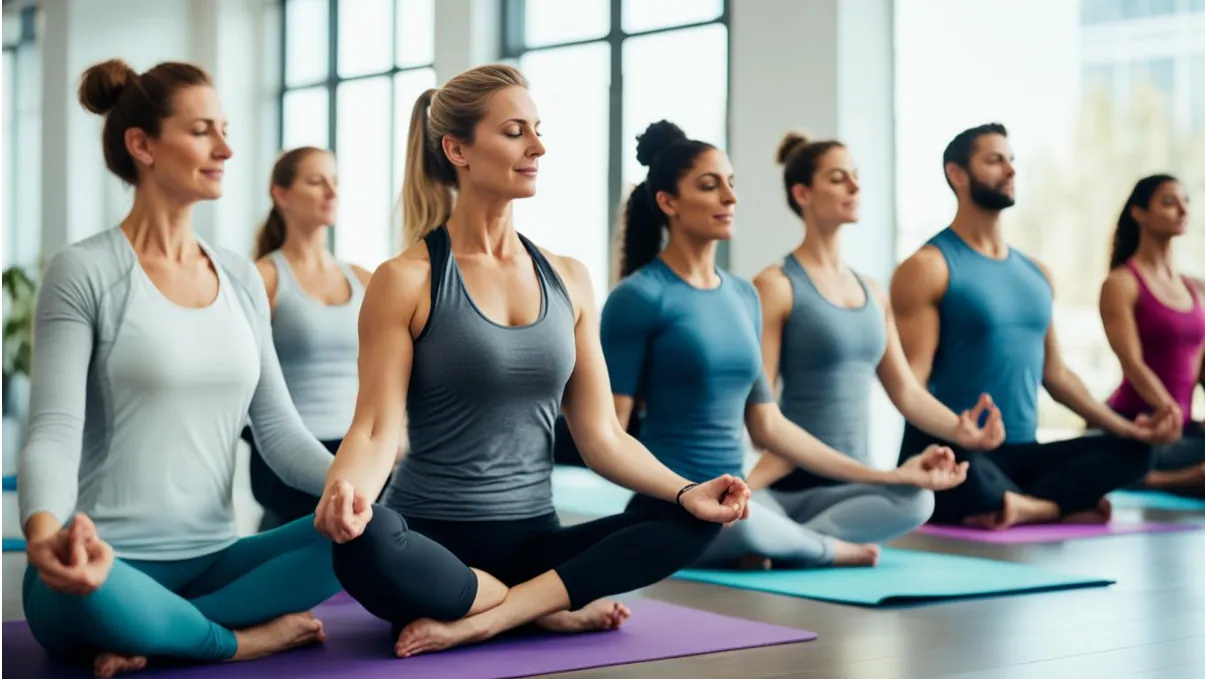
A weekly 15-minute guided meditation session, held in a quiet room with the lights dimmed, gives employees a structured opportunity to decompress. Apps like Calm or Headspace offer guided sessions, or bring in a local meditation teacher once a month for a live experience.
Journaling Prompts
Distribute a weekly journaling prompt via email or Slack. Topics like “What gave you energy this week?” or “Name one boundary you want to set next week” encourage self-reflection without requiring group vulnerability. Provide physical journals as a low-cost perk.
Lunch-and-Learn Mental Health Talks
Invite a licensed therapist or counselor to speak on topics like managing workplace anxiety, setting boundaries, or recognizing burnout. These talks normalize conversations about mental health and connect employees to resources they did not know existed.
Social Connection Activities That Double as Wellness
Loneliness at work is a wellness issue that rarely appears on program agendas. Employees who feel isolated disengage faster and report lower overall wellbeing. Social activities address this directly.
| Activity Type | Time Needed | Group Size | Wellness Benefit | Setup Effort |
|---|---|---|---|---|
| Desk Stretching | 10 min | Any | Physical, stress relief | None |
| Walking Meetings | 20-30 min | 2-4 | Physical, creativity | None |
| Game Show Event (It’s PlayTyme) | 60-90 min | 20-300+ | Social, laughter, stress relief | Handled by vendor |
| Chair Yoga | 30 min | 10-30 | Physical, mental | Hire instructor |
| Guided Meditation | 15 min | Any | Mental, stress relief | Minimal |
| Team Cooking Demo | 45-60 min | 8-20 | Social, nutrition | Moderate |
| Gratitude Board | 5 min/day | Any | Emotional, social | None |
Team lunches, coffee roulette programs (random pairings for a 20-minute coffee chat), and group volunteer outings all build social bonds while supporting emotional wellness. The key is consistency. A one-time team lunch is a nice gesture. A monthly team lunch is a wellness strategy.
Game show events stand out in this category because they combine social connection with active engagement. Unlike a team dinner where introverts sit quietly, a well-facilitated game show structures interaction so everyone participates naturally. It’s PlayTyme’s format uses team-based rounds that require collaboration, making connection a built-in outcome rather than something employees have to initiate on their own.
Building an Onsite Wellness Calendar That Lasts
One-off events generate excitement. Sustained programs generate results. The most effective approach combines daily micro-activities, weekly group sessions, and monthly or quarterly signature events.
A practical monthly framework looks like this:
- Daily: Encourage walking meetings and desk stretches (no budget, no coordination required).
- Weekly: Rotate between a guided meditation session, a fitness class, and a social activity like coffee roulette.
- Monthly: Host one larger event: a lunch-and-learn, a cooking demo, or a professional team experience.
- Quarterly: Bring in an outside partner for a high-energy signature event. This is where a professionally produced game show or team-building experience makes the biggest impact. It breaks routine, rewards employees, and re-energizes the entire wellness program.
Survey employees every quarter to learn what they liked, what they skipped, and what they want next. Adjust the calendar based on real feedback, not assumptions. The programs that last are the ones employees help shape.
Choosing Wellness Activities That Actually Fit Your Workforce
Start with your workforce, not a trend list. A warehouse team with physical jobs needs different wellness support than a desk-bound software team. Survey employees about their interests, preferred time slots, and barriers to participation before building your program.
Balance activity types across the physical, mental, social, and emotional dimensions of wellness. A program built entirely around fitness excludes employees who need stress management or social connection more than exercise. Variety in format (self-directed, group, facilitated) ensures something resonates with every personality type.
For signature events, invest in professional facilitation. The difference between a DIY office trivia game and a professionally hosted experience is enormous. Production quality signals that the company takes wellness seriously. High-energy events from providers like It’s PlayTyme create the kind of shared memories that strengthen team cohesion for months after the event.
Track participation rates, post-event feedback scores, and quarterly engagement survey trends. These numbers give you the evidence to defend and expand your wellness budget over time.
Ready to add a high-energy wellness event to your onsite calendar? Contact It’s PlayTyme Game Shows to book a live game show experience for your team in New Jersey, NYC, or Connecticut. Browse all team-building activities to find the right fit for your next event.
Frequently Asked Questions (FAQs)
What are the best onsite wellness activities for large groups?
Live game show events, group fitness classes, and team-based challenges work well for groups of 20 or more. Game shows are especially effective because they scale to hundreds of participants while keeping everyone actively engaged through team-based rounds and interactive competition.
How often should companies run onsite wellness activities?
Daily micro-activities (stretches, walking meetings) combined with weekly group sessions and one larger monthly event produce the strongest results. Quarterly signature events from outside providers keep the program fresh and give employees something to look forward to.
Do onsite wellness programs reduce employee turnover?
Yes. Employees who feel their company genuinely invests in their wellbeing are significantly more likely to stay. Onsite programs are particularly effective because they demonstrate commitment during the workday, not as an off-hours perk employees rarely use.
How do you get employees to participate in wellness activities?
Offer variety across physical, mental, and social categories so every employee finds something appealing. Schedule activities during work hours, make them optional, and start with high-energy events that build excitement. Leadership participation is the single biggest driver of employee attendance.
What is the cost of onsite wellness activities for employees?
Costs range from zero (walking meetings, desk stretches, gratitude boards) to a few hundred dollars per session (yoga instructors, meditation teachers) to professional event pricing for fully produced experiences like game shows. Most companies build a mix of free daily activities and budgeted monthly or quarterly events.