

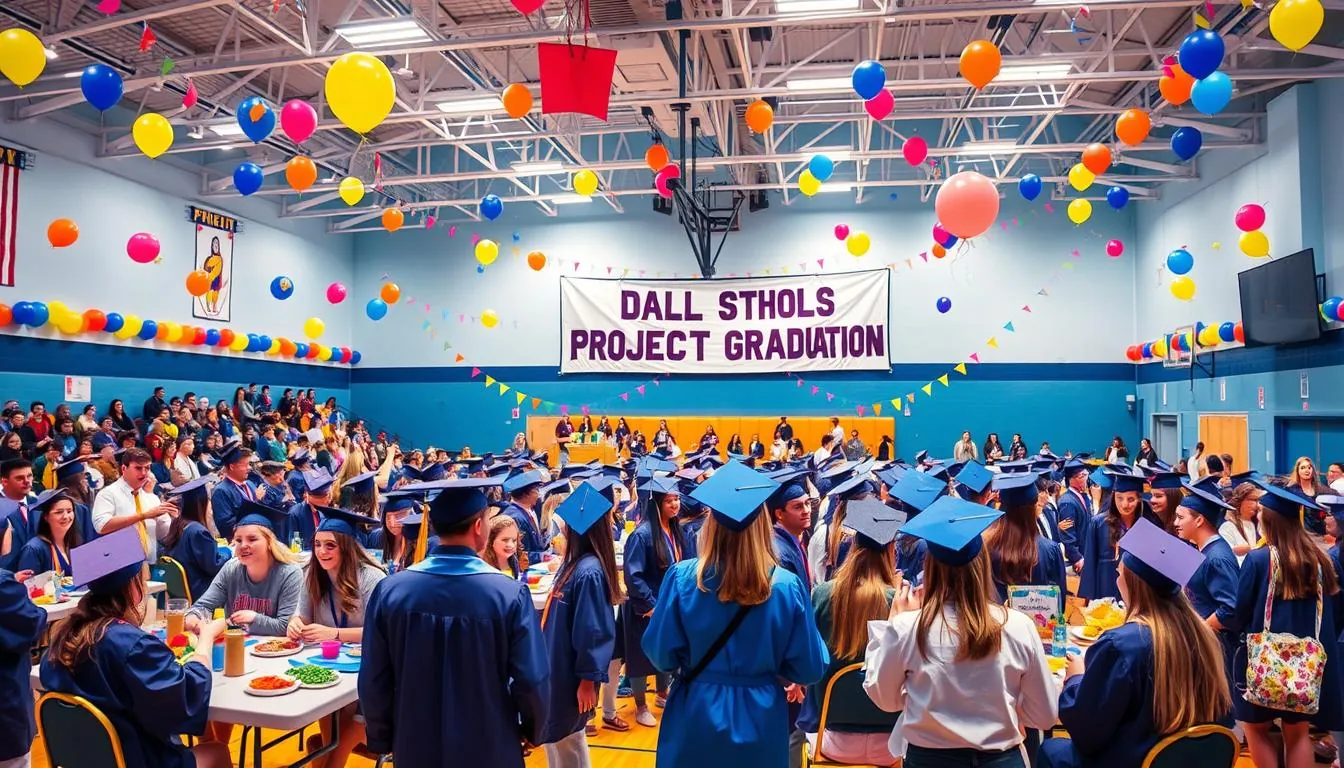

Project Graduation exists for one reason: to give seniors a safe, sober, supervised place to celebrate on one of the riskiest nights of the year. The stakes are real. The National Highway Traffic Safety Administration reports that teen drivers face their highest crash risk during the spring and summer months that bracket graduation. The Centers for Disease Control and Prevention adds that motor vehicle crashes remain a leading cause of death for teenagers in the United States.
A great celebration costs money, and parent committees rarely start with a budget. That is where smart fundraising comes in. The right mix of events covers the venue, the food, the prizes, and the entertainment that keeps students engaged until sunrise. This guide ranks ideas by realistic return, starting with the highest-ROI option for committees in New Jersey, New York City, and Connecticut.
If you sit on a Project Graduation committee, you already feel the squeeze. Volunteer hours are limited, families are tapped out by spring, and you compete with a dozen other school fundraisers for the same dollars. You do not need another generic bake-sale list. You need fundraisers that bring in real money without burning out your team.
Start With the Highest-ROI Fundraiser: A Game Show Ticket Night
The single best fundraiser doubles as a community event: a ticketed game show night. Sell tickets to families, alumni, and local businesses, fill a gym or banquet hall, and let a professional host run an evening of trivia and friendly competition. The format draws a crowd because it entertains every age at once, from freshmen to grandparents.
A hosted game show night from It’s PlayTyme Game Shows turns a fundraiser into the highlight of the spring calendar. You sell tickets, run a concession stand, add a 50/50 raffle at intermission, and stack several revenue streams into one night. A mid-sized event of 150 to 300 guests routinely raises 3,000 to 8,000 dollars after costs, far more than a typical car wash or bake sale.
The math works because every guest spends in more than one way. A family of four buys four tickets, snacks at the concession table, and raffle entries at intermission. Add a sponsor banner along the wall and a silent auction in the lobby, and a single evening pulls in revenue that smaller fundraisers take months to match. The event also builds the community goodwill that makes next year’s outreach easier.
Layer in Supporting Fundraisers
One event rarely funds an entire celebration. The strongest committees stack three or four fundraisers across the school year, each with a clear target. Below are the most reliable supporting ideas with realistic dollar ranges.
Raffles and 50/50 Drawings
Raffles deliver high margins because donated prizes cost you nothing. Sell tickets for a vacation package, a smart TV, or a basket of local goods. A well-run raffle brings in 1,000 to 4,000 dollars, and a 50/50 drawing at any large event adds several hundred more.
Local Business Sponsorships
Sponsorships are the most overlooked source of fast money. Offer tiered packages with logo placement on banners, programs, and social posts. Most committees raise 2,000 to 6,000 dollars from a focused outreach push to 20 or 30 local businesses.
Product and Spirit Sales
Branded apparel, yard signs, and senior banners sell well because families want keepsakes. Pre-sell to control inventory and protect margins. Expect 800 to 2,500 dollars depending on participation and pricing.
Restaurant and Dine-Out Nights
Partner with a local restaurant that donates a percentage of sales on a set night. These nights require almost no upfront cost and typically return 300 to 1,000 dollars while building goodwill with a community partner.
Comparing Project Graduation Fundraisers
| Fundraiser | Realistic Range | Effort Level |
|---|---|---|
| Game show ticket night | 3,000 to 8,000 dollars | Medium |
| Raffle or 50/50 | 1,000 to 4,000 dollars | Low |
| Business sponsorships | 2,000 to 6,000 dollars | Medium |
| Product and spirit sales | 800 to 2,500 dollars | Medium |
| Restaurant dine-out night | 300 to 1,000 dollars | Low |
The Problems Every Graduation Fundraiser Has to Solve
Even strong committees hit predictable obstacles. Naming them early helps you plan around them:
- Volunteer burnout: the same handful of parents carry every event, so simple fundraisers win.
- Donor fatigue: families face requests from sports, band, and clubs all year long.
- Weather and timing: outdoor events fail when spring storms hit, so indoor formats protect your return.
- Cash-flow gaps: deposits for venues and entertainment come due before ticket money arrives.
A single high-ROI indoor event solves several of these problems at once. It concentrates volunteer effort into one night, draws a wide crowd rather than tapping the same families repeatedly, and runs rain or shine inside a school gym or hall.
How to Build Your Fundraising Calendar
Spread your fundraisers across the school year so no single month carries the load. Launch sponsorship outreach in the fall when business budgets reset. Run product sales around the holidays. Hold the game show ticket night in late winter or early spring while excitement builds. Save the raffle drawing for the celebration itself, when the crowd is largest.
Ready to anchor your campaign with a high-energy event? Reach out through our contact page, or learn more on our school programs and events pages to see how a hosted game show night fits your school. One well-run evening funds a large share of your celebration while bringing the whole community together.
Building a Fundraising Mix Around Your Budget
Start with your total budget, then work backward. If you need 10,000 dollars, anchor the plan with one large event that delivers the biggest share, then fill the gap with two or three low-effort fundraisers. Weigh each idea by dollars raised per volunteer hour, not just total revenue. The best mix raises the most money while protecting the small team that makes it all happen.
Frequently Asked Questions (FAQs)
What is the best Project Graduation fundraiser?
A ticketed game show night delivers the highest return because it stacks ticket sales, concessions, and a raffle into one event. It also draws a wide community crowd rather than tapping the same families twice. A mid-sized night routinely raises several thousand dollars after costs.
How much does a Project Graduation celebration cost?
Costs vary by school size, but most committees budget between 8,000 and 20,000 dollars to cover venue, food, prizes, and entertainment. Planning three or four fundraisers across the year reliably reaches that range without overloading volunteers.
How early should we start fundraising?
Begin in the fall of senior year. Early sponsorship outreach captures business budgets before they are spent, and a longer runway lets you spread events so no single month carries the load. Starting early also eases the cash-flow gaps that catch many committees.
Do we need a large committee to run a game show night?
No. A professional host runs the entire event, so your volunteers focus on tickets, concessions, and the raffle. That division of labor lets a small committee pull off a large, high-revenue night without burning out.
What raises money with the least volunteer effort?
Raffles and restaurant dine-out nights deliver the best return per volunteer hour. Donated prizes and partner-run sales mean almost no upfront cost. Pair one of these with a larger anchor event for an efficient, balanced campaign.