

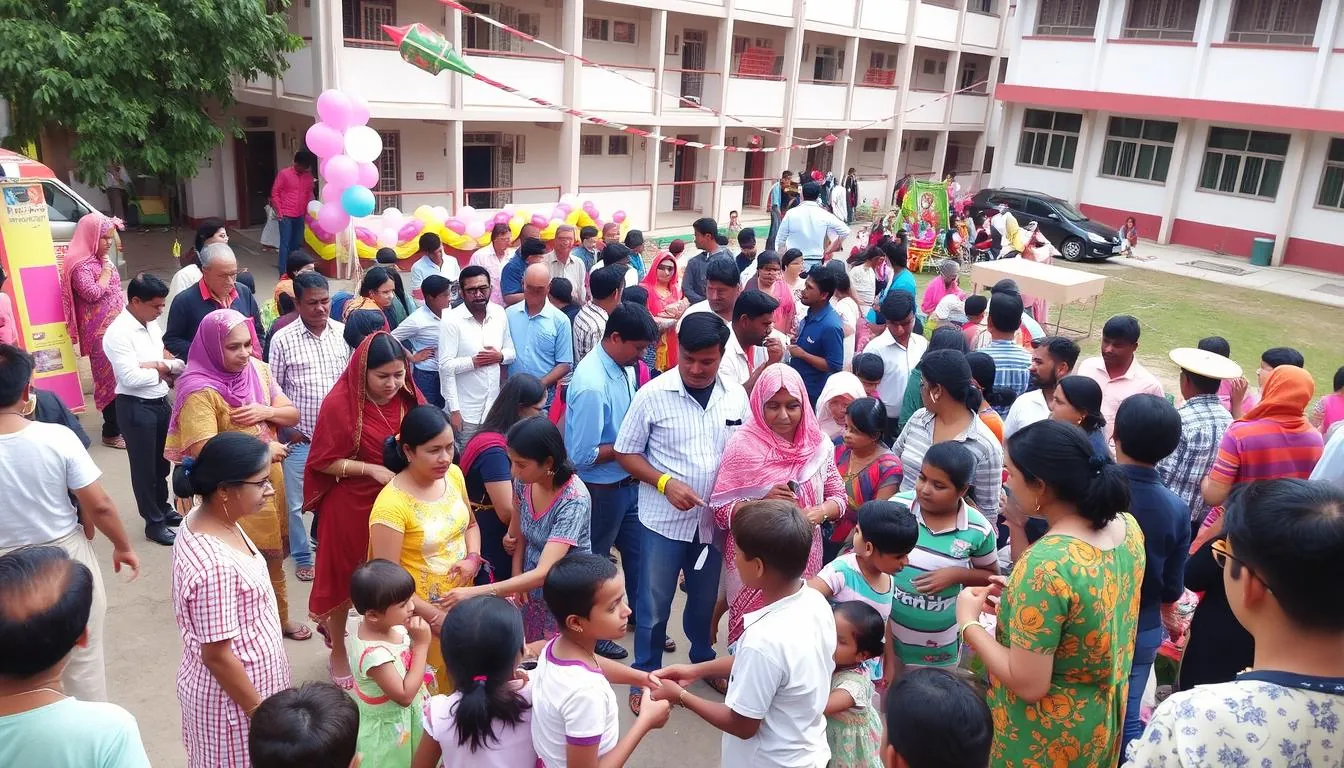

Project Graduation succeeds or fails on community support. The night exists to keep seniors safe, and the safety case is serious. The Centers for Disease Control and Prevention reports that motor vehicle crashes remain a leading cause of death for teenagers, and the National Highway Traffic Safety Administration notes that teen crash risk peaks during the spring graduation season. A whole community rallying behind a safe celebration is one of the strongest answers to that danger.
No single parent committee funds and staffs an all-night event alone. It takes local businesses, alumni, civic groups, and dozens of volunteers pulling together. The schools that pull it off year after year treat community involvement as a project with clear steps, not a hope. This guide walks through that process step by step for committees in New Jersey, New York City, and Connecticut.
If you lead a committee, you already feel the strain. A small group of parents juggles fundraising, logistics, donations, and supervision while holding down full-time jobs. The work scatters in every direction, and burnout sets in by spring. The fix is to spread the load across the whole community, and to remove the heaviest tasks from volunteer hands entirely.
Step 1: Build Your Core Committee First
Community involvement starts with a small, committed core. Recruit five to eight reliable parents and assign each a clear lane: business outreach, alumni relations, volunteer coordination, donations, and communications. Defined roles prevent the chaos that comes when everyone owns everything. This core becomes the engine that drives every other step.
Step 2: Run a Local Business Outreach Campaign
Local businesses fund a large share of most Project Graduation events. They support the cause because it protects the children of their customers and employees. Approach them with a clear, simple ask and a tiered sponsorship menu.
- Build a list of 30 to 40 local businesses, prioritizing those owned by alumni or parents.
- Prepare a one-page sponsorship sheet with logo placement tiers and dollar amounts.
- Visit in person when possible, because a face-to-face ask outperforms email by a wide margin.
- Follow up within a week and thank every donor publicly on social media.
A focused outreach push to a few dozen businesses regularly funds the bulk of the celebration. The personal touch matters most, so lead with the safety mission, not the money.
Step 3: Activate the Alumni Network
Alumni are an underused source of money and energy. People who attended their own Project Graduation feel a strong pull to give back. Reach them through a dedicated email appeal, a class Facebook group, and word of mouth from current parents who graduated from the same school.
Ask alumni for three things: donations, raffle prizes from their businesses, and a few hours of volunteer time on event night. A short, heartfelt message about keeping the next generation safe motivates a strong response. Make giving easy with an online link and a clear deadline.
Step 4: Coordinate Volunteers Without Burning Them Out
Volunteers are the lifeblood of the event, and protecting their energy keeps them coming back. The mistake committees make is asking a few people to do everything. Instead, recruit many volunteers for short, defined shifts.
- Break the night into two-hour or three-hour shifts so no one works the whole event.
- Use a simple online sign-up sheet with named slots and clear tasks.
- Recruit beyond senior parents: underclassman families, alumni, and local clubs all help.
- Assign a volunteer captain for each shift to answer questions on site.
Short shifts and clear tasks turn a daunting night into a manageable one. People say yes far more often when the ask is specific and limited.
Step 5: Amplify Everything on Social Media
Social media multiplies every other effort. A dedicated event page keeps the community informed, thanks sponsors publicly, and recruits volunteers and donors in one place. Post consistently in the months before the event.
Share sponsor spotlights, volunteer calls, fundraiser reminders, and the safety message that ties it all together. Public recognition motivates more businesses to sponsor and more alumni to give. Tag every donor so their networks see the support, which often brings in new contributors.
Why Volunteer Overload Stalls Project Graduation Planning
Even organized committees hit predictable obstacles. Naming them helps you plan around them:
- Volunteer overload: the same few parents take on too much and burn out before the event.
- Donor fatigue: businesses and families face requests from many school groups all year.
- Logistics overwhelm: planning entertainment and activities eats the hours volunteers do not have.
- Communication gaps: support fizzles when sponsors and volunteers are not kept informed.
The biggest of these, logistics overwhelm, has a clean fix. Removing the largest planning task from volunteer hands lets the community focus on what it does best: showing up and supporting.
Let Turnkey Entertainment Carry the Heaviest Load
The entertainment is the most time-consuming piece to plan, and it is the easiest to hand off. It’s PlayTyme Game Shows delivers a fully hosted, turnkey program that runs the entire main event. A professional host brings the games, the equipment, and the energy, so your volunteers never have to invent activities or run the show themselves.
That single decision frees your community to focus on support rather than logistics. Parents handle food, alumni handle donations, and businesses handle sponsorships, while the entertainment runs itself. The result is a stronger, safer event with far less strain on the people who make it happen.
How to Choose Where Your Community Spends Its Energy
Start by sorting tasks into two piles: work that builds relationships and work that drains time. Relationship work, like business outreach and alumni appeals, deserves your volunteers’ full attention because only people can do it. Time-draining work, like running entertainment for hundreds of teens, belongs with professionals. Direct your community toward the first pile and outsource the second. Reach out through our contact page, or explore our school programs and events pages to see how turnkey entertainment lets your whole community focus on support, not logistics.
Frequently Asked Questions (FAQs)
What is the best way to approach local businesses?
Visit in person with a one-page sponsorship sheet and tiered giving levels. Lead with the safety mission rather than the money, and prioritize businesses owned by alumni or parents. Follow up within a week and thank every donor publicly.
How do we avoid volunteer burnout?
Break the event into short, defined shifts and recruit many volunteers rather than overloading a few. Use a clear online sign-up with named tasks. Outsourcing the entertainment removes the heaviest planning burden, which protects your volunteers’ energy.
How can alumni help with Project Graduation?
Alumni give donations, contribute raffle prizes through their businesses, and volunteer on event night. Reach them through a dedicated email appeal and class social media groups. A heartfelt message about keeping the next generation safe drives a strong response.
Why does outsourcing entertainment strengthen community involvement?
Entertainment is the most time-consuming task to plan, so handing it to a professional host frees volunteers for relationship work. The community then focuses on outreach, donations, and supervision. That division produces a safer event with far less volunteer strain.