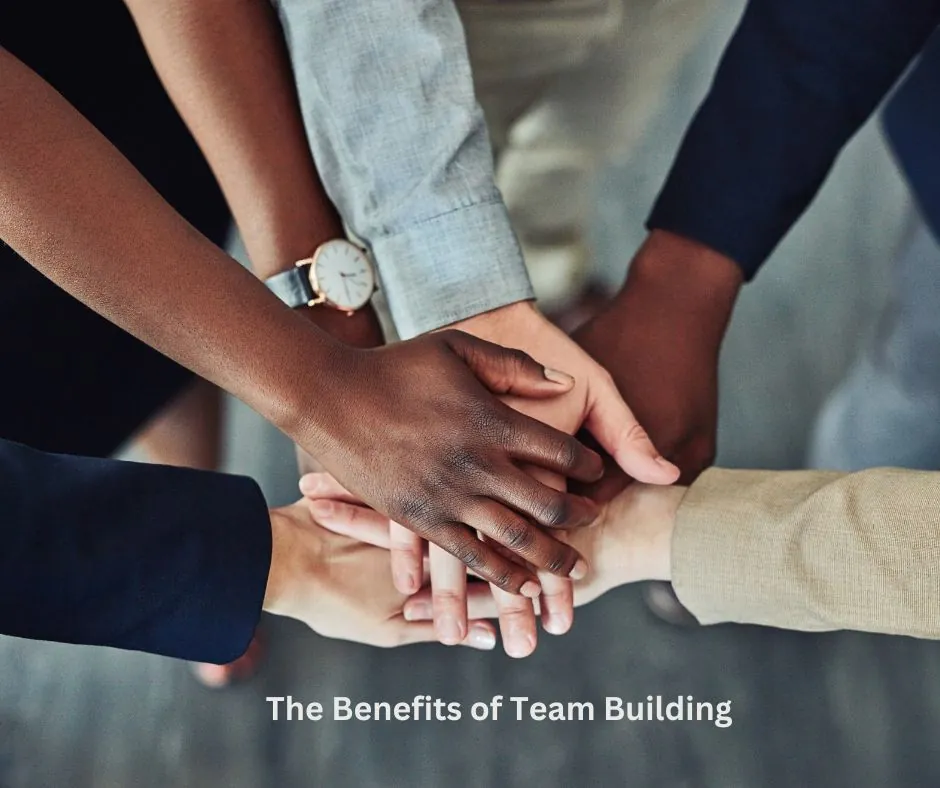
Employee engagement is not a soft metric. It directly drives profit. Gallup’s workplace research found that business units in the top quartile of engagement achieve 21% greater profitability than those in the bottom quartile. The data is clear: teams that feel connected perform better. A separate Deloitte Global Human Capital Trends report showed that organizations prioritizing teamwork and collaboration are twice as likely to be high performing and twice as likely to outgrow their competitors.
The benefits of team building activities reach every corner of a company, from the onboarding process to quarterly revenue. Yet most HR leaders and event planners already know this instinctively. The real question is not whether team building works. It is why so many programs still fall flat.
The problem is format, not intent. Forced icebreakers make people uncomfortable. Trust falls exclude anyone with a physical limitation. Passive dinners produce the same cliques as the office hallway. When the activity itself creates awkwardness instead of connection, the benefits never materialize. The companies that get real results choose structured, high-energy formats that pull everyone in without singling anyone out.
Key Takeaways
- Engaged business units achieve 21% greater profitability than those in the bottom engagement quartile.
- Organizations prioritizing teamwork are twice as likely to be high performing and outgrow competitors.
- Team building benefits reach every corner of a company, from onboarding to quarterly revenue.
- The real problem is format, not intent; forced icebreakers make people uncomfortable.
- Teams that feel connected perform better; engagement directly drives profit, not just morale.
Productivity Increases When Teams Build Real Connections
The link between team cohesion and output is well documented. When colleagues trust each other, they spend less time second-guessing decisions and more time executing. Projects move faster because communication is direct and collaboration is natural rather than forced.
One of the strongest benefits of team building activities is this productivity lift. Groups that participate in structured team activities show improved coordination on shared tasks. The effect is not abstract. It shows up in faster project delivery, fewer miscommunications, and shorter feedback loops.
It’s PlayTyme Game Shows builds events around this principle. A professionally hosted game show puts teams into fast-paced rounds where they must communicate, strategize, and make quick decisions together. That dynamic mirrors the real work environment, but without the stakes that cause hesitation. When a team practices collaboration in a fun setting, the habit carries back to the office.
Employee Retention Improves When People Feel They Belong
Replacing a single employee costs between six and nine months of that person’s salary when you factor in recruiting, training, and lost productivity. Retention is one of the most expensive problems a company faces, and one of the most preventable.
People leave managers, but they also leave isolation. An employee with no workplace friendships is far more likely to disengage and start looking elsewhere. Regular team building activities create the social bonds that make people want to stay. When someone has genuine relationships with colleagues, leaving feels like losing a community, not just switching a paycheck.
A hosted game show from It’s PlayTyme accelerates this bonding. The format mixes people across departments and seniority levels. A first-year analyst and a senior VP compete on the same team, share a laugh, and walk away seeing each other as real people. That single interaction does more for retention than a dozen engagement survey action items.
Communication Gets Stronger Outside the Conference Room
Most workplace communication happens through a narrow filter: email threads, status meetings, and Slack messages. These channels prioritize information transfer, not understanding. People learn what their colleagues think, but rarely how they think.
Team building activities reset this dynamic. When people interact in a non-work context, they discover communication styles, strengths, and perspectives they never see in a Monday standup. The quiet analyst reveals a sharp strategic mind during a trivia round. The usually reserved developer turns out to be the fastest buzzer hand in the room.
These discoveries reshape how teams communicate at work. Colleagues start directing questions to the right people. They adapt their approach based on what they learned about each other’s strengths. The benefits of team building activities compound over time as these new communication patterns become habitual.
Creativity and Problem Solving Sharpen Under Friendly Pressure
Innovation does not happen in silos. It happens when people with different expertise collide in a space where ideas flow freely. Team building activities that involve competition, time pressure, and creative thinking train exactly this skill.
A game show format is particularly effective here. Rounds that require lateral thinking (answering survey questions, decoding word puzzles, or strategizing under a countdown) force participants to think on their feet and listen to teammates they might otherwise overlook. The pressure is real enough to be exciting but low enough that failure is funny rather than costly.
Companies that invest in these experiences report that brainstorming sessions and cross-functional projects run smoother afterward. People who have already practiced thinking together under a buzzer find it easier to do the same thing under a deadline.
Challenges That Undermine Most Team Building Efforts
Not all team building delivers results. In fact, a poorly chosen activity does more harm than good. Understanding where programs fail is the first step to choosing one that works.
The Cringe Factor
Forced vulnerability kills buy-in. When employees know they are about to be put on the spot with personal questions or physical trust exercises, they arrive with their guard up. The activity starts in a hole it never climbs out of. Effective team building uses a format everyone already understands (like a game show) so people feel comfortable from the first minute.
Exclusion by Design
Ropes courses, obstacle challenges, and outdoor adventure activities exclude anyone with a physical limitation, an injury, or simple discomfort with heights. The result is a team-building event that literally leaves people behind. Inclusive formats, where participation requires only a mind and a sense of humor, produce broader and more genuine benefits of team building activities.
No Structure, No Outcome
A happy hour or a bowling night is socializing, not team building. Without structured interaction, people cluster with the same colleagues they always talk to. Nobody builds a new relationship. An event with rounds, teams, scoring, and a host who keeps things moving guarantees that every person engages with people they don’t usually work alongside.
One and Done
A single annual outing produces a brief morale spike that fades within weeks. The companies that see lasting gains treat team building as a recurring investment, not a calendar checkbox. Quarterly or biannual events keep the connections fresh.
New Hires Integrate Faster Through Shared Experiences
The first 90 days determine whether a new hire stays long term. During this window, relationships matter more than process. A new employee who feels socially connected to the team by month two is significantly more likely to still be there at the one-year mark.
Team building activities compress this integration timeline. Instead of waiting months for organic relationships to form, a single well-run event introduces a new hire to a dozen colleagues in a context where everyone is relaxed and genuinely engaged. Game show formats are ideal because they require participation without demanding vulnerability. A new employee answers trivia questions and cheers for teammates without the awkwardness of “tell us a fun fact about yourself.”
It’s PlayTyme Game Shows runs corporate events specifically designed to mix departments and tenure levels. The result: new hires build relationships on day one that would otherwise take months to develop.
Morale and Mental Health Benefit From Structured Fun
Workplace stress is a real cost. Burnout drives absenteeism, lowers quality of work, and accelerates turnover. Regular team building activities serve as a pressure release that prevents stress from compounding into disengagement.
Laughter is the mechanism. When a group of colleagues laughs together during a Face-2-Face Feud round or celebrates a comeback win in a trivia challenge, cortisol drops and oxytocin rises. These are not abstract wellness buzzwords. They are measurable physiological responses that improve mood, trust, and cooperation. The morale boost from a great team event lasts weeks, not hours.
This is one of the most underrated benefits of team building activities. Companies frame these events as “fun days” when they should frame them as mental health investments. One hosted game show that prevents even one burnout-related resignation saves the company tens of thousands, and ours start at $2,995 (see our pricing estimator).
| Benefit | What the Research Shows | How a Game Show Delivers It |
|---|---|---|
| Productivity | Engaged teams are 21% more profitable (Gallup) | Fast-paced rounds train real-time collaboration |
| Retention | Replacing one employee costs 6—9 months of salary | Cross-department teams build bonds that keep people |
| Communication | Teams with psychological safety outperform peers | Low-stakes competition reveals communication styles |
| Creativity | Diverse collaboration drives higher innovation output | Time-pressure rounds force creative problem solving |
| Morale | Shared laughter reduces cortisol and builds trust | Professionally hosted fun creates genuine, lasting energy |
| Onboarding | Social integration predicts new-hire retention | Mixed teams introduce new hires without forced icebreakers |
What to Consider When Choosing a Team Building Format
The benefits of team building activities only materialize if you choose the right format. The wrong pick wastes budget and erodes trust in future events. Ask yourself three questions before booking anything.
First, does it include everyone? If the activity requires physical ability, outdoor access, or a specific personality type, a portion of your team is excluded from the start. Choose a format where the only requirement is showing up. Second, is it professionally facilitated? A manager running a DIY activity carries an inherent power dynamic that prevents people from relaxing. A professional host reads the room, adjusts in real time, and makes sure every voice is heard. Third, does it create structured interaction across groups? If people are free to choose their own teams, they cluster with familiar colleagues. The event produces zero new connections. The best formats assign mixed teams and rotate groups through multiple rounds.
It’s PlayTyme Game Shows checks all three boxes for companies across New Jersey, New York City, and Connecticut. With more than a decade of experience and more than 3,000 events hosted, every show is built around your goals, your people, and your culture. Get in touch for a quote and start planning the event your team will actually talk about.
Frequently Asked Questions (FAQs)
What are the top benefits of team building activities for employees?
The primary benefits include stronger communication across departments, higher job satisfaction, improved retention rates, and faster integration for new hires. Employees who participate in regular team building report feeling more connected to their colleagues and more engaged with their work.
How often should a company run team building events?
Quarterly events produce the best long-term results. A single annual outing creates a temporary morale boost that fades within weeks. Spacing events throughout the year keeps relationships fresh and reinforces the collaborative habits formed during each session.
What team building activities work for large groups of 50 or more?
Game show formats scale exceptionally well for large groups. A professionally hosted event splits the audience into competing teams, uses buzzer systems and live scoring, and keeps the energy high for groups ranging from 20 to 300+ people. Every participant has an active role regardless of group size.
Do team building activities actually improve workplace performance?
Yes. Gallup research shows that highly engaged teams are 21% more profitable. Structured team building activities directly increase engagement by building trust, improving communication, and creating a sense of belonging that drives daily performance.
How much does a professional team building event cost?
Pricing depends on group size, format, and location. Most professionally hosted game shows charge a flat event fee rather than a per-person rate, which simplifies budgeting. Contact the provider directly for a quote tailored to your specific event.