
Schools shape more than test scores. They shape how young people treat one another, handle setbacks, and tell the truth when it costs them something. The habits formed in a gym full of students follow them into every job they will ever hold. Gallup reports that only 20% of employees feel engaged at work, and that gap often traces back to social skills that were never practiced early. Character building starts long before a first paycheck.
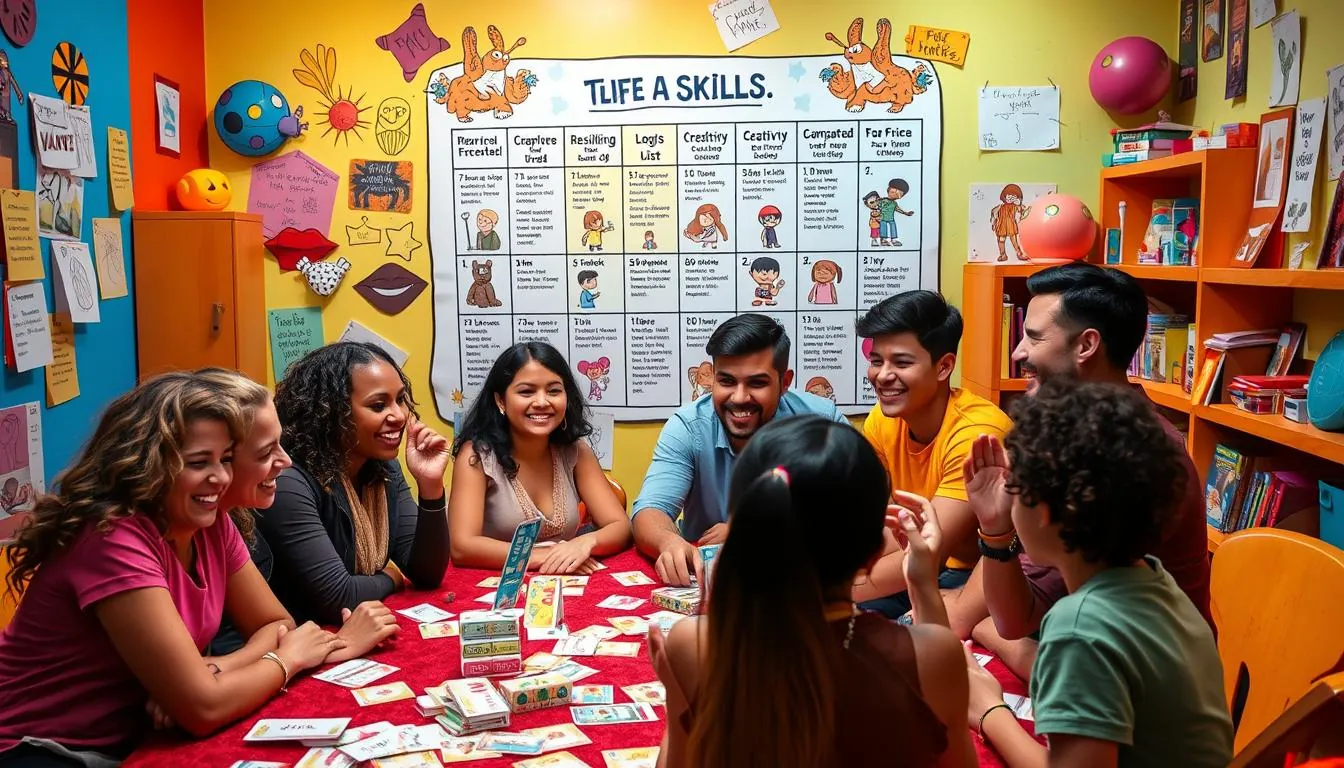
Trivia turns those lessons into something students enjoy. A well-run game rewards listening, fair play, and teamwork instead of dry lectures. Pew Research found that most workers value the social side of their jobs, which confirms what every teacher already senses: people thrive when they feel connected. Character building trivia games give students a low-pressure way to practice connection while having fun.
Coordinators face real obstacles when planning this kind of programming. You need an activity that holds the attention of a restless K-12 crowd, fits a 45-minute assembly block, and works for hundreds of students at once. You want clear character lessons without a preachy tone that makes teenagers tune out. You also need a format that includes quiet students, not just the loud ones who always raise a hand. The sections below show how to meet each of these goals.
What Character Building Trivia Games Actually Teach
Character building trivia games wrap social and emotional lessons inside a fast, competitive format. Students answer questions about real situations, famous role models, and everyday choices. Each round opens a short conversation about why a decision matters. The competition keeps energy high while the content does the teaching.
The format works because students learn by doing, not just by hearing. When a team debates the fair answer to a scenario question, they practice the exact skill the lesson targets. They negotiate, listen, and reach a shared decision in under a minute. That repetition builds habits no single speech can match.
Core Character Traits You Can Build Through Trivia
A strong program targets specific traits and ties each one to clear questions. Pick the three or four that fit your school’s current goals.
Respect and Empathy
- Questions about understanding different viewpoints and backgrounds.
- Scenarios where students choose how to respond to a classmate in need.
- Role-model rounds featuring leaders known for kindness.
Integrity and Honesty
- Dilemmas that reward telling the truth even when it is hard.
- Questions about fairness, cheating, and owning a mistake.
- Stories of people who did the right thing under pressure.
Teamwork and Responsibility
- Team rounds that only score when everyone contributes.
- Questions about reliability, follow-through, and shared goals.
- Challenges that reward helping a teammate over showing off.
How to Run a Character Building Trivia Assembly
The best assemblies follow a simple structure. Start with a quick energizer to wake the room. Move into themed rounds that mix easy wins with thoughtful scenarios. End with a final round that brings the whole grade together. A skilled host paces the show so no segment drags.
Grouping matters as much as the questions. Assign teams across friend groups so students meet new classmates. Use buzzers or response cards so every student answers, not just volunteers. Keep scores visible to fuel friendly rivalry. Close each round with a 30-second takeaway that names the trait the questions tested.
What Stalls Character Education at School Assemblies
Even motivated coordinators run into predictable obstacles. Naming them early makes them simple to solve.
- Holding attention: Long talks lose a young crowd fast. A game format keeps students locked in because they want their team to win.
- Avoiding a preachy tone: Teenagers resist lectures. Trivia delivers the lesson through a question, so the message lands without a sermon.
- Including everyone: Solo formats favor confident students. Team play and response cards pull in the quiet majority.
- Large group size: Hundreds of students need real sound and stage presence. Professional production handles the room a single teacher cannot.
- Tight schedules: Assemblies run on strict bells. A hosted show starts and ends on time, every time.
Why It’s PlayTyme Game Shows Stands Out for Schools
It’s PlayTyme Game Shows brings broadcast-style game show production to schools across New Jersey, New York City, and Connecticut. A professional host runs the entire assembly with buzzers, big screens, and a script built around your character goals. Teachers watch from the side while the show carries the energy and the message.
The team designs each set of questions around the traits your school wants to reinforce. Rounds reward respect, honesty, and teamwork through real scenarios students recognize. The pace keeps a packed gym engaged from the first buzzer to the final tie-breaker. Shy students join in because team play removes the fear of standing alone. The result is a memorable hour that doubles as a character lesson.
Sample Categories and Question Ideas
A balanced show mixes knowledge rounds with character scenarios. Knowledge rounds give quick confidence, while scenario rounds spark the real conversations.
- Role Model Round: Identify leaders, athletes, and historical figures known for courage or kindness.
- What Would You Do: Teams pick the fair response to a friendship or fairness dilemma.
- Teamwork Trivia: Questions that only score when the whole team agrees.
- Honesty Challenge: Scenarios that reward telling the truth and owning a mistake.
- School Spirit: Local and school-themed questions that build belonging.
Rotating these categories keeps each assembly fresh, so a school can book a program for multiple grades or repeat events across a year without repeating content.
Ready to turn your next assembly into a character lesson students remember? Contact It’s PlayTyme to check dates, or explore our school assembly game shows built for K-12 students across NJ, NYC, and CT.
How to Select the Right Character Trivia Program
Start with the trait you most want to strengthen this year. If your school is focused on respect and inclusion, choose a program heavy on empathy scenarios. If integrity is the goal, weight the questions toward honesty and fair play. Match the format to your grade level, since younger students need shorter rounds and more movement. Confirm the provider supplies a host, sound, and scoring so your staff can simply watch. Schools that want clear lessons with real energy consistently choose a hosted game show, because it solves attention, inclusion, and timing in one booking.
Frequently Asked Questions (FAQs)
What grade levels work best for character trivia assemblies?
The format adapts to every level from elementary through high school. Younger grades get shorter rounds with simpler scenarios, while older students handle deeper dilemmas. A skilled host adjusts the pace and content to match the audience in the room.
How long does a character building trivia assembly last?
Most programs run 45 to 60 minutes, which fits a standard assembly block. The structure includes an energizer, themed rounds, and a final group challenge. A hosted show starts and ends on schedule so classes return on time.
How do these games include shy or quiet students?
Team play and response cards give every student a way to participate without standing alone. Questions reward group decisions, so quiet students contribute inside the safety of a team. The host keeps the tone friendly and pressure-free.
Can the questions be customized to our school values?
Yes. The program is built around the specific traits your school wants to reinforce, such as integrity, empathy, or responsibility. You can also add school-themed and local questions to build belonging. This keeps the message aligned with your existing character curriculum.