

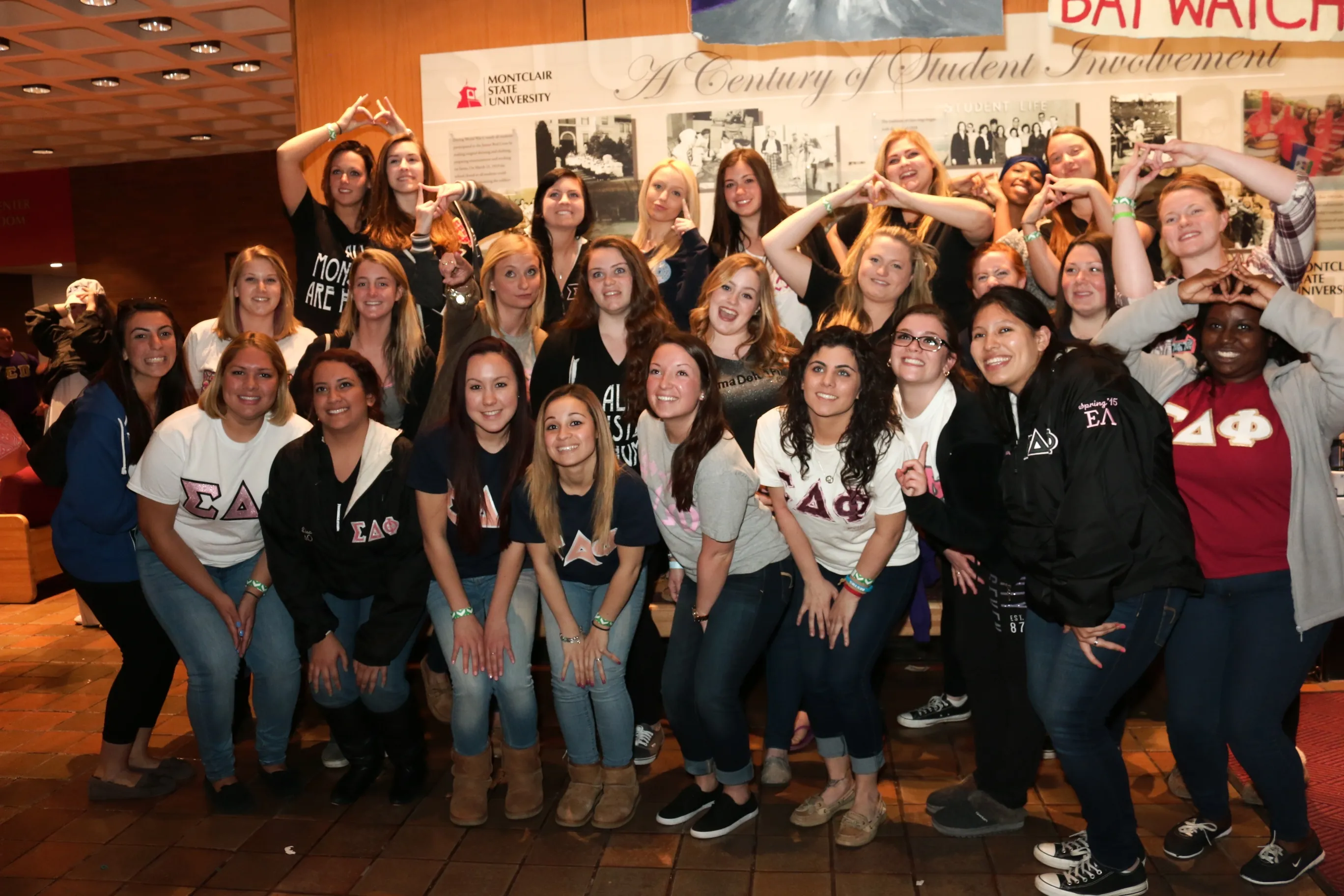

Campus life is about far more than lectures, and the events outside the classroom shape whether students feel they belong. Gallup research ties a strong sense of campus belonging to higher engagement and a greater likelihood of finishing a degree, a connection documented in the Gallup State of the Global Workplace report. Fun, social programming is how that belonging gets built.
The competition for attention is fierce. Pew Research finds that 95 percent of teens, soon to be college students, have access to a smartphone, so passive events lose out to screens fast, according to Pew Research Center. Activities that are interactive and social pull students off their phones and into the room, which is where real campus community forms.
Student associations and activity boards run into the same wall every term. You have a modest budget, a busy academic calendar, and a student body with wildly different interests, and you need events that draw a crowd without demanding a huge production. You want activities a student group can actually organize, host, or book. The ideas below favor entertainment-forward events that reliably fill a room.
Key Takeaways
- Gallup research links a strong sense of campus belonging to higher engagement and degree completion rates.
- Ninety-five percent of college-age students have smartphone access, making passive events a losing proposition.
- Interactive, social programming pulls students off their phones and into real community-building moments.
- Student activity boards typically face a modest budget, a packed academic calendar, and diverse student interests.
- Events that put every attendee in the action are how campus belonging gets built on purpose.
Why Entertainment-Forward Events Win
Passive activities struggle to compete with everything on a student’s phone, so the events that succeed give students something to do, not just something to watch. Interaction is the draw, and a clear format gives even shy students an easy way to take part.
Social structure does the heavy lifting. When an activity puts students on teams or against a friendly scoreboard, conversation happens naturally and strangers leave as acquaintances. That is the outcome every activity board is really after.
Trivia Nights and Game Nights
Trivia is the reliable workhorse of campus programming because it is cheap, social, and endlessly repeatable. A weekly or monthly trivia night in a dining hall or student center builds a loyal crowd that returns for the routine.
- Rotate themes like decades music, movies, and campus history to keep it fresh
- Seat students in teams of four to six so no one plays alone
- Offer small prizes and bragging rights to fuel the rivalry
Tabletop and video game nights work the same magic for different crowds. Set up stations, supply snacks, and let students drift between games at their own pace.
Hosted Game Shows: The Standout Event
When a student group wants one event that fills a room and gets talked about for weeks, a professionally hosted game show stands above the rest. A live host, real buzzers, and a giant scoreboard turn a lecture hall or student center into a charged, cheering crowd. It’s PlayTyme Game Shows produces interactive programs for colleges across New Jersey, New York City, and Connecticut, sized for everything from a club night to a full-class event.
The hosted format removes the production burden from student organizers. The host runs the show, the gear arrives ready, and the activity board simply promotes the night and shows up to enjoy it. Team rounds put hundreds of students in the game at once, which is why it draws bigger crowds than a do-it-yourself event ever could.
For an association deciding where to spend a limited events budget, one hosted show often delivers more energy and connection than several smaller activities. It becomes the signature event students associate with the group that hosted it.
Outdoor and Active Events
Fresh air and movement draw a different segment of the student body. Quad-based events break up the routine and welcome students who skip indoor programming.
- Field days with team relays and giant lawn games
- Outdoor movie nights with a projector and free popcorn
- Intramural tournaments that any skill level can join
- Pop-up fitness or dance sessions on the green
These events cost little beyond supplies and a permit, and the open setting makes joining feel casual rather than committed. Students wander in, stay for the fun, and leave with new contacts.
Low-Cost Social Activities
Not every event needs a budget. Some of the most reliable draws are simple, recurring socials that give students a low-stakes reason to gather.
- Coffee-and-conversation hours in a lounge
- Craft or paint nights with shared supplies
- Themed potlucks where each hall brings a dish
- Open-mic evenings for music, comedy, and poetry
The key is consistency. A small event that runs every week builds a habit and a community, which often outperforms a single expensive blowout.
The Budget and Attendance Hurdles Campus Planners Face
Budget is the constant constraint. Activity boards stretch limited funds across a whole semester, so events that pack a room cheaply, like trivia and outdoor games, earn their keep. The marquee hosted event is the planned splurge that anchors the term.
Attendance is the second worry. A poorly promoted event draws an empty room no matter how good the idea, so timing, marketing, and a format students already want all matter. Interactive, social events promote themselves through word of mouth.
Organizer capacity is the final hurdle. Student volunteers juggle events alongside coursework, and a complex production can overwhelm them. Choosing simple recurring formats and booking turnkey providers for the big nights keeps the workload sane.
Building a Semester of Campus Events
Anchor the calendar with a rhythm of recurring small events and a few marquee nights. Run weekly trivia or game nights for steady community, sprinkle in outdoor and social events, then headline each month with one bigger draw like a hosted game show.
Promote relentlessly and track what fills the room. Note which formats drew the biggest crowds and repeat them, and let the data, not guesswork, shape next semester’s lineup. A balanced calendar keeps students engaged from move-in through finals.
Planning your signature event for the term? Reach out through our contact page, and explore our team building programs built for college groups. For department functions and staff celebrations, our corporate events bring the same hosted energy to any campus audience.
Matching Campus Activities to Your Budget and Goals
Start with your goal and your budget. For steady, low-cost community, build a calendar of recurring trivia, game, and social nights that students can count on. For the events that define your group, invest in one or two marquee nights that pack a room.
When you want maximum energy with minimum production stress, a professionally hosted game show is the standout choice, since it draws a big crowd and runs itself. Weigh your funds, your organizer capacity, and the crowd you want to reach, then mix steady small events with a few unforgettable headliners.
Frequently Asked Questions (FAQs)
What are the most popular fun activities for college students on campus?
Trivia nights, game nights, outdoor field days, and hosted game shows consistently draw the biggest crowds. They are interactive and social, which is what pulls students off their phones and into a shared experience.
How can a student group plan events on a small budget?
Lean on low-cost recurring formats like trivia, coffee hours, and outdoor games that need little more than supplies. Reserve the budget for one or two marquee nights, such as a hosted game show, that anchor the semester.
Can student organizations book a professional game show?
Yes. A provider brings the host, the buzzers, and the full setup, so the student group only promotes the night and shows up. The turnkey format removes the production burden that overwhelms volunteer organizers.
How do you get more students to attend campus events?
Choose interactive formats students already want, promote across the channels they use, and schedule around the academic calendar. Team-based, social events also spread through word of mouth, which fills the room better than posters alone.
What campus event creates the strongest sense of community?
A large, interactive event that puts students on teams, like a hosted game show, builds connection fastest by giving strangers a shared goal. Pairing one marquee event with steady weekly socials sustains that community all term.
Why do passive campus events consistently struggle to attract student attendance?
Pew Research finds that 95 percent of teens have access to a smartphone, so passive events lose out to screens fast. Activities that are interactive and social pull students off their phones and into the room.