
Planning a Girls’ Summit comes down to one hard question: how do you build a day students actually remember? Lectures and craft tables rarely pull it off. A mixed group of middle and high schoolers tunes out fast, and the room you wanted buzzing goes quiet. The numbers back up the worry. A 2022 Gallup poll found only 47% of K-12 students feel engaged with school.
The right activities flip that. Students in evidence-based Social and Emotional Learning programs posted an 11-percentile-point academic gain over their peers, according to research in the journal Child Development. Interactive, collaborative experiences do double duty. They build confidence and lift academic results. Pick activities built for participation, not observation.
Where Large Student Empowerment Events Usually Fall Apart
School counselors, administrators, and DEI coordinators run into the same wall with large student events. The hardest part is finding activities that scale from 20 to 200-plus students without losing personal meaning. Solo activities like journaling or vision boards have their place, but they rarely create a shared, high-energy experience. Students drift or feel lost in the crowd.
Facilitation is the other hurdle. An activity lives or dies on the energy of whoever runs it. Asking teachers to turn into professional event hosts on top of a full workload is a tall order. Without a clear format and an experienced host, even a strong plan slides into awkward silence or scattered chatter, and the day falls flat.
Three more constraints shape every plan. Budget comes first: enrichment funding is tight, and coordinators often have to justify the spend or chase a grant before they can book anything. Curriculum alignment comes next, since many districts want the day to map to an SEL framework like CASEL’s rather than read as a one-off party. Inclusivity is the third, because an activity has to land for students of every background, ability, and identity in the room, or it quietly leaves some girls on the sidelines. A format that misses any of the three looks fine on paper and stalls in practice.
What Makes a Girl enablement Activity Successful?
Strong enablement activities run on active participation. They get students out of their seats and into teams, working toward a shared goal. That structure builds communication, sparks new friendships, and fills the room with real energy.
The best formats share three traits:
- They are interactive. Students do the work, not just listen. They compete, create, present, and solve problems in real time.
- They are collaborative. The activities demand teamwork and push students to lean on each other’s strengths. Real connection starts there.
- They are skill-oriented. Past the feel-good factor, the best activities hand girls real skills in public speaking, critical thinking, leadership, and respect.
1. Team-Based Trivia & Game Shows
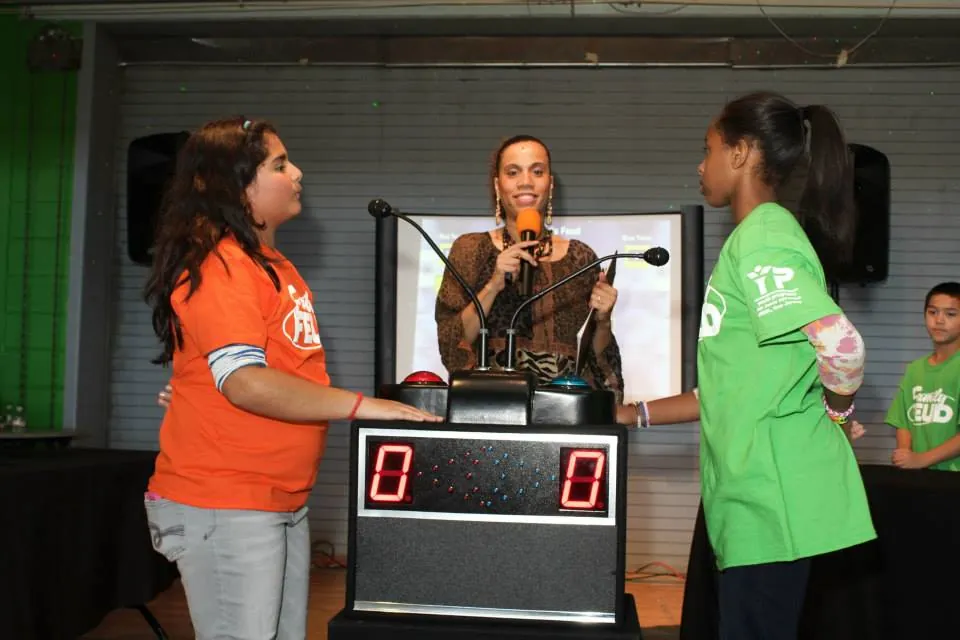
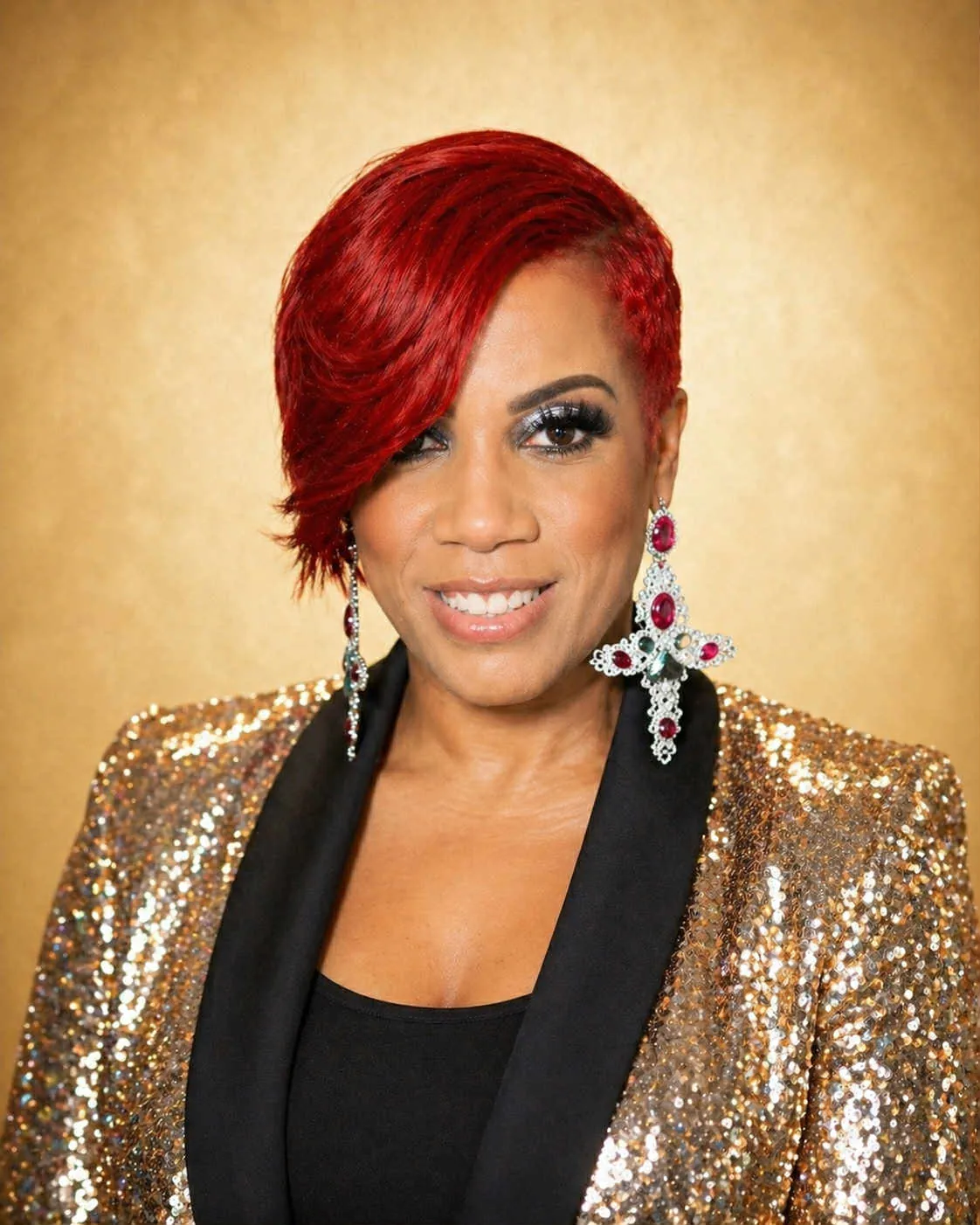
Nothing fills a room with energy like a professionally hosted game show. The format turns learning and teamwork into a live competition where every student has a buzzer and a reason to lean in. It’s PlayTyme Game Shows builds these events for schools across New Jersey and the New York City area. You get a complete, turnkey event run by an expert host, not a DIY kit. Founder Lisa Lawrence has personally run more than 3,000 events and knows how to command a room.
Formats like Face-2-Face Feud or custom trivia on women’s history, STEM leaders, and pop culture pull every student in. Teams buzz in together, debate answers, and think fast under pressure. Mixing students into new teams breaks up cliques and builds confidence through friendly competition. It’s PlayTyme Game Shows also backs the day with a 100% satisfaction guarantee.
2. “Shark Tank” Style Innovation Challenge
A “Shark Tank” style pitch competition asks small teams to spot a problem in their school or community and build a solution. Over a set time, each group brainstorms, drafts a simple action plan, and prepares a persuasive pitch for a panel of judges, whether teachers, administrators, or local leaders.
The format teaches public speaking, basic financial literacy, critical thinking, and teamwork against a deadline. It shows students their ideas carry weight and that they can drive real change. The competition keeps the energy high, and the final pitch gives every group its moment.
3. Mentorship Speed-Networking
Connecting students with real role models sits at the heart of enablement. A mentorship speed-networking event puts a fast, high-energy spin on the traditional career day. Invite female professionals from tech, the arts, business, healthcare, and the trades. Seat students and mentors in two facing rows or in small, rotating table groups.
Set a timer for five to seven minutes per round, then ring a bell and rotate. Students meet a dozen career paths in under an hour. The structure takes the fear out of networking and gives girls a safe space to practice professional conversation and ask for real advice.
4. Improv and Public Speaking Activities for Girls
Fear of public speaking blocks confidence for a lot of young women. Improv workshops fix that by teaching communication in a no-stakes setting built on laughter and quick thinking. A facilitator leads games that reward spontaneous ideas, active listening, and backing up a teammate.
Students get comfortable thinking on their feet and speaking without a script. The point is participation, not perfection. An improv session warms up a larger summit or stands on its own, and students leave with real poise.
5. Skill-Building Stations
A rotational model packs several girl enablement activities for school into one event. Split students into small groups and rotate them through stations every 30 to 45 minutes. The day keeps moving, and everyone finds something that clicks.
Strong stations include:
- An Hour of Code: an intro coding lesson from a tech professional.
- Financial Fitness: a crash course in budgeting, saving, and investing from a financial advisor.
- Basic Self-Defense: a hands-on session on awareness and simple techniques.
- Advocacy 101: a workshop on writing to an elected official or running a small campaign.
6. Collaborative Mural or Art Installation
Solo art projects can isolate students. A large collaborative piece does the opposite and unites the whole group around one lasting symbol of the day. Before the event, outline a simple, large-scale design on a canvas or a designated wall, built around the school’s values or the day’s theme.
During the event, students add to the piece in groups or in turns with paint, markers, and mixed media. The work builds teamwork and shared ownership. The finished mural stays up long after, a daily reminder of the day’s message of unity and strength.
The Six Activities at a Glance
| Activity | Best Group Size | Skills Built | Staff Effort | Energy |
|---|---|---|---|---|
| It’s PlayTyme Game Shows (team trivia) | 20 to 300+ | Communication, teamwork, quick thinking | None, fully hosted | High |
| Shark Tank innovation challenge | 20 to 60 | Public speaking, problem-solving | High | Medium |
| Mentorship speed-networking | 30 to 100 | Professional communication | Medium | Medium |
| Improv and public speaking | 15 to 40 | Confidence, thinking on your feet | Medium | High |
| Skill-building stations | 40 to 150 | Coding, budgeting, advocacy | High | Medium |
| Collaborative mural | 20 to 200+ | Teamwork, shared ownership | Low | Low |