
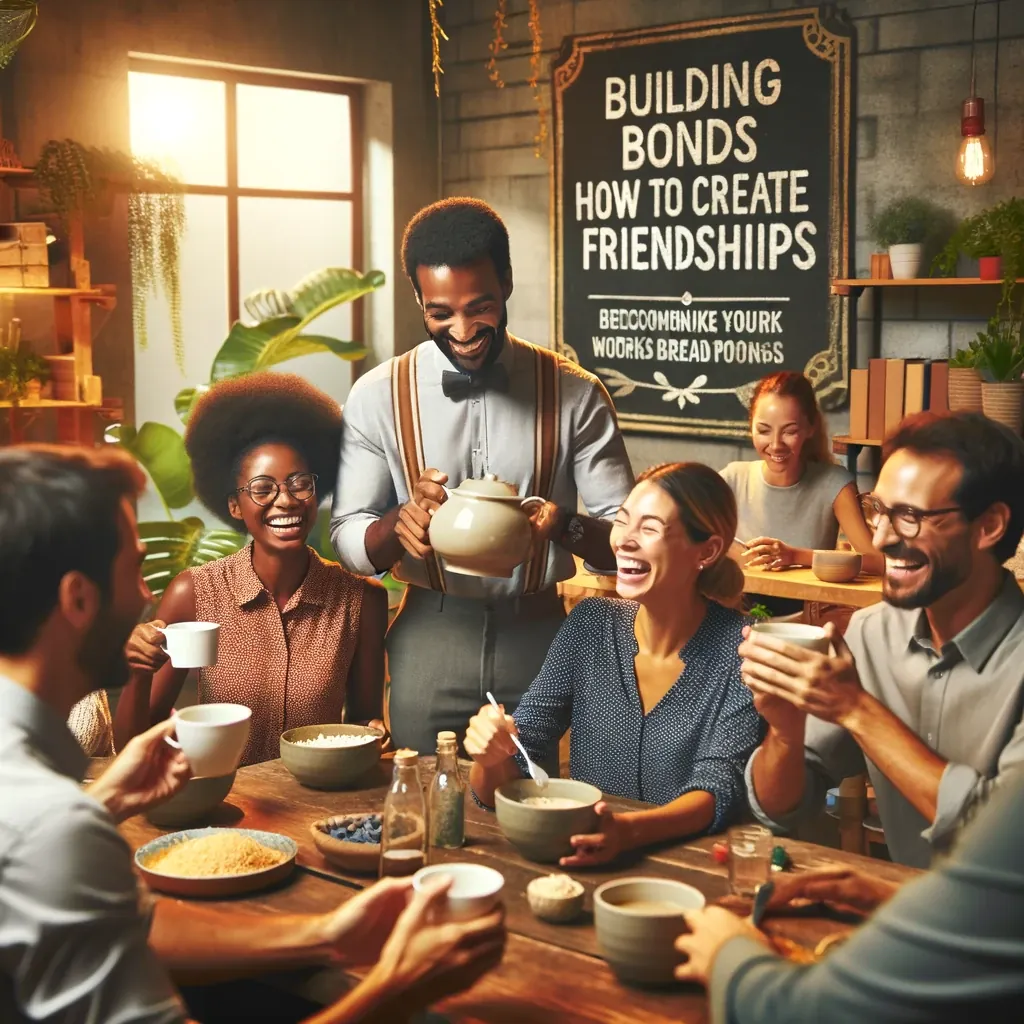
Workplace friendships are not a nice-to-have perk. They are a performance driver. According to Gallup’s ongoing workplace research, employees who strongly agree they have a best friend at work are seven times more likely to be fully engaged in their jobs. That single data point explains why some teams outperform others with identical resources.
The connection gap is growing, not shrinking. The U.S. Surgeon General’s 2023 Advisory on Loneliness and Isolation found that roughly one in two American adults experience measurable loneliness, and the workplace is where most adults spend the majority of their waking hours. When offices went hybrid and remote, the casual interactions that once sparked friendships disappeared almost overnight.
Yet knowing friendships matter does not make them easier to form. Packed calendars leave no room for real conversation. Hybrid schedules mean two coworkers on the same project might never overlap in person. New hires join teams where everyone else already shares inside jokes and history. And most “team building” events feel forced: a mandatory happy hour where people cluster with the colleagues they already know, or an icebreaker exercise that produces awkward silence instead of genuine connection. These are the real barriers standing between your team and the friendships that drive engagement, retention, and daily satisfaction.
Why Workplace Friendships Directly Impact Performance
Friendship at work is not about socializing on the clock. It is about trust, communication speed, and psychological safety. When employees trust each other personally, they share information faster, flag problems earlier, and collaborate without the friction of politics or self-protection.
Teams with strong interpersonal bonds experience lower turnover. People do not quit jobs where they have real friends. They stay through tough quarters, pick up slack for each other voluntarily, and solve conflicts directly instead of escalating to management. Friendship is the cheapest retention strategy most companies ignore entirely.
The performance effect compounds over time. A team that has worked together for six months with genuine friendships communicates in shorthand, anticipates each other’s needs, and recovers from setbacks faster than a team of strangers with better individual credentials.
What Keeps Workplace Friendships from Taking Hold
Understanding the obstacles is the first step toward removing them. Most workplace friendship failures trace back to a handful of structural problems.
- Schedule fragmentation. Hybrid and remote arrangements mean coworkers rarely occupy the same physical space. Spontaneous hallway conversations, shared lunches, and after-meeting chats have been replaced by scheduled Zoom calls with rigid agendas.
- Departmental silos. People form weak ties within their own team but never meet colleagues in other departments. Cross-functional friendships, which are the most valuable for information flow and innovation, require deliberate effort to create.
- Cultural discomfort with vulnerability. Many workplaces reward professionalism to the point that personal conversation feels risky. Employees worry that showing too much personality will be seen as unprofessional.
- Shallow event design. Standard team outings (dinners, bowling nights, escape rooms) put people in proximity without creating the kind of shared challenge or laughter that actually bonds people together.
- Turnover and growth. Fast-growing companies constantly introduce new people into established groups. Without structured integration, newcomers remain outsiders for months.
Start With Small, Consistent Interactions
Friendship does not require grand gestures. It requires repeated, low-stakes contact. Research on relationship formation consistently shows that proximity and frequency predict friendship better than shared interests or personality compatibility.
Practical moves that cost nothing:
- Walk to a colleague’s desk instead of sending a Slack message for quick questions.
- Arrive at meetings two minutes early and use the buffer for personal conversation rather than staring at your phone.
- Eat lunch in a common area at a consistent time. Regularity creates the repeated contact that friendship needs.
- Ask one genuine follow-up question per day. “How did your daughter’s recital go?” signals that you listened and remembered.
These micro-interactions build the foundation. They turn a coworker from a name on an org chart into a person you actually know.
Use Shared Experiences to Accelerate Connection
Small daily interactions build a foundation, but shared experiences accelerate friendship formation dramatically. When people laugh together, solve a problem together, or experience mild stress together, their brains release oxytocin and encode the memory as socially significant. One powerful shared experience creates more bonding than weeks of polite hallway greetings.
This is the science behind why sports teams, military units, and college roommates form lifelong bonds. The experience does not need to be extreme. It needs to be genuinely engaging, slightly outside the comfort zone, and impossible to complete alone. Those three ingredients turn an event into a friendship catalyst.
How Team Game Shows Build Friendships Faster
This is where structured team events earn their value, if designed correctly. It’s PlayTyme Game Shows runs live, interactive game show events for corporate teams across New Jersey, New York City, and Connecticut. The format works specifically because it hits every friendship-formation trigger at once.
A game show format forces interaction between people who would not normally talk. Teams are mixed across departments and seniority levels. The competitive structure gives everyone a shared goal, and the game mechanics (buzzer rounds, physical challenges, trivia categories) create natural moments of laughter, celebration, and playful rivalry. Nobody stands in a corner checking their phone during a live game show.
Why This Format Outperforms Traditional Team Building
Traditional team building often fails because it is either too passive (a dinner where people talk to the person next to them) or too forced (trust falls, sharing circles). Game shows occupy the sweet spot: they are structured enough to eliminate awkwardness but energetic enough to feel genuinely fun rather than obligatory.
It’s PlayTyme designs each event so that every participant contributes. There is no sitting on the sidelines. Quiet employees discover they are trivia experts. Executives reveal surprising gaps in pop culture knowledge. These moments of surprise and vulnerability are exactly what turns coworkers into friends.
| Activity Format | Group Size | Time Needed | Interaction Level | Best For |
|---|---|---|---|---|
| Team Game Shows (It’s PlayTyme) | 20 to 300+ | 60 to 90 min | High | Breaking barriers fast across departments |
| Happy Hours | 5 to 30 | 1 to 2 hours | Medium | Casual socializing among existing friends |
| Volunteer Events | 10 to 50 | Half day | Medium | Shared purpose and community impact |
| Lunch Groups | 3 to 8 | 30 to 60 min | Low to Medium | Daily relationship maintenance |
| Offsite Retreats | 10 to 100 | 1 to 2 days | High | Deep bonding (higher cost and logistics) |
Create Rituals That Sustain Workplace Friendships
A single great event sparks connection. Rituals sustain it. The teams with the strongest internal friendships have informal traditions that give people regular reasons to interact outside of project work.
Examples of Friendship-Sustaining Rituals
- Weekly coffee roulette. Randomly pair two employees each week for a 15-minute coffee chat. No agenda. The randomness ensures cross-departmental mixing.
- Monthly team challenges. A trivia quiz, a step-count competition, or a cooking photo contest. Keep it light and voluntary.
- Quarterly game show events. Schedule recurring team game shows so that the bonding effect compounds. Each event reinforces connections from the last one and integrates new team members.
- Shared playlists or book clubs. Low-effort, ongoing touchpoints that give people something non-work-related to discuss.
The key is consistency. A quarterly game show event plus a weekly coffee roulette creates more friendship than one annual retreat. Frequency beats intensity.
What Leadership Does to Support (or Block) Friendship
Managers set the tone. When a leader eats lunch alone at their desk every day, the implicit message is that socializing is not valued. When a leader shares a personal story in a meeting, it signals that being human at work is safe.
Concrete leadership actions that support friendship formation:
- Allocate budget for team events and protect that budget during cost cuts. Friendship infrastructure pays for itself in retention savings.
- Mix teams deliberately during events. Do not let people self-select into their usual groups.
- Model vulnerability by admitting mistakes openly and asking for help publicly.
- Recognize collaborative wins, not just individual achievements. When the incentive structure rewards teamwork, people invest in relationships.
Leaders who block friendship often do so unintentionally: back-to-back meetings with no buffer time, discouraging non-work conversation, or treating team events as optional extras rather than strategic investments.
Choosing the Right Activity for Your Team’s Culture
Not every team needs the same approach. The right friendship-building activity depends on your team’s size, current culture, and the specific barriers you are trying to break down.
For teams that barely know each other
Start with high-energy, structured events like a corporate game show that forces interaction and eliminates the awkwardness of unstructured socializing. The game format gives people a reason to talk, cheer, and laugh together without requiring anyone to initiate conversation on their own.
For teams that get along but stay surface-level
Add depth through recurring rituals: coffee roulette, shared challenges, or quarterly events that create ongoing touchpoints. Surface-level friendships become real friendships through repeated, varied interactions over time.
For remote or hybrid teams
Prioritize in-person events when the team gathers. A single well-designed game show during a quarterly in-person day creates more bonding than months of virtual happy hours. Supplement with virtual coffee chats and async social channels between gatherings.
For large organizations with departmental silos
Cross-functional events are essential. Game shows work exceptionally well here because they naturally mix people from different departments into competing teams, creating connections that would never form through normal workflows.
Building friendships at work is not about forcing people to socialize. It is about removing barriers, creating the right conditions, and giving people structured opportunities to connect as human beings. The organizations that figure this out keep their best people longer, move faster, and build cultures that attract top talent. If your team is ready for a friendship-building event that actually works, reach out to It’s PlayTyme Game Shows to plan a corporate game show that gets your people laughing, competing, and connecting from the first round.
n
Frequently Asked Questions (FAQs)
How long does it take to build friendships at work?
Research suggests it takes roughly 50 hours of interaction to move from acquaintance to casual friend, and over 200 hours to develop a close friendship. Structured team events like game shows accelerate this timeline by creating high-quality interactions that pack more bonding into a shorter period than passive coexistence.
What if my workplace culture discourages socializing?
Start small and lead by example. Arrive at meetings early for brief personal conversations, invite a colleague to lunch, or suggest a team event with a clear business case (improved communication, faster onboarding). Frame friendship-building activities as productivity investments rather than distractions.
Do workplace friendships create problems with favoritism or cliques?
Poorly managed friendships create cliques. Well-managed friendship cultures do the opposite. The key is mixing groups during team events, encouraging cross-departmental relationships, and rotating project teams. Game show events naturally prevent clique formation by randomizing team assignments each time.
How do remote employees build friendships with in-office colleagues?
Remote employees benefit most from high-impact in-person events during the times they are on-site. A quarterly game show or team outing creates shared memories that sustain the relationship during remote periods. Between visits, virtual coffee chats and non-work Slack channels keep the connection alive.
Are team building events worth the investment for building workplace friendships?
The data strongly supports it. Gallup’s research shows that teams with strong social bonds have higher engagement, lower turnover, and better customer outcomes. A single well-designed team event costs far less than replacing one disengaged employee, making friendship-building activities one of the highest-ROI investments a company makes.