
U.S. employee engagement dropped to just 31% in 2024, a ten-year low according to Gallup. At the same time, SHRM reports that the average cost per hire now sits at $5,475, making every preventable departure a direct hit to the budget. Team building events remain one of the most effective ways to rebuild connection, strengthen retention, and turn disengaged employees into contributors who actually want to stay.
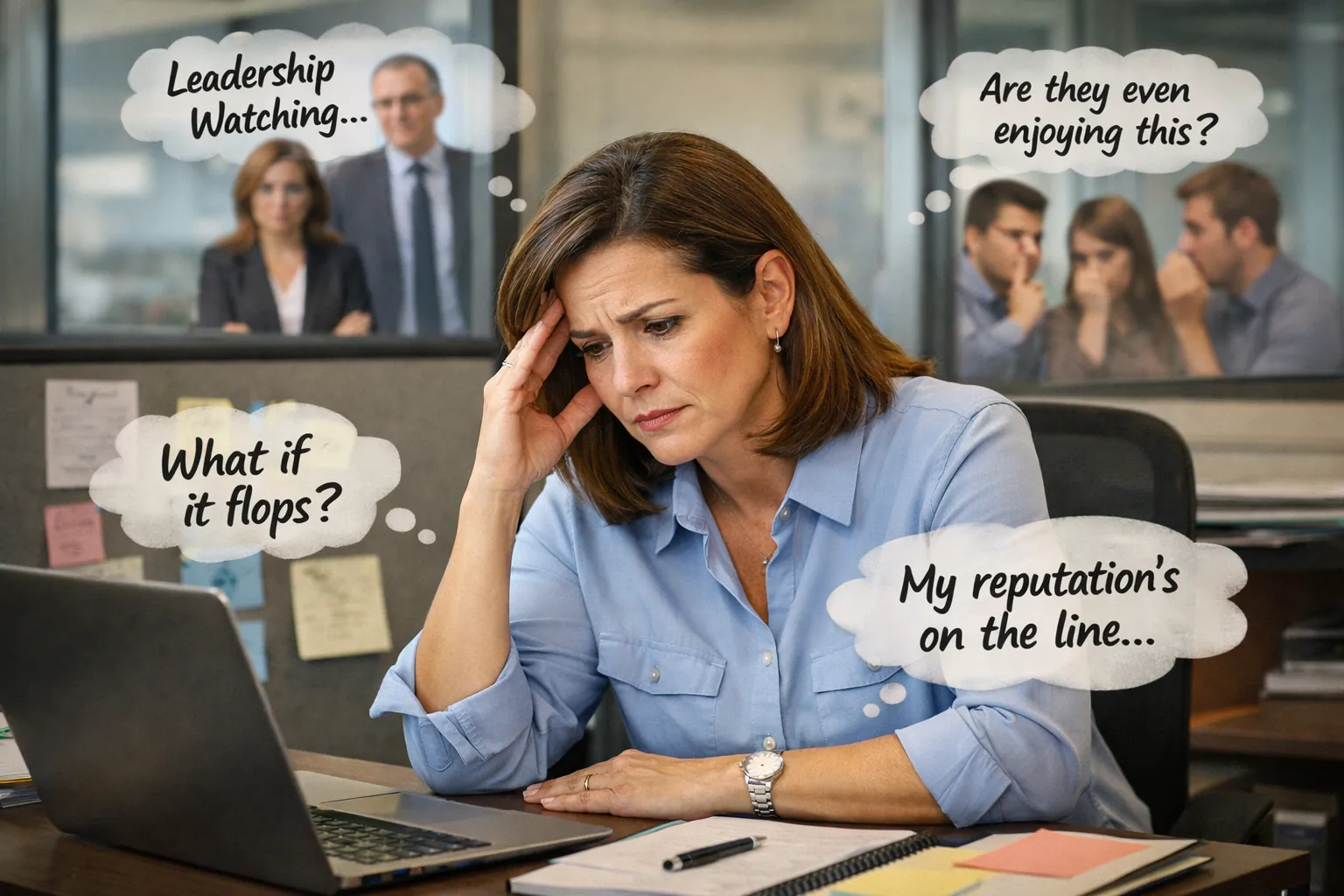
Yet most HR professionals who have organized these events will admit the same thing: the hardest part is not picking an activity. It is everything around it. The venue that looked great online but had no parking. The schedule that ran too long. The half of the team that never heard about it until the day before.
If you are an HR leader, office manager, or department head tasked with planning a team building event, this guide walks you through the nine steps that separate forgettable outings from events people talk about for months. Each step includes the mistakes experienced planners regret and the shortcuts that actually work.
Where Most Team Building Events Go Wrong
Before diving into the checklist, it helps to name the obstacles that derail most events. Recognizing them early gives you a planning advantage.
- Choosing the wrong format for the group. A ropes course sounds exciting until half your team has mobility limitations or a genuine fear of heights. Format mismatch is the number-one reason events fall flat.
- Underestimating the energy curve. Events scheduled after a full workday or squeezed into a lunch hour compete with fatigue. Timing determines participation more than the activity itself.
- Skipping pre-event communication. When employees learn about a “mandatory fun” event 48 hours in advance, resistance builds before the day even starts.
- Logistics overload on the planner. Coordinating venue access, AV equipment, catering, parking, and activity materials turns one person into an unpaid event producer.
- No measurable outcome. Leadership asks, “Was it worth it?” and the planner has nothing beyond a few photos and a vague sense that people smiled.
Every step below addresses at least one of these problems directly.
Step 1: Define Your Objective Before You Pick an Activity
Start with one question: what should be different on the Monday after the event? If you want a newly merged department to learn names, that requires a different format than a leadership team working through communication friction. Write down a single sentence that captures the goal. “Build cross-department familiarity for 60 people from two recently merged teams” is specific. “Improve morale” is not.
This sentence becomes the filter for every decision that follows: venue, activity type, group size, and budget.
Step 2: Know Your Audience (and Their Limits)
Survey your group before committing to a format. A five-question form covers what you need: physical limitations, dietary restrictions, schedule preferences, past event feedback, and activity comfort level. HR leaders who skip this step consistently regret it when 30% of the team opts out of a physically demanding activity.
The inclusivity check
Every participant should be able to fully engage, not watch from the sidelines. Activities that require athletic ability, alcohol consumption, or extended standing automatically exclude portions of most corporate teams. The best formats are those where participation looks the same for everyone, regardless of age, fitness, or personality type.
Step 3: Set the Budget Early and Protect It
Team building budgets expand quietly. A $2,000 activity becomes $4,500 once you add venue rental, catering, transportation, decorations, and a photographer. Set the total number first, then allocate backwards. A reasonable breakdown for a mid-size corporate event:
- Activity/entertainment: 40—50% of the total budget
- Food and beverages: 25-30%
- Venue (if off-site): 15-20%
- Miscellaneous (signage, prizes, transport): 5-10%
One way to collapse multiple line items: choose a fully hosted activity provider that brings the entertainment to your location. It’s PlayTyme Game Shows operates this way across New Jersey, New York City, and Connecticut. Their mobile game show setup arrives at your office, hotel ballroom, or conference center, which eliminates venue rental, transportation logistics, and most AV costs in a single decision.
Step 4: Choose the Right Format for Your Group Size
Format and group size are inseparable. An escape room works for 8 people. It does not work for 80. Here is how common formats scale:
| Format | Best Group Size | Energy Level | Logistics Burden | Inclusivity |
|---|---|---|---|---|
| Live game show (hosted) | 20-300+ | High | Low (provider handles setup) | All abilities |
| Escape room | 4-12 per room | Medium | Medium (travel + booking) | Most abilities |
| Cooking class | 10-30 | Medium | High (kitchen venue + ingredients) | Most abilities |
| Ropes/outdoor course | 15-50 | High | High (travel + weather + waivers) | Limited |
| Volunteer project | 10-100 | Medium | High (coordination + materials) | Varies |
| Trivia night (DIY) | 10-60 | Low, Medium | Medium (AV + question prep) | All abilities |
Notice the logistics column. Hosted, mobile formats like a live game show place the production burden on the provider, not the planner. That difference matters when the person organizing the event also has a full-time job.
Step 5: Pick the Date and Time Strategically
Three timing principles that experienced HR leaders follow:
Avoid Fridays after 3 PM
People mentally check out. You are competing with weekend plans, and attendance drops. Mid-week (Tuesday through Thursday) between 10 AM and 2 PM consistently produces the best energy and the fewest no-shows.
Never schedule during peak project cycles
Check with department heads before locking a date. An event during a product launch or quarterly close breeds resentment, not bonding.
Give at least three weeks’ notice
This allows people to clear calendars, arrange childcare if the event runs outside normal hours, and mentally prepare. Short notice signals that leadership does not respect employees’ time.
Step 6: Communicate Early, Clearly, and More Than Once
The single biggest regret HR leaders report after a team building event is insufficient communication beforehand. Employees who do not know what to expect default to skepticism. A strong communication plan includes:
- Three weeks out: save-the-date email with date, time, location, and a one-sentence description of the activity. No corporate jargon. “We are hosting a live game show competition at the office” works. “Join us for a synergistic engagement opportunity” does not.
- One week out: reminder with logistics (parking, dress code, dietary form link). Include a short note from a senior leader explaining why the event matters.
- Day before: final reminder with any last-minute updates. Keep it to three sentences.
Each message should answer the question employees actually have: “Do I have to go, and will it be awkward?” Address both directly. Mandatory attendance with a genuinely fun format resolves the tension.
Step 7: Handle Logistics Like a Project (Because It Is One)
Create a simple checklist with owners and deadlines for each item. The basics:
- Venue confirmed and deposit paid (or on-site room reserved)
- Activity provider booked with a signed agreement
- Catering ordered with dietary accommodations confirmed
- AV and tech requirements confirmed with the provider
- Parking and transportation sorted
- Day-of point person identified (not the planner, if possible)
- Post-event survey drafted and ready to send
This is where a fully hosted provider dramatically reduces your workload. When It’s PlayTyme runs a corporate team building event, their team arrives with all equipment, handles the setup and teardown, and runs the entire program. The planner’s logistics list shrinks to catering and a room reservation.
Step 8: Run the Event with Energy, Not a Script
The event itself needs a host or facilitator who reads the room and adjusts. This is where DIY formats often fail. A playlist and a stack of trivia cards do not create momentum. A professional host does.
What professional facilitation looks like
A skilled host opens with energy, explains the format in under two minutes, breaks groups into teams quickly, and keeps the competitive tension high without letting it become aggressive. They notice when a group is lagging and adjust the pace. They pull quieter participants into the action without putting them on the spot.
It’s PlayTyme’s game shows are built around this principle. Their hosts have run hundreds of corporate events across NJ, NYC, and CT, and they know how to get a room of skeptical adults laughing within the first five minutes. That skill is not something you replicate with a DIY kit.
Step 9: Measure the Impact and Report Back
Send a short survey within 24 hours while the experience is fresh. Five questions are enough:
- How would you rate the event overall? (1-5)
- Did you interact with someone you do not normally work with? (Yes/No)
- Would you attend a similar event again? (Yes/No)
- What was the best part?
- What would you change?
Compile the results into a one-page summary for leadership. Include participation rate, average rating, and two or three direct quotes. This turns a “soft” initiative into something with data behind it, and it makes your case for next year’s budget.
How to Select the Right Team Building Partner
The nine steps above work for any team building event. But the provider you choose determines how many of those steps you handle yourself versus how many are handled for you. When evaluating providers, ask these four questions:
- Do they come to you, or do you go to them? Mobile providers eliminate venue logistics entirely. Destination activities add transportation, parking, and weather variables.
- What is their group size range? A provider that handles 10 to 500+ people gives you flexibility as your team grows. One that caps at 25 forces you to split into sessions.
- Is the experience fully hosted? A box of supplies is not an event. A professional host with a production team is. The difference shows in participation and energy.
- Do they have a track record in your area? Local experience means the provider knows the venues, the traffic patterns, and the expectations of corporate groups in your region.
It’s PlayTyme checks every box. More than a decade of running live, fully hosted game shows for corporate teams across New Jersey, New York City, and Connecticut. Groups from 20 to 300+. Zero logistics burden on the planner. If you are ready to stop planning from scratch and start working with a team that handles the hard parts, get in touch or explore their event planning options to see how it works.
Frequently Asked Questions (FAQs)
How do I get reluctant employees to participate in team building?
Communication and format solve most resistance. Tell employees exactly what to expect (no surprises), choose an inclusive activity that does not single anyone out, and pick a format with built-in energy like a live game show. When the activity is genuinely fun, skepticism fades within the first few minutes.
What types of team building activities work for large groups over 100 people?
Live game shows, company-wide trivia competitions, and structured team challenges scale well past 100 participants. The key is professional facilitation and a format designed for large-group dynamics. Escape rooms, cooking classes, and outdoor courses require splitting into small sessions, which defeats the purpose of bringing everyone together.
How do I prove the ROI of a team building event to leadership?
Send a post-event survey within 24 hours and compile participation rates, satisfaction scores, and direct employee quotes into a one-page summary. Track whether cross-department collaboration or communication improves in the weeks following the event. Concrete data turns a “nice to have” into a justified line item for next year.