
Workplace motivation is not a personality trait. It is a condition shaped by environment, leadership, and daily experience. According to Gallup’s State of the Global Workplace report, only 20% of employees worldwide are actively engaged at work. The remaining 77% are either quietly disengaged or actively checked out. Separately, the American Psychological Association’s Work in America Survey found that 57% of workers reported negative effects from work-related stress, including lack of motivation, emotional exhaustion, and reduced effort.
Those numbers tell a clear story: most professionals struggle with motivation at some point — and the causes run deeper than a bad Monday morning. The gap between “showing up” and “doing your best work” is where companies lose productivity, retention, and morale.
If you manage a team or work in HR, you already see the signs. Meetings where nobody speaks up. Projects that drift past deadlines without urgency. Talented people doing the bare minimum because nothing connects their daily tasks to a bigger purpose. Repetitive routines drain energy, recognition comes too late (or not at all), and the social fabric of the team frays under remote schedules and siloed workflows. The question is not whether motivation fades. The question is what you do about it before the damage compounds.
Why Workplace Motivation Drops (and What It Costs)
Motivation does not vanish overnight. It erodes through a series of small disappointments: unclear expectations, invisible contributions, and a growing sense that effort does not matter. Over weeks and months, employees stop volunteering ideas, avoid collaboration, and shift their energy toward job hunting rather than job performance.
The cost is measurable. Disengaged teams produce lower-quality work, miss more deadlines, and generate higher turnover. Replacing a single employee costs between 50% and 200% of their annual salary when you factor in recruiting, onboarding, and lost institutional knowledge. For a 20-person department, even modest disengagement translates to tens of thousands of dollars in hidden losses each year.
Understanding the cost reframes motivation from a “nice to have” into a business priority. The strategies that follow address specific drivers of engagement, from goal-setting to social connection to breaking the monotony that quietly drains teams.
Where Work Motivation Usually Goes Wrong
Before fixing motivation, name the obstacles. These are the most common reasons employees lose drive at work:
- Repetitive work without variety. Doing the same tasks in the same order, week after week, trains the brain to disengage. Routine is efficient until it becomes numbing.
- Lack of recognition. When strong performance goes unnoticed, people stop performing strongly. Recognition is not about trophies. It is about acknowledgment that effort was seen.
- Weak team connections. Remote and hybrid schedules reduce the spontaneous interactions that build trust. Without trust, collaboration feels transactional rather than energizing.
- Unclear goals. If employees do not know how their work connects to a larger outcome, every task feels arbitrary. Purpose drives persistence.
- Burnout from sustained pressure. High workloads without recovery periods deplete motivation faster than any other factor. Burned-out employees are not lazy. They are depleted.
Each of these challenges has a corresponding solution. The next sections break down practical strategies you and your team put into action this week.
Set Goals That Connect Daily Tasks to Real Outcomes
Abstract goals (“improve customer satisfaction”) generate abstract effort. Specific, measurable goals (“reduce ticket response time from 4 hours to 2 hours by Q3”) create momentum because progress becomes visible.
Break large objectives into weekly milestones. When a team hits a milestone, that small win releases dopamine and reinforces the behavior. Stack enough small wins and you build sustained motivation without relying on willpower alone.
Make Goals Visible
Post team goals on a shared dashboard, whiteboard, or Slack channel. Visibility creates accountability and reminds everyone that their work feeds a collective outcome. When people see the scoreboard moving, they play harder.
Build Stronger Connections Across Your Team
People do not stay motivated for a company. They stay motivated for the people they work alongside. Social bonds at work predict engagement, satisfaction, and retention more reliably than compensation or perks.
Yet most organizations invest almost nothing in building those bonds intentionally. They assume connections form naturally through proximity, and then wonder why remote teams feel fragmented. The fix is deliberate: schedule regular opportunities for team members to interact outside of task-driven meetings.
Go Beyond the Happy Hour
Drinks after work exclude non-drinkers, parents with pickup schedules, and introverts who find bar environments draining. Effective team bonding puts people in a shared, active experience where collaboration happens naturally. Interactive formats (trivia, group competitions, problem-solving challenges) build connections faster than passive socializing because they give people a reason to talk, laugh, and strategize together.
Break the Routine With Shared Experiences
One of the most effective ways to restore motivation across a team is to interrupt the routine with something genuinely different. A day that breaks the pattern resets energy, gives people shared stories to reference, and signals that the company values its people beyond their output.
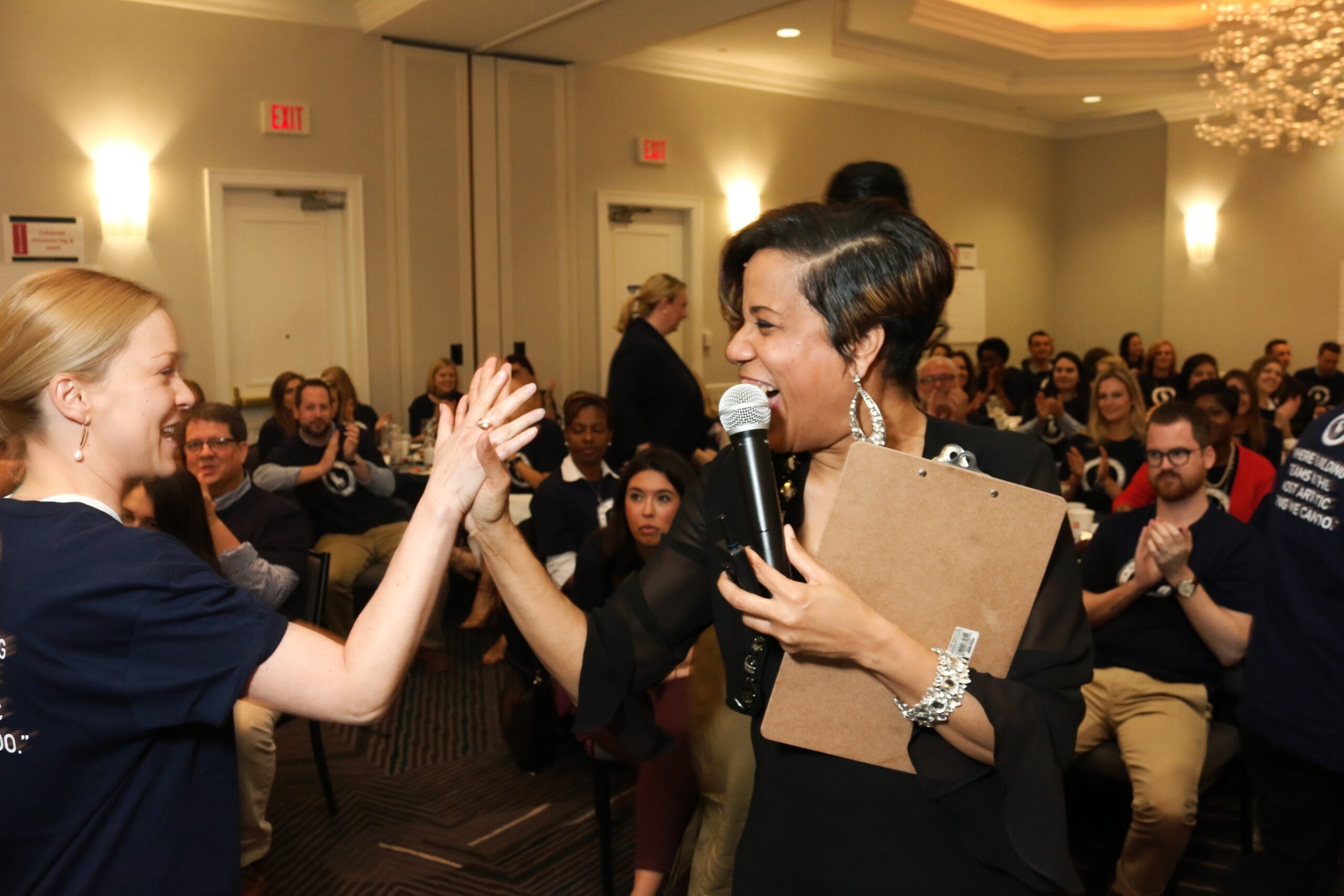
It’s PlayTyme Game Shows builds exactly this kind of experience for corporate teams across New Jersey, New York City, and Connecticut. Their interactive game show events bring the energy and format of a real TV game show directly to your venue, turning coworkers into teammates competing in trivia rounds, physical challenges, and high-energy group activities. The result is a room full of people who are laughing, strategizing, and connecting in ways that a conference room never produces.
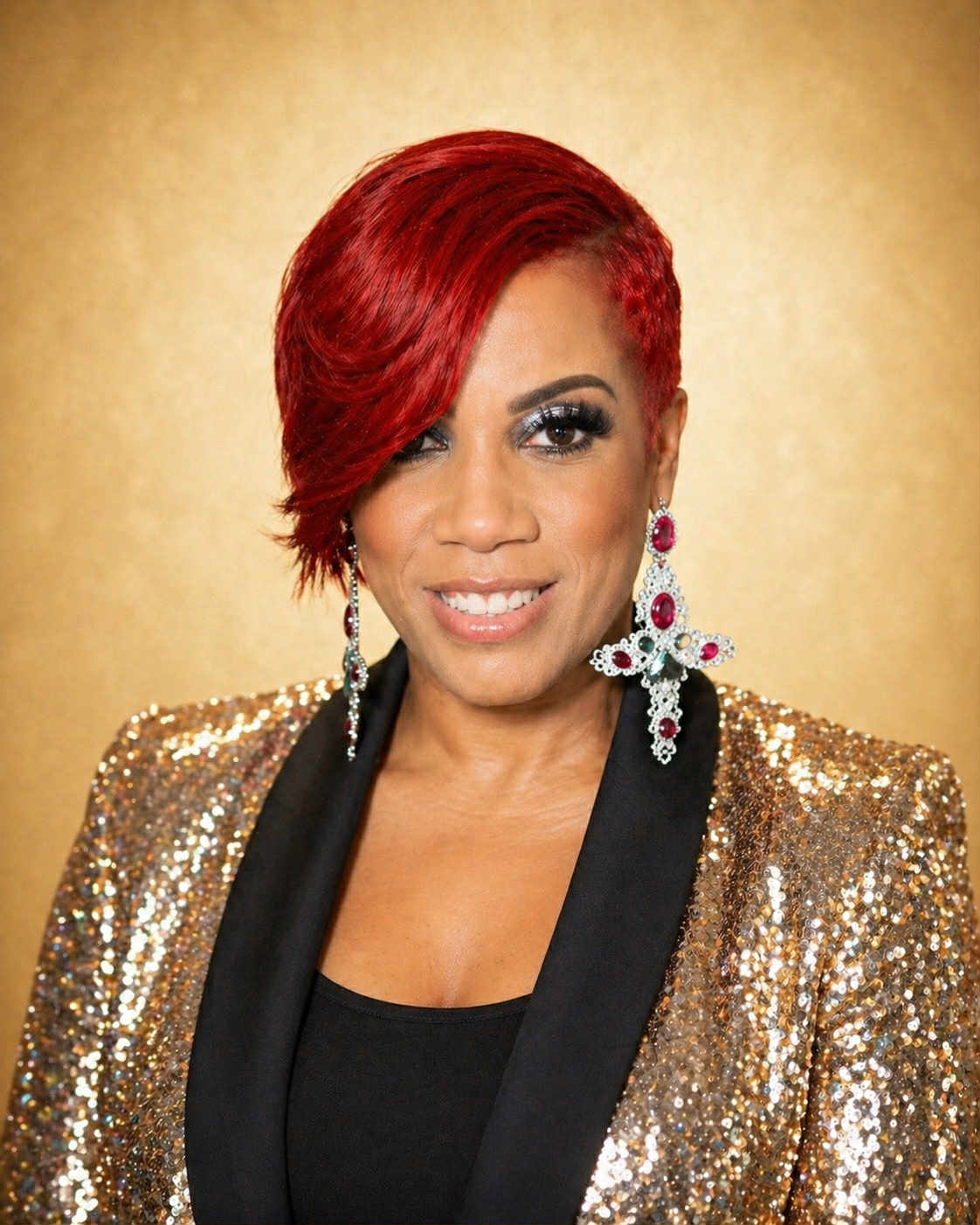
What makes this approach different from generic team-building exercises is the production quality and engagement design. Every event is hosted by a professional emcee, uses real game show equipment (buzzers, scoreboards, sound effects), and is customized to fit the group’s size and goals. Teams walk away with inside jokes, renewed energy, and stronger working relationships. That momentum carries back into Monday morning.
Recognize Wins Before They Fade
Recognition has a short shelf life. Acknowledging a project three weeks after completion feels like an afterthought. Acknowledging it the same day it ships feels like genuine appreciation.
Build recognition into your weekly rhythm. Start team meetings with a 2-minute “wins” segment where anyone names something a colleague did well. This is free, takes almost no time, and shifts the team’s attention from problems to progress.
Peer-to-Peer Recognition Matters Most
Manager praise is valuable, but peer recognition carries a different weight. When a coworker notices your effort, it validates your contribution within the group. Encourage lateral recognition through Slack channels, shout-out boards, or structured peer feedback sessions. The more sources of recognition, the more consistently people feel their work matters.
Create an Environment That Supports Focus
Motivation suffers when the physical or digital workspace actively works against concentration. Open offices with constant interruptions, overloaded meeting schedules, and noisy Slack channels all fragment attention and drain cognitive energy.
Practical changes make a real difference:
- Block “no-meeting” windows of at least 3 hours for deep work.
- Establish norms around Slack response times so people stop monitoring messages constantly.
- Give employees control over their workspace setup (headphones, quiet zones, flexible hours).
Autonomy is a core driver of intrinsic motivation. When people control how and where they do their best work, they bring more energy to that work.
| Strategy | Best For | Effort Level | Impact Timeline |
|---|---|---|---|
| Clear weekly goals | Individual focus | Low | 1-2 weeks |
| Peer recognition program | Team morale | Low | 2-4 weeks |
| No-meeting focus blocks | Deep work productivity | Medium | 1-2 weeks |
| Interactive team events (game shows) | Team bonding & energy reset | Low (outsourced) | Immediate |
| Manager coaching on feedback | Long-term culture shift | High | 1-3 months |
Invest in Experiences, Not Just Perks
Free snacks and ping-pong tables were the motivation strategy of the 2010s. They do not work because they address comfort, not connection. Employees do not become more motivated because the break room has better coffee. They become more motivated because they feel part of something and because their colleagues feel like allies rather than strangers.
Experiential investments (team outings, collaborative challenges, celebration events) produce stronger returns because they create shared memories. A team that competed together in a game show last month references that experience during stressful weeks. Those shared reference points build resilience and camaraderie that no perk shelf replicates.
Which Motivation Strategy Fits Your Team Right Now
Not every team struggles with motivation for the same reason, so the fix is never one-size-fits-all. Start by identifying the root cause. If the issue is burnout, focus blocks and workload audits come first. If the problem is disconnection, invest in team-building experiences before launching a recognition program.
For teams in the New Jersey, NYC, or Connecticut area looking to reignite energy and strengthen connections fast, a professionally hosted game show event delivers results in a single afternoon. It’s PlayTyme designs every event around participation, competition, and fun, so no one sits on the sidelines.
Ready to give your team something to talk about? Get in touch with It’s PlayTyme to plan a corporate game show event that turns coworkers into a connected, motivated team.
Frequently Asked Questions (FAQs)
How do team-building activities improve workplace motivation?
Team-building activities break routine patterns and create shared positive experiences that strengthen trust between coworkers. When people feel connected to their colleagues, they communicate more openly, collaborate more willingly, and bring more energy to group projects. Interactive formats like game shows are especially effective because they require active participation from everyone.
What causes employees to lose motivation at work?
The most common causes are lack of recognition, unclear goals, weak relationships with colleagues, and sustained high workloads without recovery time. Remote and hybrid work arrangements amplify these factors by reducing spontaneous social interaction. Addressing even one of these drivers produces noticeable improvements in engagement.
Are game show events effective for corporate team building?
Yes. Game show events combine competition, humor, and collaboration in a format that naturally draws people in. Unlike passive activities (lectures, dinners), game shows require every participant to engage, strategize, and interact. Companies across New Jersey, NYC, and Connecticut use It’s PlayTyme’s events to reset team energy and build stronger working relationships in a single session.