
Global employee engagement dropped to just 20% in 2025, its lowest point since 2020, costing the world economy an estimated $10 trillion in lost productivity according to Gallup. At the same time, The Conference Board reported that overall job satisfaction hit a record high, with work-life balance overtaking compensation as the top workplace motivator for the first time in 22 years.
These two findings seem contradictory. Satisfaction is climbing, yet most workers remain disengaged. The gap between “satisfied enough to stay” and “engaged enough to perform” is widening. For HR directors, team leads, and executive planners, that gap represents real losses: higher turnover costs, weaker collaboration, and declining output from teams that show up but check out.
The numbers tell a story most organizations already feel. Meetings drag. Cross-department communication breaks down. New hires struggle to connect with colleagues. Annual surveys return lukewarm scores, and the response is often another policy memo rather than a hands-on intervention. Understanding where job satisfaction stands right now (and where it falls short) is the first step toward fixing what is broken.
What the Latest Job Satisfaction Statistics Show in 2026
The data from multiple research bodies paints a detailed picture of the modern workforce. Gallup’s 2026 State of the Global Workplace report, surveying over 263,000 respondents across 160 countries, found that only 20% of employees worldwide are engaged at work. In the United States, that figure sits at roughly 31%, still leaving more than two-thirds of the workforce either passively present or actively working against their employer’s goals.
The Conference Board’s annual survey recorded a 5.7 percentage-point jump in overall satisfaction, the largest single-year increase since the survey launched in 1987. Gains appeared across nearly all 26 measured components, with non-compensation factors like workload management, performance reviews, and schedule flexibility showing the steepest improvements.
SHRM’s 2026 State of the Workplace research added another dimension: 91% of workers whose organizations effectively address workplace needs report satisfaction, compared to just 44% among those who view their employer as ineffective. The takeaway is clear. Satisfaction is not about perks. It is about whether the organization follows through on what it promises.
Why Employee Engagement Keeps Falling
If satisfaction is rising, why does engagement keep dropping? The answer sits in how each metric is measured. Satisfaction captures whether employees are content with their conditions: pay, hours, benefits. Engagement measures emotional investment, discretionary effort, and connection to the company’s mission.
A worker who is satisfied with their salary and remote work policy still shows up disengaged when they feel isolated from colleagues, disconnected from leadership, or stuck in repetitive routines. Gallup’s data confirms this pattern. Of the global workforce, 64% are “not engaged” (present but uninvested) and 16% are “actively disengaged” (undermining team morale and productivity).
The cost is staggering. That $10 trillion productivity loss is not theoretical. It represents missed deadlines, lower quality output, higher absenteeism, and a revolving door of talent that forces constant rehiring. Organizations that treat satisfaction and engagement as interchangeable miss the real problem entirely.
The Work-Life Balance Shift That Changes Everything
For the first time in over two decades, employees rank work-life balance (28%) above compensation (27%) as their primary workplace motivator. This shift, documented by The Conference Board, reflects a permanent change in what workers expect from employers.
The implications for team-building and employee experience are significant. Workers who prioritize balance are not asking for less work. They are asking for work that respects their time and delivers meaning when they are on the clock. Monotonous all-hands meetings, forced “fun” activities during personal hours, and disorganized off-sites actively damage the balance employees protect.
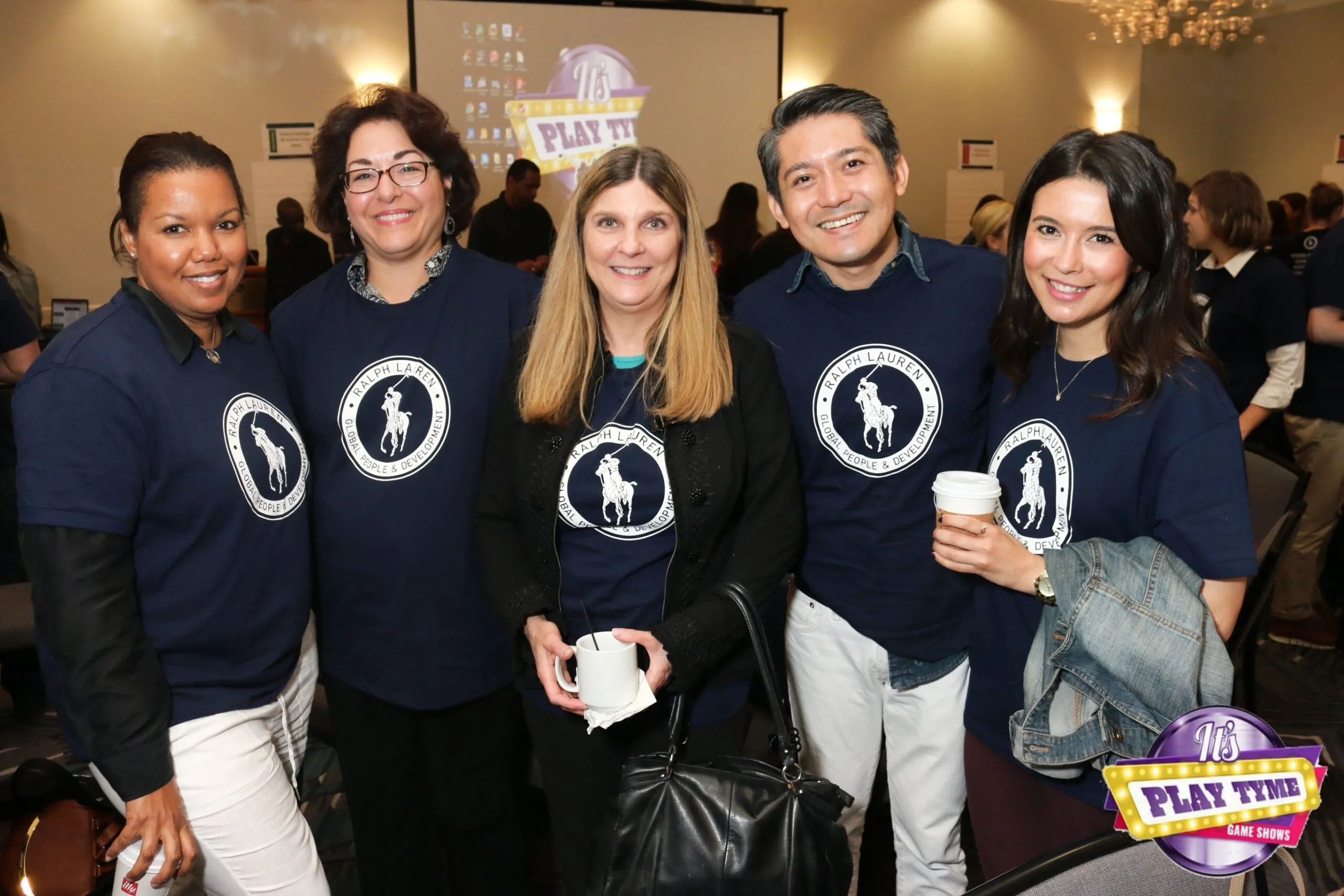
Effective team engagement fits inside the workday. It replaces a stale meeting block with something energizing rather than adding another obligation to an already full calendar. Companies like It’s PlayTyme Game Shows design interactive, professionally hosted game show events that occupy the same time slot as a standard team meeting but deliver measurably higher energy, participation, and cross-team connection.
Why Falling Manager Engagement Blocks Satisfaction Improvements
Despite record-high satisfaction scores at the macro level, individual organizations face persistent obstacles that prevent them from moving the needle on engagement.
The Manager Engagement Crisis
Gallup recorded the largest year-over-year drop in manager engagement between 2024 and 2025: a five-point decline from 27% to 22%. Since 2022, manager engagement has fallen nine percentage points total. Managers once held an “engagement premium” over the people they led. That premium has vanished. When managers are disengaged, their teams follow.
Generational Disconnect
Only 57.4% of U.S. workers under 25 report job satisfaction, compared to 72.4% of those 55 and older. This 15-point gap is the widest on record. Younger employees want social connection, visible career growth, and a workplace culture that feels genuine rather than performative. Standard onboarding and annual retreats do not close this gap.
Mental Health and Burnout
In 2025, 90% of U.S. workers reported at least one mental health challenge, the highest percentage since tracking began in 2019. Half of all workers described moderate to severe burnout, depression, or anxiety. Burned-out employees do not engage with team activities, volunteer for projects, or collaborate beyond the minimum requirement.
AI Anxiety
As of early 2026, 18% of U.S. employees believe their job will be eliminated by automation or AI within five years. Among workers at companies already using AI, that figure rises to 23%. Job insecurity suppresses engagement regardless of how satisfied someone is with their current role.
How Team Building Directly Improves Job Satisfaction Metrics
The research consistently points to the same drivers of both satisfaction and engagement: social connection, recognition, shared experiences, and a sense of belonging. Team building, when done well, addresses all four simultaneously.
Gallup’s own framework identifies “having a best friend at work” as one of 12 core engagement elements. Workers who have strong social bonds at work are seven times more likely to be engaged. Structured team events accelerate those bonds in ways that hallway conversations and Slack channels do not.
The key distinction is between passive and active team building. Passive approaches (happy hours, potlucks, optional social events) attract the already-social employees and leave introverts and remote workers behind. Active, facilitated experiences require full-group participation with built-in structure that makes every person part of the action.
It’s PlayTyme Game Shows operates on this active model. Their professionally hosted game show format puts every participant on a team, competing in rounds that require communication, quick thinking, and collaboration. No one sits in the back of the room checking email. The format works for groups of 20 to 300+, across corporate events, sales kickoffs, leadership retreats, and holiday parties throughout New Jersey, New York City, and Connecticut.
What Satisfied and Engaged Teams Have in Common
SHRM’s data reveals that organizations scoring high on both satisfaction and engagement share specific traits. They do not rely on a single annual survey to gauge morale. They build regular touchpoints into the work calendar that break routine and reinforce team identity.
| Engagement Driver | Impact on Satisfaction | How Team Events Address It |
|---|---|---|
| Social connection with colleagues | 7x more likely to be engaged | Shared competition and collaboration in a structured format |
| Recognition and visibility | 2x higher retention rates | Public wins, team awards, and group celebration |
| Sense of belonging | 56% higher job performance | Inclusive formats where every person participates |
| Manager involvement | Strongest single predictor of engagement | Managers participate as equals, not observers |
| Break from routine | Reduces burnout and monotony | Replaces a standard meeting with an energizing experience |
The pattern is consistent. Organizations that invest in structured, recurring team experiences see improvements across multiple satisfaction and engagement metrics simultaneously. The investment is not large. A single well-run team event during a quarterly meeting replaces hours of low-value agenda items while delivering measurable morale gains.
The Generational Gap and Why It Demands a New Approach
The 15-point satisfaction gap between workers under 25 and those over 55 is not closing on its own. Younger employees entered the workforce during or after the pandemic. Many have never experienced a traditional office culture with organic mentorship, hallway introductions, or team lunches. Their expectations for workplace connection are high, but their actual experience of it is limited.
Standard team-building approaches (ropes courses, trust falls, icebreaker questions) feel outdated to this generation. They want experiences that are genuinely fun, competitive, and social without feeling forced. Game show formats succeed here because they borrow from entertainment culture that younger workers already enjoy: competition, quick rounds, team strategy, and real-time scoring.
For older workers, the same format works because it is structured and respectful of time. There is a clear start, a clear finish, and a facilitator who keeps the energy high without requiring anyone to share personal stories or participate in awkward exercises. The format bridges the generational divide rather than highlighting it.
How to Turn Job Satisfaction Data Into Real Results
Reading job satisfaction statistics is useful. Acting on them is what changes outcomes. Here is a practical framework for translating the 2026 data into initiatives that move your team’s engagement scores.
Audit Your Current Approach
Review the last 12 months of team activities. Count how many were passive (optional social events) versus active (structured, facilitated, full-team participation). If the ratio favors passive events, your investment is reaching the employees who need it least.
Target the Manager Layer
With manager engagement at a historic low of 22%, any team-building initiative that excludes managers misses the highest-impact audience. Choose formats where managers participate alongside their teams as equals, not as organizers or spectators.
Schedule Quarterly, Not Annually
A single annual retreat does not sustain engagement across 12 months. Quarterly team events create recurring connection points that compound over time. Each event reinforces bonds formed at the previous one.
Measure Before and After
Run a brief engagement pulse survey before your first team event and again 30 days after. Track the same five to six questions each cycle. This gives you data to justify continued investment and identify which formats resonate with your specific team.
Choose Facilitated Over DIY
Internally organized team events place the planning burden on already-stretched managers and HR teams. Professionally facilitated events from companies like It’s PlayTyme remove that burden entirely. Their team handles setup, hosting, scoring, and energy management so your people focus on participating, not organizing.
If your organization serves the New Jersey, New York City, or Connecticut area, reach out to It’s PlayTyme Game Shows to book a team-building game show for your next quarterly meeting, leadership retreat, or corporate team-building event. One structured, high-energy session gives you a direct test of what the satisfaction data already proves: engaged teams perform better.
Frequently Asked Questions (FAQs)
What is the current global employee engagement rate in 2026?
Gallup’s 2026 State of the Global Workplace report found that only 20% of employees worldwide are engaged at work. In the United States, approximately 31% of workers are actively engaged. The remaining workforce is either passively present or actively disengaged, costing the global economy an estimated $10 trillion annually.
Why is job satisfaction increasing while engagement drops?
Satisfaction measures contentment with work conditions like pay, hours, and benefits. Engagement measures emotional investment and discretionary effort. Workers are more satisfied with flexibility and work-life balance improvements, but many still lack the social connection, recognition, and sense of purpose that drive true engagement.
How does team building improve employee satisfaction?
Structured team-building events strengthen the social bonds, recognition, and sense of belonging that research identifies as top engagement drivers. Gallup data shows workers with strong workplace friendships are seven times more likely to be engaged. Active, facilitated team events build those connections faster than passive social gatherings.
What do younger employees want from their workplace?
Workers under 25 report the lowest job satisfaction of any age group at 57.4%. They prioritize genuine social connection, visible career growth, and workplace culture that feels authentic. Interactive, competitive team experiences like game shows resonate with this generation because they mirror the entertainment formats they already enjoy.