

Only 20% of employees worldwide report feeling engaged at work, according to Gallup’s 2026 State of the Global Workplace report. That disengagement costs the global economy an estimated $438 billion in lost productivity each year. Meanwhile, research from SHRM shows that colleagues who share physical space at least 50% of the time are ten times more likely to feel they collaborate well. The takeaway is clear: getting people together in person, with a shared purpose, produces measurable results.
That is exactly what onsite team building activities deliver. Instead of shuttling your group to a rented venue or coordinating offsite logistics — a professional team brings the experience directly to your office, conference room, hotel ballroom, or parking lot. Everything arrives ready to go. You provide the people; the provider handles the rest.
Still, corporate planners face real obstacles when organizing these events. Budgets are tight, calendars are packed, and convincing leadership that a “fun activity” drives business outcomes takes more than enthusiasm. Many teams have also suffered through awkward icebreakers or forgettable trust falls that left employees more skeptical than connected. Finding an onsite team building activity that genuinely engages a mixed group (introverts, executives, new hires, remote workers visiting the office) is harder than most vendor websites suggest.
What Are Onsite Team Building Activities?
Onsite team building activities are structured group experiences hosted at a location of your choosing. The provider travels to you, sets up all equipment, facilitates the event, and breaks everything down afterward. Common formats include game shows, trivia competitions, problem-solving challenges, cooking demos, and creative workshops.
The onsite model removes two of the biggest barriers to team building: travel logistics and venue costs. There is no bus to charter, no restaurant to book, no liability waiver for an outdoor adventure course. Your team stays in familiar surroundings, which shortens the warm-up period and keeps the focus on interaction rather than navigation.
Who Benefits Most
- Companies with hybrid or distributed teams gathering for quarterly meetings
- HR departments running onboarding cohorts that need fast rapport
- Event planners filling a 60 to 90 minute block during a conference or leadership retreat
- Schools and nonprofits with limited budgets for offsite programming
What Holds Participants Back From Onsite Events
Planning onsite team building activities sounds simple on paper, but execution has real friction. Here are the obstacles planners encounter most often.
1. Low Buy-In From Participants
Employees who have endured bad team building in the past arrive with arms crossed. If the activity feels forced or childish, attendance drops and engagement stays flat. The format has to earn attention within the first five minutes.
2. Space and Setup Limitations
Not every office has a large open area. Planners need a provider that adapts to boardrooms, cafeterias, lobbies, and outdoor courtyards without requiring a stage, special wiring, or hours of setup time.
3. One-Size-Fits-All Programming
A trivia game designed for 20 people falls apart with 200. An activity that works for a sales kickoff feels wrong at a nonprofit fundraiser. Generic programming ignores the specific dynamics, size, and goals of each group.
4. Hidden Costs and Unclear Deliverables
Many vendors quote a base price, then add charges for equipment rental, travel, customization, and overtime. Planners end up defending a ballooning budget to leadership with no clear way to measure what the team actually gained.
5. Coordinating Schedules Across Departments
Getting 50 or more people in the same room at the same time is a project in itself. The activity needs to fit a tight window, start on time, and end when promised so the rest of the agenda stays on track.
Popular Formats for Onsite Team Building
Not all onsite team building activities produce the same outcomes. The format determines how deeply participants interact and how long the effects last. Here is a breakdown of common options and what each is best suited for.
| Format | Best For | Group Size | Setup Needed | Engagement Level |
|---|---|---|---|---|
| Live Game Shows | Large groups, mixed departments | 20-300+ | Minimal (provider brings all equipment) | High |
| Trivia Competitions | Knowledge-based teams, casual settings | 20-300+ | Screen and microphone | Medium |
| Cooking Challenges | Small creative teams | 10-40 | Kitchen or prep area required | Medium |
| Scavenger Hunts | Outdoor or campus settings | 20-100 | Mapped area, printed materials | Medium |
| Escape Room Kits | Small problem-solving groups | 5-30 | Separate rooms or stations | High (small groups only) |
| Workshop/Facilitated Discussion | Leadership development | 10-50 | Projector, seating | Variable |
Live game shows consistently rank highest for engagement across large, mixed groups because they combine competition, humor, and audience participation. Every person in the room has a role, whether they are at the front competing or cheering from their seat.
Why Game Shows Outperform Traditional Team Building Exercises
Traditional team building exercises (trust falls, rope courses, personality assessments) ask participants to be vulnerable before they are comfortable. Game shows flip that dynamic. Competition and humor lower defenses naturally. People laugh, strategize, and celebrate together without the forced intimacy that makes so many employees dread “team building day.”
A well-run game show also solves the spectator problem. In most activities, a handful of extroverts dominate while everyone else watches. Game show formats rotate contestants, poll the audience, and create moments where quieter team members contribute on equal footing. The energy stays high from start to finish because the structure demands it.
Game shows also compress impact into a tight window. A 60 to 90 minute show delivers more interaction than a half-day offsite because there is zero downtime. No waiting for instructions, no standing in line, no awkward silence between activities.
What It’s PlayTyme Game Shows Brings to Your Location
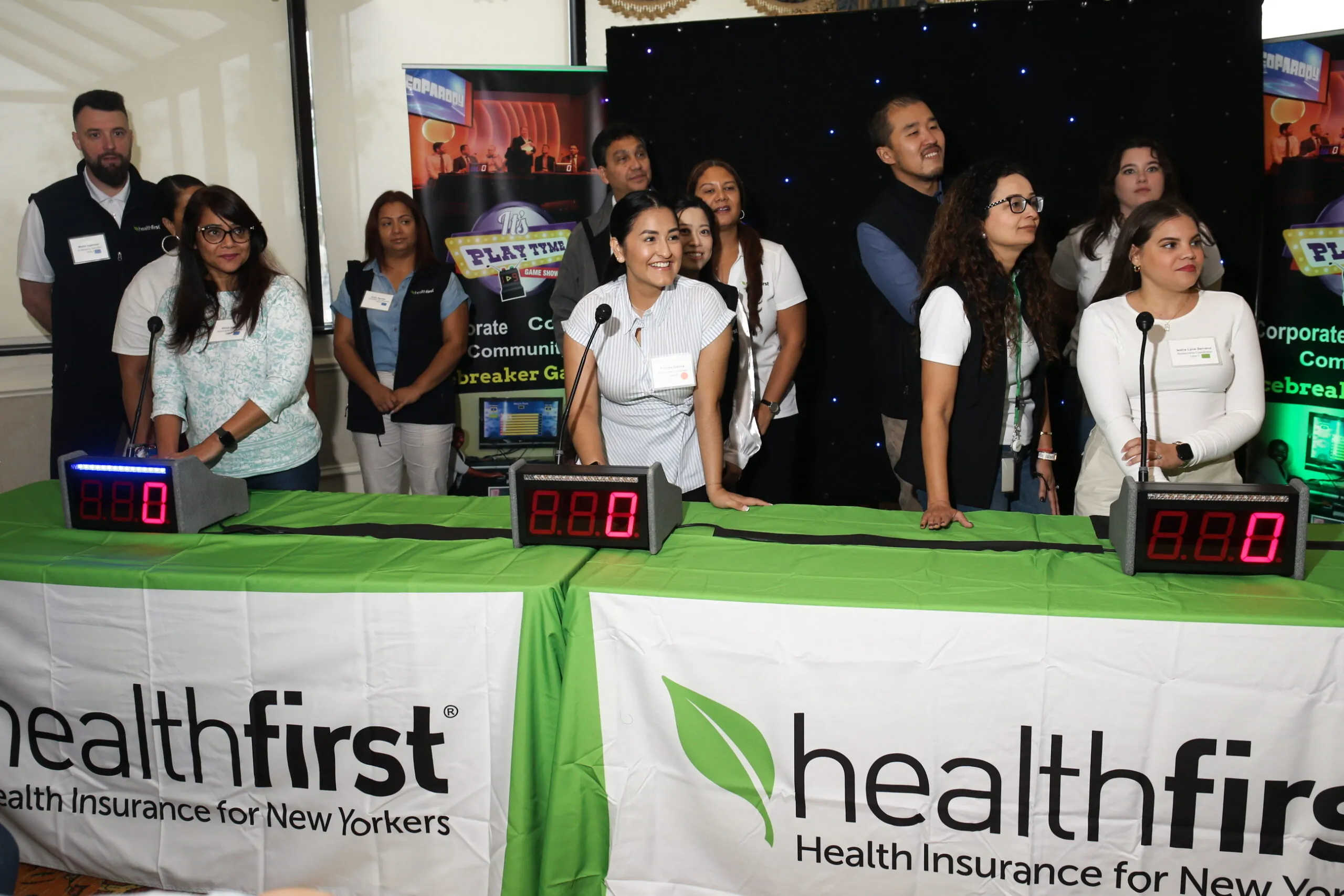
It’s PlayTyme Game Shows operates across New Jersey, New York City, and Connecticut with a model built specifically for onsite delivery. The company arrives at your chosen location with all equipment, sets up in under 30 minutes, runs the show, and packs out cleanly. There is no venue to book, no deposit required, and no AV rental to coordinate.
What separates It’s PlayTyme from generic activity vendors is specialization. This is not a catering company that added a trivia option to its menu. It’s PlayTyme runs professional, high-energy corporate game show programs designed to work in any space: office lobbies, hotel conference rooms, school gymnasiums, restaurant banquet halls, and outdoor pavilions. The shows scale from 20 participants to over 500.
Key Differentiators
- Full-service setup: Sound system, buzzers, scoring displays, and a live host arrive with the team. You provide a room and an electrical outlet.
- Customizable content: Questions and categories are tailored to your company, industry, or event theme.
- No upfront deposit: Booking requires zero money down, removing a common procurement barrier.
- Flexible scheduling: Shows fit into lunch breaks, conference agendas, holiday parties, and standalone team days. The recommended lead time is two to four weeks, but last-minute requests are accommodated regularly.
- Proven track record: 14+ years of live events across the NYC Tri-State area with consistent five-star reviews.
Making Onsite Activities Work for Remote and Hybrid Teams
The rise of hybrid work has made onsite team building activities more valuable, not less. When distributed teams gather once a quarter or twice a year, that in-person time carries enormous weight. A forgettable lunch meeting wastes the opportunity. A high-energy, structured activity turns a routine gathering into a highlight that employees reference for months.
Onsite game shows are particularly effective for hybrid reunions because they require no prior relationship between participants. New hires meet tenured staff through the shared experience of competition rather than forced small talk. The format also creates stories: the VP who botched the music round, the intern who swept the final category. Those shared stories become connective tissue for the team long after the event ends.
For planners coordinating a hybrid team’s in-person day, the logistics of an onsite activity matter as much as the content. A provider that arrives, sets up, runs the show, and leaves without requiring your team to manage anything is the difference between a smooth agenda and a stressful one.
Getting Leadership Buy-In for Onsite Team Building
Decision-makers approve team building when the case is framed in business terms, not morale platitudes. Here is what works.
Connect the Activity to a Business Outcome
Tie the event to a specific goal: onboarding cohesion for a new department, cross-team collaboration before a product launch, or morale recovery after a restructuring. A defined purpose makes approval straightforward.
Show the Cost Comparison
An onsite activity eliminates venue rental, transportation, catering minimums, and lost travel time. Present the all-in cost of an onsite game show against the fully loaded cost of an offsite outing. The onsite option almost always wins.
Quantify the Time Investment
A 90-minute onsite game show replaces a full-day offsite. That is a half day of productivity returned to every participant. For a team of 50, that is 200 reclaimed work hours.
What to Ask Before Booking Onsite Team Building
Start with three questions: how many people, how much time, and what outcome do you need? A group of 15 preparing for a strategy session needs a different format than 150 employees at an annual gathering. Match the activity to the moment, not the trend.
Next, evaluate the provider’s delivery model. Ask whether they bring their own equipment, how long setup takes, whether they need a specific room configuration, and what happens if your schedule shifts by 30 minutes. Providers who specialize in onsite delivery (rather than offering it as an add-on) handle these variables without surprises.
Finally, look for proof. Reviews, client lists, and video from past events tell you more than a polished sales page. A provider with hundreds of events behind them has already solved every logistical problem your venue will present.
If your team is in New Jersey, New York City, or Connecticut and you want onsite team building activities that arrive ready to run, explore the full program lineup from It’s PlayTyme Game Shows. Reach out directly to discuss your group size, date, and goals.
Frequently Asked Questions (FAQs)
What are onsite team building activities?
Onsite team building activities are structured group experiences where the provider travels to your location with all necessary equipment and facilitates the event on the spot. They work in offices, hotels, conference centers, and outdoor spaces. The host company handles setup, execution, and breakdown so your team focuses entirely on participation.
How much space do you need for an onsite game show?
Most onsite game shows require a room large enough for your group to sit comfortably, plus a small area at the front for the host and equipment. A standard conference room works for groups under 50. Larger groups use ballrooms, cafeterias, or open office areas. The provider adapts the setup to fit the available space.
How long does a typical onsite team building activity last?
Most onsite team building activities run between 60 and 90 minutes. Game show formats fit neatly into a lunch block, an afternoon break, or the opening segment of a conference. Setup typically takes 20 to 30 minutes before the event, and breakdown is equally fast.
Are onsite team building activities effective for large groups?
Yes. Game show formats in particular scale well to groups of 200 or more because they use audience participation, team-based rounds, and rotating contestants. Every person in the room stays involved rather than watching passively. The competitive format keeps energy high regardless of group size.
How far in advance should you book an onsite team building event?
Two to four weeks of lead time is ideal for most providers. This allows time to customize content, confirm logistics, and coordinate with your internal schedule. Some providers, including It’s PlayTyme Game Shows, accommodate last-minute bookings when the calendar allows.