
Every principal knows the sound of an assembly dying. Six hundred students file into the gym, the microphone squeals, and within ninety seconds the back rows are on their phones. The money is already spent. The room is already gone. That room matters more than the invoice: Attendance Works reports that at least 14.7 million students were chronically absent in the 2020-21 school year, almost double the pre-pandemic count, and students show up for buildings where they feel like they belong.
The budget math is just as tight. U.S. public schools spend an average of $18,614 per pupil, according to the National Center for Education Statistics, so every activity line competes with instruction. Anything you spend on school climate has to earn its place against that number.
So the question is not what a school assembly program cost looks like on paper. It is what the money buys once the doors close. This guide covers what shapes the cost of a professionally hosted, interactive game show, the budget lines districts actually use (student activity, PTA or PTO, PBIS reward funds, SEL and school climate), and how to size the request for your building.
Key Takeaways
- School pricing is custom. Group size, show length, date, and location shape the quote.
- Schools, PTAs, PTOs, and districts get pricing built for school budgets, so ask for a quote instead of working from corporate rates.
- Participation beats attendance. A hosted game show puts students on the floor instead of in a lecture.
- Per-student cost drops fast with scale. The fuller the room, the less each student costs.
- Funding typically comes from the student activity account, the PTA or PTO budget, a PBIS reward line, or an SEL and school climate allocation.
- Service area: New Jersey, New York City, New York State, and Connecticut.
Challenges That Quietly Drain an Assembly Budget Before the Mic Turns On
Corny openers lose the room before the budget does
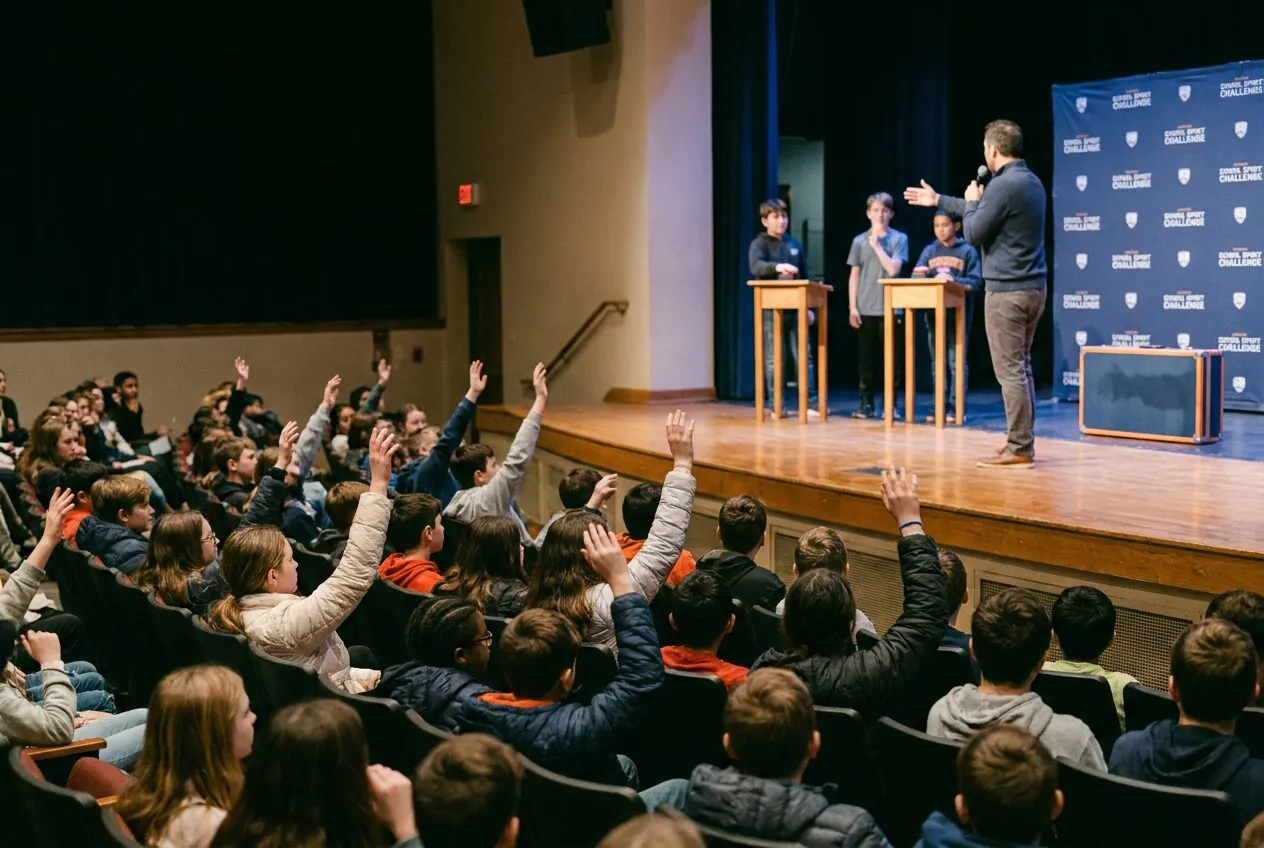
Middle and high school students read a forced opening activity instantly. The moment an adult tries too hard, arms cross and phones come out. A program that lands as childish wastes the entire spend, no matter how good the quote looked. What works is a format students already know from television, run by a host who lets the students be the funny ones.
Passive formats ask 300 teenagers to sit still
Most assembly budgets go to a solo speaker or a single performer. That model only asks the audience to listen. A gym full of teenagers will not hold focus on one voice for an hour, and staff end up walking the bleachers collecting phones instead of watching their students enjoy something. Flip the format so students compete, buzz in, and cheer for their homeroom, and the room polices itself.
One format rarely fits both sixth graders and seniors
A program built for elementary students dies in a high school gym, and the reverse is worse. Districts booking one vendor for several buildings need a vehicle that adjusts to the age of the room. Look for an interactive format that scales from 50 students in a cafeteria to 300 in a full gym without changing the core game.
Justifying an hour of instructional time
Money is only half the ask. The other half is the period you give up, and someone at the district office will want that hour defended. Tie the request to an outcome your school already tracks: attendance on the day of the event, referrals in the week that follows, or the climate survey question your building scored lowest on. An assembly that 600 students actually take part in gives you something to point at. A speaker they slept through gives you nothing.
Finding the budget line that pays for it
The price is rarely the blocker. The funding source is. Districts pay for assemblies from the student activity account, the PTA or PTO budget, a PBIS reward line, or an SEL and school climate allocation. Title I dollars carry their own restrictions, so confirm the source before you promise a date to your staff.
Getting the purchase order through the business office
A signed proposal is not a booking until the PO clears. Most business offices want a W-9 and a certificate of insurance first, and New York districts sometimes route enrichment purchases through a BOCES Co-Ser. Ask your business administrator which path applies in week one, not the week of the event.
What Shapes School Assembly Program Cost
School pricing is custom. It’s PlayTyme Game Shows builds quotes for schools, PTAs, PTOs, and districts around school budgets, not corporate rates. Every booking is a live game show run by a professional host, with the staging and sound brought in. Four things shape the number:
| What Shapes the Quote | What It Means for Your School |
|---|---|
| Group size | A student council or club, one grade level in a cafeteria, or a full gym rally or Project Graduation night |
| Show length | A 60-minute show, or a 90-minute show for a longer assembly block |
| Date | June and December book out first |
| Location | New Jersey, New York City, New York State, and Connecticut; travel outside that area may add a fee |
Your building provides the room, the students, and a standard power source. Ask for a school quote with your head count and date, and we will come back with a clear number.
Why a Live Game Show Moves a Gym That a Speaker Cannot
You want an engaged room and zero planning stress. A professionally hosted student engagement package for schools moves the entertaining off your plate. The formats are ones every student already understands: Face-2-Face Feud, Jeopardy-style trivia, and Name That Hit Song. No explanation needed, no warm-up required.
Everyone plays. Students who never raise a hand in class end up screaming for their homeroom. Teachers get pulled onstage and lose a little dignity, which students love. That shared hour is the whole point, and the game show is simply the vehicle that gets a gym there.
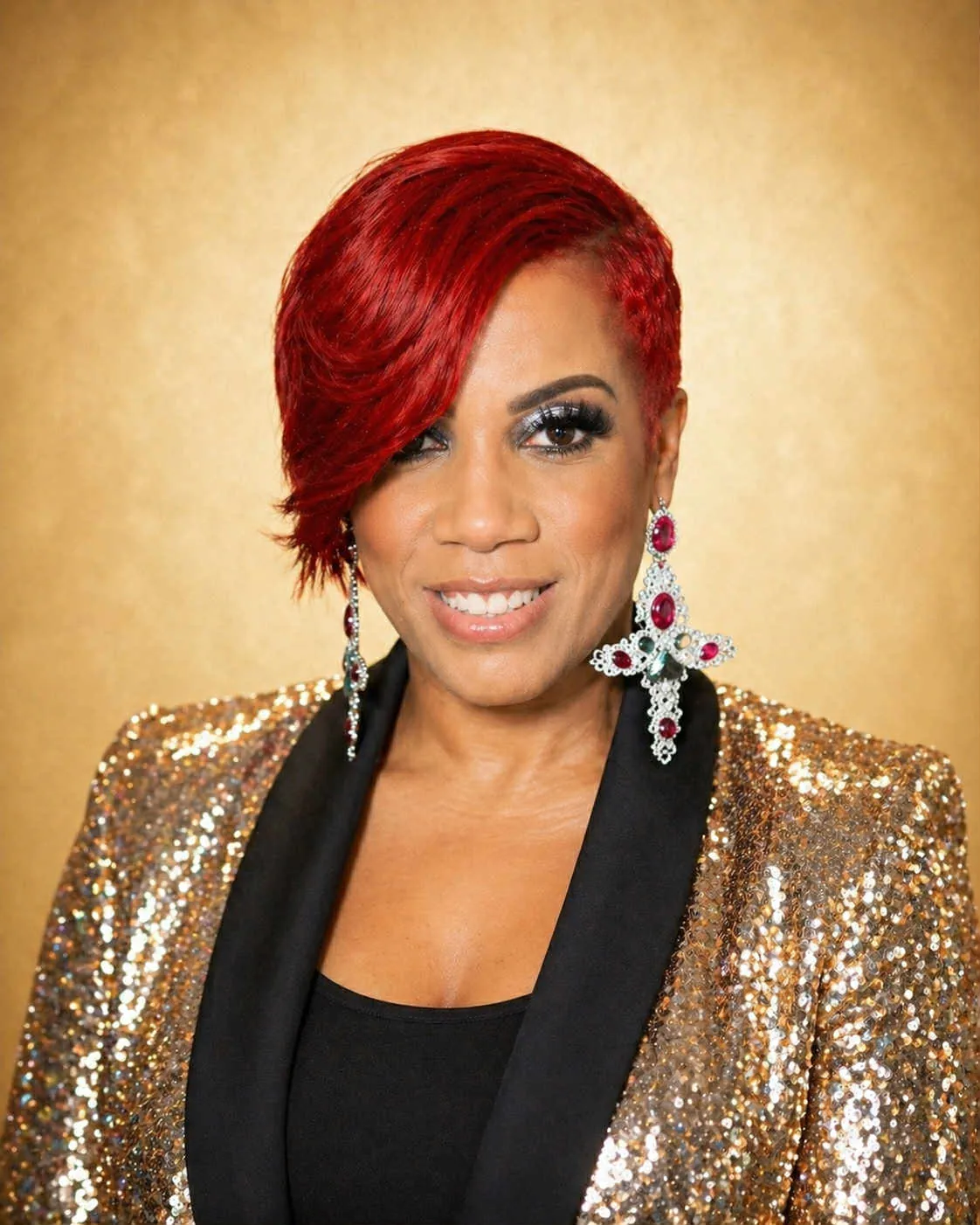
Founder Lisa Lawrence built the company on one idea: put real people in a room, give them a reason to compete, and they connect on their own. That has run across New Jersey, New York City, New York State, and Connecticut since 2012, across more than 3,000 live events. The students are the show. The host just keeps score.
What Corporate Budgets Teach Districts About Per-Student Cost
Administrators who look at how much corporate team building costs often assume schools pay the same premium. Corporate budgets carry offsite venues, catering, and travel. A school booking drops the same hosted experience into a gym you already own.
Run the team building cost per person math and the school case gets strong fast. Spread one hosted show across a full gym and the per-student cost drops well below what a corporate team pays per head. Same host, same formats, a much larger room.
How to Size the Right School Assembly for Your District
Start with the head count that will physically be in the room, not the enrollment number on the roster. A senior class kickoff or a single grade level is a very different room from a full middle school rally, a Project Graduation night, or an all-school celebration, and the quote reflects that.
Share that number when you ask for a quote. Confirm the funding line next, because a PBIS or SEL account clears the business office on a different timeline than a PTA check. Then check the calendar. June and December book out first, and the date decides more of these events than the budget does.
Ready to give your students an hour they still talk about on Monday? Get a quote and lock in your date. Every event is backed by a 100% satisfaction guarantee.
Frequently Asked Questions (FAQs)
How much does a school assembly program cost?
School pricing is custom. Schools, PTAs, PTOs, and districts get pricing built for school budgets, based on group size, show length (60 or 90 minutes), date, and location. Contact It’s PlayTyme with your head count and date for a clear quote.
Does the price change for a full gym versus one grade level?
Yes. Group size is the biggest factor in a school quote. A bigger room costs more in total, but the per-student cost drops as the room fills. Every booking covers the host, the staging, and the sound a full gym needs.
Can PBIS or SEL funds pay for a school assembly?
Those are two of the lines districts use most. Assemblies also get funded from the student activity account or the PTA or PTO budget, while Title I dollars carry their own restrictions. Ask your business administrator which line applies and whether a W-9 and certificate of insurance are needed before the purchase order clears. New York districts sometimes route enrichment purchases through a BOCES Co-Ser.