You know the signs. The heavy silence in a meeting. The flat response to a big company win. Morale is sagging, and most leaders feel stuck on what to do about it. Another awkward happy hour or a trust fall exercise feels like a risk, not a fix. The problem is everywhere. Gallup finds that only 20% of employees worldwide are engaged at work, so the vast majority are just going through the motions. The root cause is usually a missing connection to the team and the company’s purpose. Gartner reports that just 25% of employees feel connected to their company culture, and no amount of free pizza closes that gap.
The fix moves past forced fun. It centers on real, positive shared experiences. Strong team building activities to boost morale are not just a break from work. They are investments in your culture, your communication, and your bottom line. The trick is picking an activity that matches your goals and energizes people, instead of leaving them watching the clock.
| Activity Type |
Best For |
Morale Impact |
Host Involvement |
| It’s PlayTyme Game Shows |
Energizing large groups, warming up a room, celebrating wins |
High: competitive fun and shared laughter |
Fully hosted |
| Escape Rooms |
Small, analytical teams practicing collaboration |
Medium: focus on a single, intense goal |
Guided by venue staff |
| Volunteer Days |
Building purpose and community connection |
High: reinforces shared values and goodwill |
Coordinator-led |
| DIY Office Games |
Low-budget, informal gatherings |
Low to Medium: varies by participation and game quality |
Self-hosted |
| Skills Workshops |
Professional development, cross-functional teams |
Low: focus is on learning, not social connection |
Instructor-led |
| Outdoor Adventures |
Active groups building resilience through shared challenges |
High: creates memorable, hard-to-replicate experiences |
Guided by professionals |
What Is the Real Link Between Team Building and Morale?
Morale is the shared attitude, satisfaction, and confidence of a group. High morale makes teams productive, creative, and resilient. Low morale stalls productivity, breeds cynicism, and pushes your best people toward the door. Team building hits the core drivers of morale. It builds psychological safety, sharpens communication, and creates positive shared memories.
A good event breaks the formal hierarchy and routine of the workday. It lets employees interact as people, not job titles. That shared experience builds trust and team connection. When a team laughs together during a fast-paced game show or solves a puzzle as a unit, those good feelings follow them back to the office. The goodwill helps them handle the normal stresses and conflicts of work with more ease.
Why Morale Programs Fail in the Hybrid Workplace
Improving culture can feel like walking a tightrope. The biggest obstacle is cynicism. Plenty of workers have sat through “mandatory fun” that felt hollow, so they distrust anything new. Hybrid and remote work makes it harder, since you now have to connect people across locations and time zones.
The one-size-fits-all approach is another trap. An activity the sales team loves can feel like a nightmare to the engineers. Real inclusion goes past personality types. An event has to work for people with different physical abilities, social anxieties, and neurodivergent traits, so no one is forced to perform or left sitting on the sidelines. This is where a professionally hosted event beats a DIY attempt. An experienced host reads the room, offers ways to take part that fit different comfort levels, and adjusts the energy to pull everyone in.
Budget and proof are the next hurdle. Decision-makers have to defend the spend and show a return, which is hard when morale feels intangible. The internal cost is real too: someone on staff has to research options, schedule, and run the logistics, often on top of a full workload. A fully hosted experience answers both. It moves the planning and execution off your team, and a clear before-and-after in team connection gives you something concrete to report back.
The last challenge is momentum. A great event can lift the room for a week, then fade as the inbox takes over. The boost lasts when the experience connects to daily work: shared references people keep using, new cross-team relationships that outlive the event, and a rhythm of follow-up activities that keeps the connection alive.
Types of Team Building Activities and Their Morale Impact
Not all team building works the same way. The format you pick shapes the outcome and how much it lifts morale. Knowing the strengths of each type helps you match the activity to your team and your goals.
Hosted Game Shows: High-Energy Corporate Entertainment
A professionally hosted game show, like the experiences from It’s PlayTyme Game Shows, is one of the most effective team building activities to boost morale. The format is energetic, friendly-competitive, and built for full participation. A skilled host takes the work off the organizer and removes the awkwardness that sinks DIY events. They create an atmosphere of fun that pulls in even the most reserved people. Games like Face-2-Face Feud or Jeopardy-style trivia spark communication and teamwork in a low-stakes, high-energy setting. The result is real fun and a shared memory people talk about by Monday.
Collaborative Problem-Solving (Escape Rooms)
Escape rooms put a small group under pressure to solve a problem together. The format highlights individual strengths, sharpens communication, and builds a sense of shared achievement. The intense focus forges a strong team connection fast. The catch: small-group rooms are hard to scale for big departments, and the pressure is not fun for every personality type.
Community-Focused Activities (Volunteering)
Volunteering as a team connects employees to a bigger purpose and reinforces shared values. Supporting a community cause together builds deep team connection and real pride. It lifts morale by tying the team’s effort to a meaningful mission. The trade-offs are logistical. Finding the right non-profit partner and organizing the day takes time, and it works best when employees care about the cause.
How to Measure the Impact of Team Building on Morale
To justify the spend, measure the impact. Morale feels intangible, but you can track its signals. The most direct method is a pre- and post-event survey. Ask simple questions about team connection, satisfaction, and clear communication. Then compare the results to see if the needle moved.
Watch behavior, too. Is there more cross-department conversation in the days after the event? Do meetings feel more energetic? Are people still quoting jokes from the activity? Those signs point to a real morale boost. Over time, strong morale backed by regular team building raises retention and shows up in better performance.
How Often Should You Plan Team Building Activities?
There is no perfect frequency, but consistency beats scale. One expensive offsite a year does less than a steady rhythm of smaller events. A solid model: book one large, high-impact event each year or twice a year, like a hosted game show to launch the year or mark a big milestone.
Fill the gaps with quarterly or monthly low-lift activities. A team lunch, a short virtual game, a departmental challenge. That rhythm keeps the momentum going and signals that team connection is an ongoing priority, not a one-time fix. It shows people that their cohesion is part of how the company runs.
Choosing the Right Activity for Your Team Morale Goal
The right event comes down to two things: your goals and your people. Before you book, define what success looks like. Do you want to integrate new hires, celebrate a win, fix communication between two departments, or just re-energize a tired team? The goal sets the format.
Next, look at your audience. What is the group size, age range, and general mood? An event for 20 competitive salespeople looks nothing like one for 200 reserved accountants. Then weigh your resources. Do you have the time and skill to plan and run the event, or would a fully hosted solution deliver a better result?
A partner who handles every detail lets you and your team simply show up and enjoy it. A 100% satisfaction guarantee means you can focus on the outcome for your team.
For an event that delivers laughter, participation, and a real lift in spirits, a professionally hosted game show is a premier choice. It is a proven format that works for diverse groups of 20 to 300+ and delivers a genuinely memorable day.
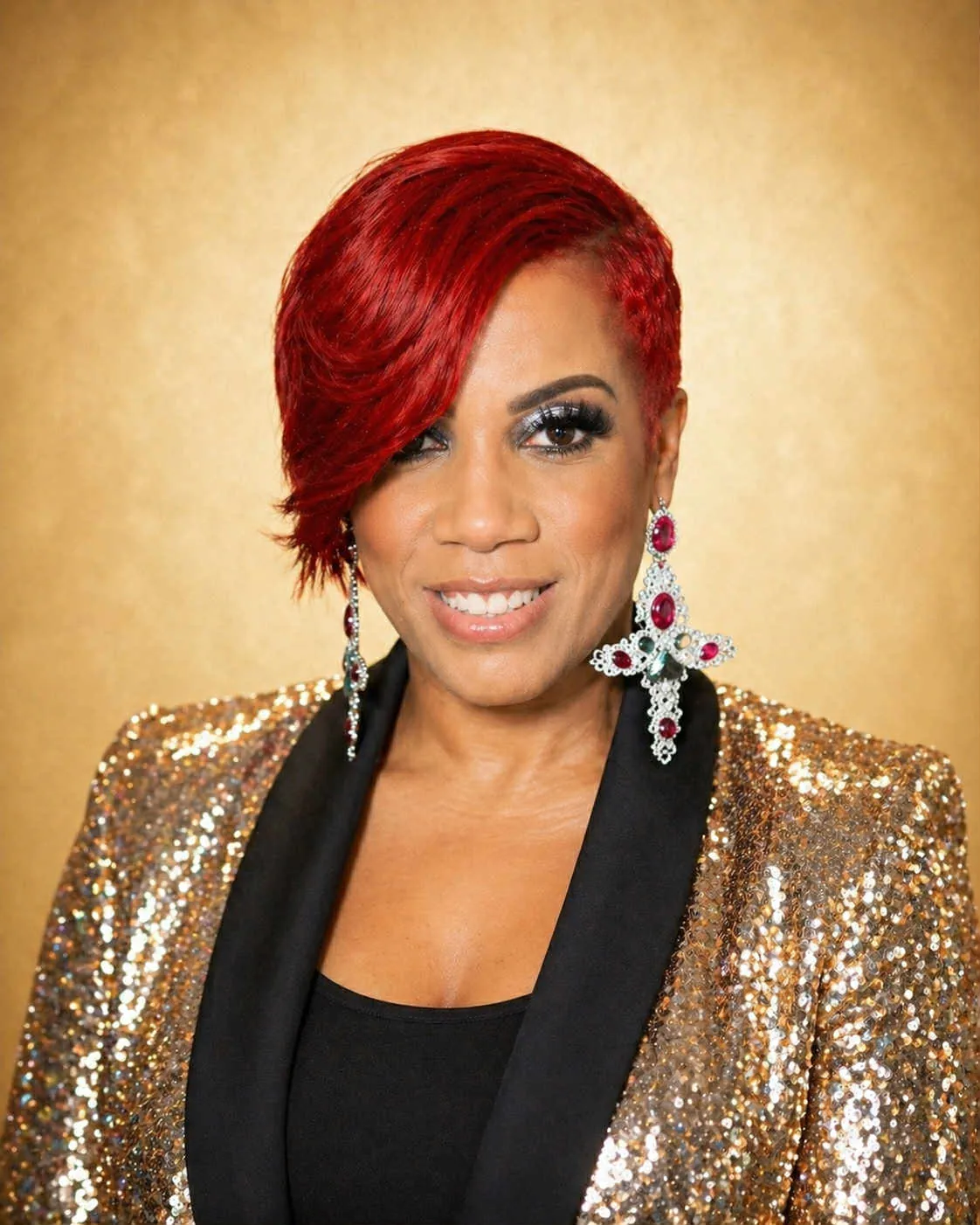
Ready to see how a fully hosted game show can transform your team’s energy? Contact It’s PlayTyme Game Shows to talk through your group and get a custom plan built by Lisa Lawrence, who has hosted interactive entertainment since 2012. Get started on our contact page.
Related: Indoor Team Building Activities at Work | 19 Best ideas | Boost Employee Spirit in 2025
Related: How to Build a Positive Team Culture Through Shared Experiences
Frequently Asked Questions (FAQs)
What are some fun team building ideas that aren’t awkward?
Skip anything that singles people out or forces a confession. The least awkward formats are hosted and high-energy: game shows like Face-2-Face Feud or Jeopardy-style trivia, where a professional host carries the room and everyone competes in small teams. Because the host sets the pace and the laughs, even reserved people join in without feeling put on the spot.
How can you boost morale for a remote team?
Boosting morale for remote teams takes intention. Virtual game shows, online problem-solving challenges, and collaborative digital whiteboard sessions all work well. Pick activities built for a virtual format and run by a host who keeps people involved through their screens.
How do you measure the ROI of team building?
Start with a pre- and post-event survey on team connection, satisfaction, and clear communication, then compare the scores. Track behavior too: more cross-department conversation, more energy in meetings, jokes from the activity still circulating. Over time, tie those signals to retention and performance numbers, since lower turnover and stronger output are where the return shows up.
How do you get employees excited about team building?
To beat cynicism, build anticipation and lead with the why. Frame the event as a well-earned break and a reward, not a mandatory task. A genuinely fun activity, like a game show, sells itself. Once people hear it is something exciting and not another lecture, their interest follows.