Quick answer: Team building after a merger works when it tackles three problems at once: two cultures, us-and-them thinking and uncertainty about what comes next. The strongest answer is a professionally hosted live game show where both companies play on mixed teams. Everyone takes part, the host runs the room, and people start working together.
The deal closes. The press release goes out. Leadership celebrates the bigger market share and the efficiencies on the slide deck.
Then comes the first combined all-hands. The acquiring company sits on the left. The acquired staff sit on the right. Nobody crosses the aisle.
Putting everyone in one room does not fix that divide. People retreat to who they know. They need a structured reason to interact, and they need it before early friction hardens into lasting resentment. That is the job of team building after a merger.
Merger Integration Challenges: Why Two Cultures Clash
Merging two companies creates tension on day one. Seven problems come up again and again in post-merger integration (PMI), and each one needs direct action.
- Us-versus-them thinking: The acquiring company treats its processes as the default. The acquired staff feel their past work is being erased. Every cross-functional project starts on the defensive.
- Culture clash: One company moves fast on verbal agreements. The other runs on consensus and documentation. Without a shared way of working, everyday decisions turn into turf disputes.
- Job uncertainty and talent exits: Acquisitions raise hard questions about overlapping roles and new reporting lines. Strong performers have options, and the ones who feel overlooked start taking recruiter calls.
- Lost institutional knowledge: Anxious employees hold onto what they know about clients, systems and workarounds. When they leave or stay quiet, that knowledge goes with them.
- Integration fatigue: Months of system migrations, policy updates and new approval chains wear people down. By the third all-hands about the new structure, nobody is listening.
- Leadership disconnect: Executives often treat the closed deal as a finished integration. They expect full productivity while frontline staff are still learning the new org chart.
- Communication silos: Legacy sales reps talk only to legacy sales reps. Acquired engineers hold back infrastructure knowledge from their new leads. That tribalism eats the efficiencies the deal was supposed to deliver.
The Integration Lead’s Brief
The person combining the two workforces has to turn a paper strategy into daily reality. They already know a happy hour ends with two groups at opposite ends of the bar. Their directive usually sounds like this:
“We need them talking to each other, not just sitting in the same building. We have overlapping departments, anxious managers and no trust. Fix the culture before we start losing our top performers.”
Internal leaders sit too close to the politics to force that interaction. A neutral host changes the dynamic in the room. That is where It’s Playtyme Game Shows comes in.
Since 2012, we have helped organizations across New Jersey, New York City and Connecticut solve the challenge of engaging large groups. Our professionally hosted live game-show experiences are the vehicle for participation. The integration lead no longer has to carry the room alone.
How a Hosted Game Show Fits Beside a Culture Workshop
Most integrations start in a conference room. HR walks through the new values, benefits and expectations. That session is necessary, but it is a presentation. People listen, take notes and go back to their desks unchanged.
You need an active half to the day. The morning is for taking notes. The afternoon is for putting the new values into practice.
Put legacy and acquired employees on the same team for a round of Face-2-Face Feud, our survey-style team format, and they have to communicate. Corporate politics drop away. The only goal is winning the round.
This is why game show team building works for M&A cultural integration. Everyone plays. The format is already familiar, so there is no learning curve. A professional host guides every moment and makes sure nobody feels singled out.
Here is how the common integration-day options compare.
| Approach | How people take part | Who ends up talking | Best for |
|---|---|---|---|
| It’s Playtyme hosted live game show | Everyone plays on mixed teams while a professional host runs every round | Legacy and acquired staff, on the same team | Groups of 20 to 300+ on an integration day or offsite |
| HR culture or values session | Listen and take notes | Presenter to room | Explaining the new structure, benefits and policies |
| After-work happy hour | Optional mingling | Mostly people who already know each other | Teams that are already comfortable together |
| Internally run activity | Volunteers step up while others watch | Whoever opts in | Small teams with a confident internal facilitator |
Handling the Reorganization Period
Reorganization is the most sensitive phase of any acquisition. New managers take over unfamiliar departments. People who worked side by side for years now report to different divisions.
When you bring a reorganized department together, curate the teams yourself. Never let people pick their own tables. Mix legacy and acquired staff on purpose.
That removes the pressure of forced networking. People get a low-stakes setting to see how their new colleagues think and communicate against the clock.
If the combined company includes remote staff, bring them in for the live event. Video calls handle the daily workflow, but they do not build the connection that comes from competing on the same team in the same room. We host groups of 20 to 300+ people, so the whole department plays together.
Executive Team Building After a Merger
Frontline employees are not the only ones feeling the friction. Senior leaders have to present a united front while competing for budget and influence in the new hierarchy. The rest of the company watches how they treat each other.
That calls for focused executive team building activities. Leaders need time away from the integration spreadsheets and board decks.
A competitive game show levels the field. The Challenge, our category board, rewards whoever knows the answer, not whoever holds the title. Word Play, our word puzzle, makes executives listen to new peers and share the spotlight.
Align the leadership group first. When executives work well together, their departments follow.
What Team Building After a Merger Looks Like on the Day
Plan for participation, not observation. A live game show gets people out of their seats.
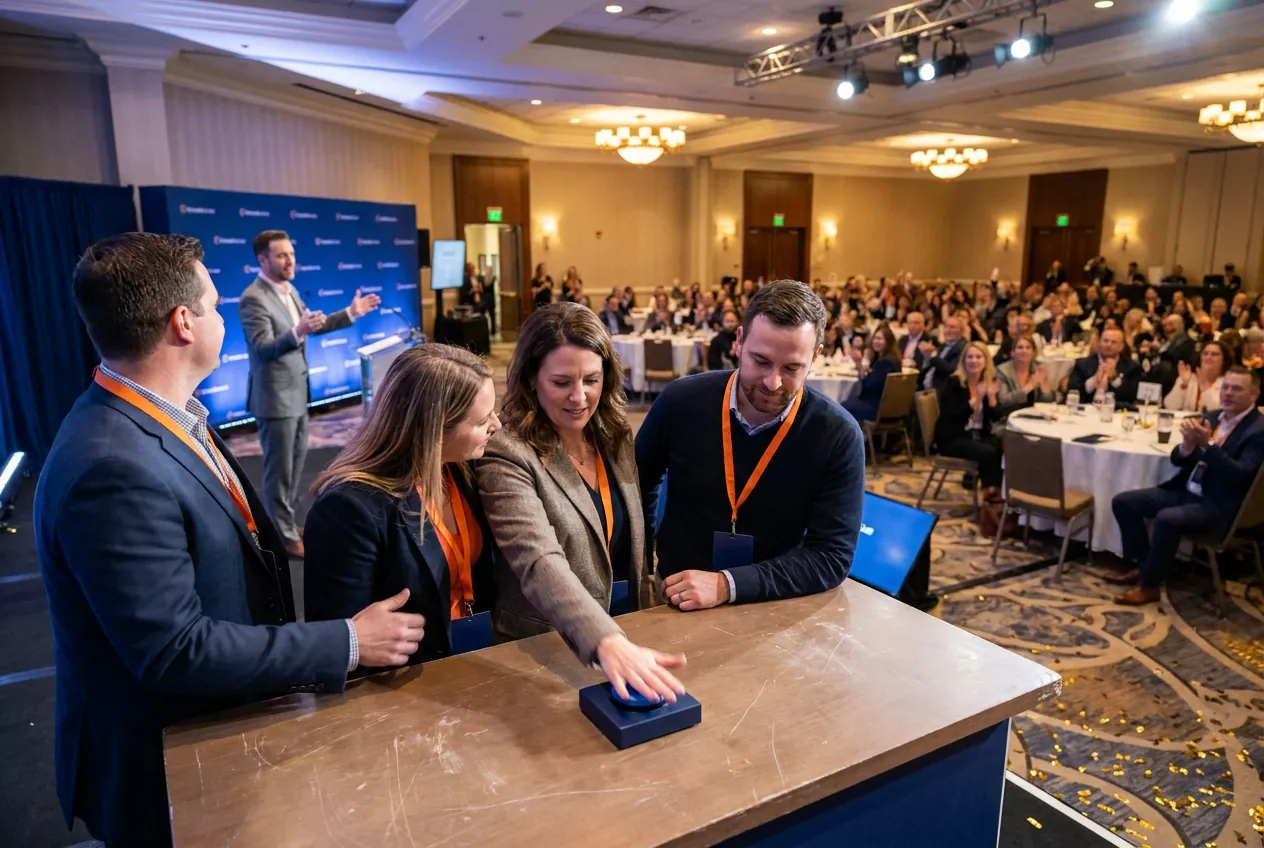
We bring the full production to your location: a professional host, TV-style podiums, buzzers, screens, LED lighting and a sound engineer. Setup, breakdown, delivery and travel within NJ, NYC and CT are included. Your team shows up and plays.
Shows run 60 or 90 minutes. 60 Seconds of Fame suits high-energy groups who like rapid physical challenges. Name That Hit Song brings out the competitive streak through music. Keep the pace fast, and people stop overthinking the social dynamic. They just play.
Fully hosted corporate experiences start at $2,995. See the full breakdown on our pricing page. Every booking carries our 100% Satisfaction Guarantee, and no deposit is required.
Four Questions to Ask Before You Book a Post-Merger Event
Some post-merger events make things worse. The bad ones rely on forced vulnerability, asking employees to share personal stories with strangers who might be competing for their jobs. Role-play and abstract exercises put people on the defensive. It is the same pattern behind why employees hate team building.
Ask four questions when you compare options:
- Does everyone play? If the format depends on volunteers, most of the room will watch.
- Is the format familiar? People should understand the rules in seconds so they can focus on each other.
- Is there a professional host? A good host reads the room, adjusts the pace, draws in quiet players and keeps the energy positive.
- Are the teams mixed? Legacy and acquired staff belong on the same side.
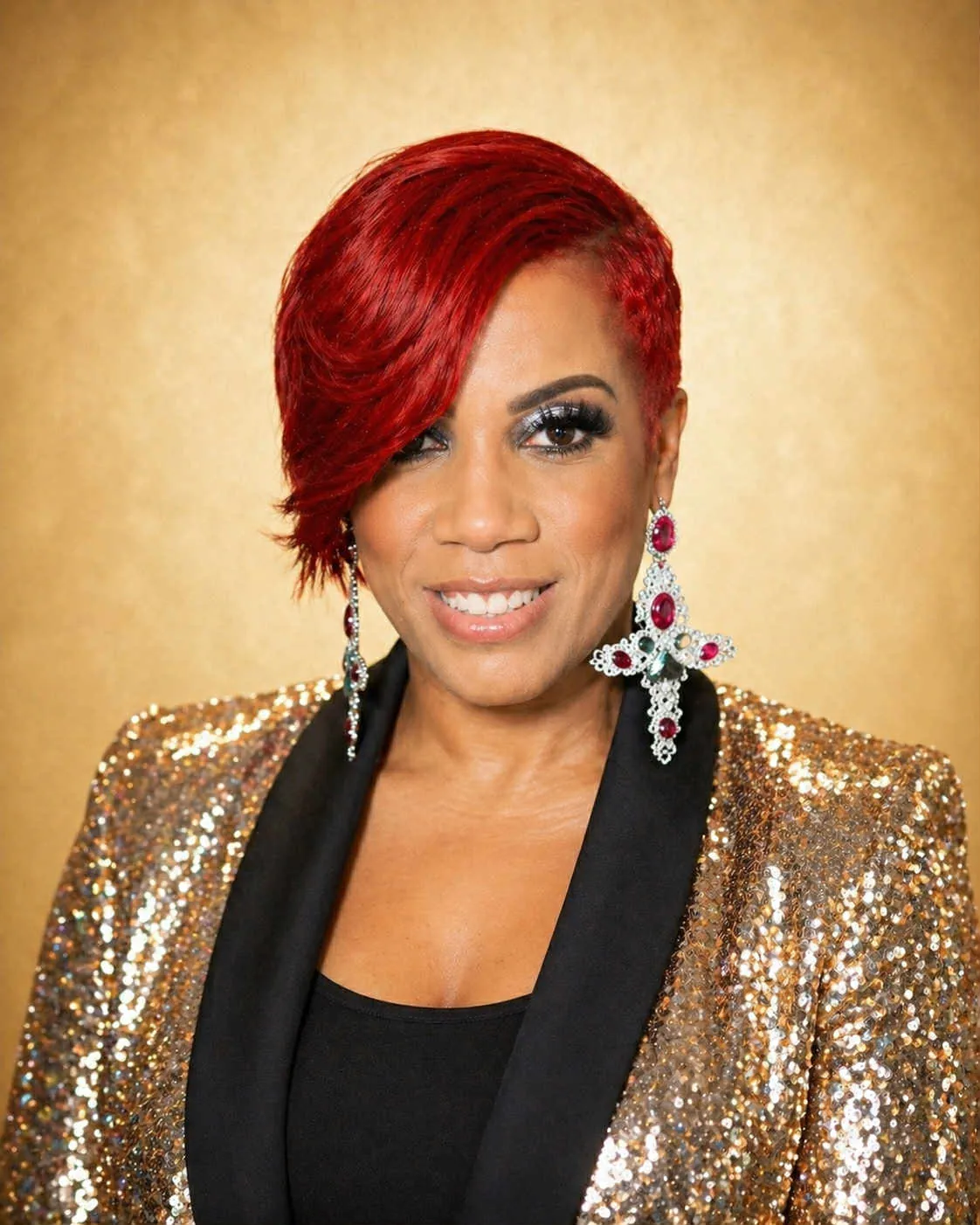
Lisa Lawrence started It’s Playtyme in 2012 after 20+ years as a choreographer, having watched a handful of people take part at event after event while everyone else spectated. That rule still drives every show: “Great events aren’t measured by how many people attend. They’re measured by how many people participate.”
When participation is built in, people connect. They communicate, collaborate and laugh together. By Monday morning, they remember each other’s names, and the line between the two companies starts to fade.
Ready to turn two workforces into one team? Tell us your date, group size and integration goal, and we will send a written quote within 24 to 48 hours. Get a custom quote for your post-merger team-building event.
Solve the participation problem
Ready to get the whole room in the game?
Frequently Asked Questions (FAQs)
Where does a game show fit on an integration day?
A hosted game show is the active half of an integration day, after the culture or values session. Shows run 60 or 90 minutes for groups of 20 to 300+, and everyone plays on a mixed team of legacy and acquired staff while the host runs the room.
How does team building help employee retention after an acquisition?
It gives acquired employees working relationships with their new colleagues early, while roles are still settling. Team building does not replace clear answers about jobs and reporting lines, but people who know and trust their new teammates have more reasons to stay.
How do you make acquired staff feel welcome?
Put them on mixed teams with legacy employees in a low-stakes, competitive setting. They interact as teammates and equals, not outsiders.
How do post-merger events improve morale?
They shift attention from uncertainty to a shared goal. A hosted experience gives both workforces a positive moment they share and talk about afterward.
What group sizes do you host for merger events?
We work with groups of 20 to 300+ people. Every person plays on a team, so no one spends the event spectating.
How long does a post-merger game show last?
Shows run 60 or 90 minutes. That fits easily into an integration day, offsite or leadership meeting agenda.