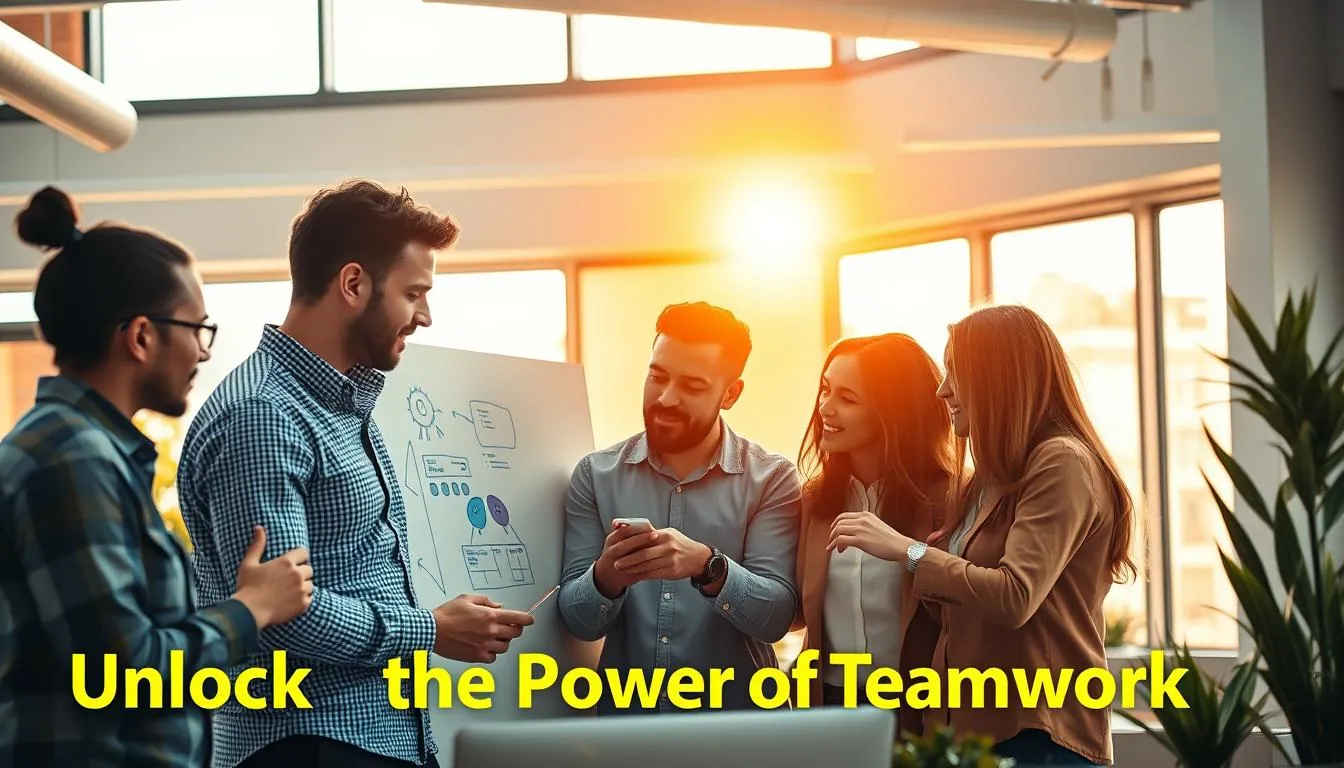
Tech companies invest heavily in talent, but keeping distributed, high-output teams connected requires more than a Slack channel and quarterly all-hands. According to Gallup, business units with high employee engagement see 21% greater profitability. Research published in the Harvard Business Review found that face-to-face communication patterns predict up to 40% of a team’s productivity variation, outweighing every other factor combined.
Those numbers make a clear case: the way your team interacts off-task directly shapes how they perform on-task. For tech companies scattered across the NJ, NYC, and CT corridor — structured team building is not a perk. It is a performance strategy.
Yet most tech managers run into the same wall. Engineers dismiss trust falls and icebreakers as a waste of time. Remote and hybrid schedules make logistics difficult. Activities that feel fun for sales teams fall flat with analytical, results-oriented developers. The real challenge is finding formats that respect how tech professionals think: data-driven, competitive, and allergic to anything that feels forced.
Why Tech Teams Need a Different Approach to Team Building
Software engineers, data scientists, and product managers solve structured problems for a living. They rank options, optimize processes, and track metrics. Generic team building activities ignore these instincts. A pottery class or cooking workshop gives no scoreboard, no measurable outcome, and no competitive structure.
Tech teams respond to formats where performance is visible, scoring is transparent, and quick thinking matters. That is exactly why game show formats work so well for this audience. It’s PlayTyme Game Shows builds corporate events around this principle: fast-paced rounds, real-time leaderboards, and publicly ranked outcomes that tap into the competitive energy tech professionals already bring to their work.
The format also solves a participation problem. Introverted team members who avoid open-ended social activities will engage with a structured quiz or puzzle challenge because the rules are clear. Everyone knows what “winning” looks like.
Biggest Obstacles to Team Building in Hybrid Tech Offices
Before choosing an activity, it helps to name the specific obstacles that make team building harder for tech organizations than for most industries.
- Hybrid and remote logistics. A team split between a Hoboken office, a Manhattan co-working space, and three home offices in New Jersey needs a format that works across locations, not just in one conference room.
- Engineer skepticism. Developers are protective of their time. Activities perceived as “corporate fluff” generate resentment, not cohesion. The format has to earn buy-in by being genuinely engaging.
- Cross-functional silos. Product, engineering, QA, and design teams often work in parallel sprints with limited interaction. Team building needs to mix these groups deliberately, not just bring the same pod together again.
- Scaling across team sizes. A 12-person startup and a 200-person engineering org need very different event structures. One-size formats rarely serve both.
Game Show Formats That Match How Tech Teams Think
Game shows are naturally aligned with tech culture. Rounds have time limits (think sprint reviews). Scoring is public (think dashboards). Questions test knowledge breadth (think cross-functional awareness). Here are formats that consistently land well with technical audiences.
Trivia-Based Competition
Teams of four to six answer questions across categories: general knowledge, tech history, pop culture, and company-specific rounds. Custom questions about the organization’s own products, inside jokes, or company milestones drive engagement further. A live host keeps energy high and pacing tight.
Buzzer-Round Challenges
Speed-based buzzer rounds reward quick recall and fast decision-making. For engineers used to debugging under pressure, this format feels familiar and satisfying. Teams rotate members through the hot seat, so everyone participates.
Survey Says (Family Feud Style)
Teams guess the most popular survey answers. This format reveals how well team members understand each other’s thinking, a direct parallel to estimating user behavior or predicting sprint outcomes.
Wheel and Board Games (Large Format)
Physical game boards and prize wheels add a tactile element that breaks the screen fatigue tech workers deal with daily. Standing up, spinning a wheel, and strategizing with teammates in real time shifts the energy away from keyboards and monitors.
In-Person Team Building Ideas for the NJ/NYC Tech Corridor
The stretch from Princeton to Parsippany to Hoboken to Midtown Manhattan is one of the densest tech corridors on the East Coast. Companies in this region have a geographic advantage: teams are close enough for in-person events, even when day-to-day work is remote.
For in-person events, a professional host brings full production (sound system, buzzers, scoreboards, branded game boards) directly to your office, event venue, or offsite location. This eliminates the need to coordinate transportation to an external activity center. The event comes to you.
Popular setups for NJ/NYC tech companies include:
- Half-day game show tournaments at the office during a sprint retrospective or planning day
- Full-day team events at offsite venues in Parsippany, Princeton, or Hoboken with multiple game rounds and meal breaks
- Post-conference or post-hackathon competitions in Manhattan hotel event spaces
- Onboarding events for new engineering cohorts, using trivia rounds about company culture, product lines, and team history
Hybrid and Remote-Friendly Team Building for Distributed Tech Teams
Not every team sits in the same ZIP code. Distributed engineering teams need formats that give remote participants the same experience as those in the room. A well-run hybrid game show solves this with a live host managing both in-person and virtual players simultaneously.
Remote participants join through a video link, answer questions through a shared platform, and see the same leaderboard updates in real time. The host acknowledges remote teams by name, keeps them involved in every round, and adjusts pacing so nobody feels like an afterthought.
This matters for tech companies specifically because many have adopted permanent hybrid models. A team building format that only works in one room excludes a significant portion of the workforce. Hybrid game shows treat both groups as equal participants.
How Competitive Scoring Drives Engagement in Analytical Teams
Gamification works in tech workplaces because it mirrors the metrics-driven environment employees already operate in. Public leaderboards, round-by-round score updates, and final rankings tap into the same instincts that make engineers track code coverage percentages and deployment frequency.
The scoring structure also creates natural conversation starters. Teams discuss strategy between rounds, debate answers, and replay close calls afterward. These interactions build the informal relationships that strengthen collaboration during actual work. A shared memory of a close trivia victory does more for team cohesion than a two-hour presentation on “communication styles.”
Score-based formats also provide organizers with measurable outcomes. You know which teams participated, how engagement tracked across rounds, and where energy peaked. For a data-oriented organization, that feedback loop matters.
| Format | Best For | Group Size | Remote Compatible | Engagement Style |
|---|---|---|---|---|
| Trivia Competition | Cross-functional mixing | 20-300+ | Yes | Knowledge & speed |
| Buzzer Rounds | High-energy teams | 10-80 | Yes | Fast recall |
| Survey Says | Understanding team dynamics | 20-150 | Yes | Collaborative guessing |
| Wheel & Board Games | Screen-fatigued teams | 15-100 | In-person only | Tactile & strategic |
| Custom Hybrid Show | Distributed tech orgs | 30-300+ | Yes | Full production |
How to Decide Which Team Building Format Fits Your Tech Team
Start with three questions. First, what percentage of your team is remote versus in-office? If more than a third works remotely, hybrid-capable formats are a requirement, not a preference. Second, what is the group size? Trivia tournaments scale to hundreds; buzzer rounds work best under 80. Third, what is the goal: onboarding new hires, breaking down silos between departments, or rewarding a team after a major release? The answer shapes the format, the question categories, and the tone.
Tech companies in New Jersey, New York City, and Connecticut have a strong local option. It’s PlayTyme Game Shows runs corporate game show events designed for exactly this audience: competitive, score-based, and built to engage analytical teams. Every event is hosted live, customized to your company, and scaled to your group size.
If your team is ready for a team building event that engineers actually look forward to, get in touch to discuss formats, scheduling, and pricing for your next event.
Frequently Asked Questions (FAQs)
What team building activities work best for software engineers?
Score-based, competitive formats consistently outperform open-ended social activities with engineering teams. Game show competitions, trivia tournaments, and buzzer-round challenges give engineers the structure, measurable outcomes, and fast pacing they respond to. Activities with clear rules and visible rankings earn higher participation and engagement than unstructured socializing.
How do you run team building for a hybrid tech team?
A professional host manages both in-person and remote participants through a shared platform. Remote team members join via video, answer questions in real time, and see the same leaderboard as those in the room. The host keeps pacing balanced so remote players are fully included in every round.
How large of a group works for a corporate game show?
Corporate game shows scale from groups of 20 to 300+ participants. Smaller teams work well with buzzer-round formats. Larger groups (100+) run best as trivia tournaments with teams of four to six competing across multiple rounds. The format and scoring adjust to fit the group size.
How long does a corporate team building game show take?
Most events run between 60 and 90 minutes, fitting easily into a half-day offsite or an afternoon team event. Longer formats (two to three hours) work well for full-day retreats or post-conference activities. The host adjusts round count and pacing to match your schedule.
Do game show events work for tech team onboarding?
Yes. Custom trivia rounds about company history, product lines, internal tools, and team culture turn onboarding into an interactive experience. New hires learn company knowledge while building relationships with existing team members. Several tech companies in the NJ/NYC area use this format for quarterly onboarding cohorts.
What does research say about face-to-face communication and team productivity?
Research published in the Harvard Business Review found that face-to-face communication patterns predict up to 40% of a team’s productivity variation, outweighing every other factor combined.