
Teams that genuinely like each other outperform teams that merely tolerate one another. Gallup research shows that the manager or team leader alone accounts for 70% of the variance in team engagement, which means every shared laugh and casual conversation a leader sparks has outsized impact. Meanwhile, McKinsey found that companies using social connection tools raise knowledge-worker productivity by 20 to 25 percent. The takeaway is clear: social interaction at work is not fluff. It is a performance driver.
Yet most teams skip the lighthearted stuff entirely. They jump straight into agendas, project updates, and quarterly reviews without ever pausing to connect as people. The result is a room full of colleagues who know each other’s job titles but not each other’s weekend hobbies, favorite foods, or go-to karaoke songs.
That gap shows up in real ways. New hires sit silently through their first month of meetings. Cross-department teams struggle to collaborate because they have zero rapport. Managers sense low energy but default to another trust fall exercise nobody wants. And when a company event rolls around, half the room stands against the wall with arms crossed. These are the moments where a handful of the right team bonding questions for work change everything.
Bonding Questions vs. Building Questions: Know the Difference
Not all team questions serve the same purpose. Team building questions tend to be strategic and goal-oriented: “What does success look like for Q3?” or “How do you prefer to receive feedback?” They belong in structured workshops and planning sessions.
Team bonding questions sit on the lighter, social end of the spectrum. They spark laughter, surface quirky personal details, and lower the invisible walls between colleagues. Think “What is the worst haircut you ever had?” or “If you could only eat one cuisine for a year, what would it be?”
Both matter. But bonding questions are what you reach for during pre-event warmups, the first five minutes of a Monday standup, a team lunch, or the opening moments of a company gathering. They require zero preparation, zero vulnerability coaching, and zero follow-up action items. They just work.
| Feature | Bonding Questions | Building Questions |
|---|---|---|
| Tone | Lighthearted, social | Strategic, goal-oriented |
| Best Setting | Warmups, lunches, events | Workshops, offsites, 1-on-1s |
| Prep Required | None | Moderate (context needed) |
| Vulnerability Level | Low | Medium to high |
| Outcome | Laughter, personal connection | Alignment, clarity, trust |
| Example | “What is your guilty pleasure TV show?” | “What skill do you want to develop this year?” |
The Problem With Generic Team Bonding Questions
Knowing that bonding matters and actually making it happen are two different things. Here are the real obstacles teams face.
Awkward Silence After the First Question
A manager asks “So, what did everyone do this weekend?” and gets three-word answers. Generic questions produce generic responses. The questions themselves need to be specific, surprising, and slightly absurd to break through social autopilot.
The “This Feels Forced” Problem
Adults resist anything that feels like a mandatory fun exercise. If the question sounds like it came from a corporate HR handbook, people disengage. The best bonding questions feel like something a friend would ask at a dinner party.
Mixed Comfort Levels in the Room
Introverts, new hires, and remote team members often hang back during open-ended social moments. The right questions give everyone an equal, low-stakes entry point instead of putting the spotlight on one person at a time.
Running Out of Fresh Material
Teams that use the same five icebreakers every week watch engagement drop fast. You need a deep bench of questions organized by category so you never recycle the same prompt twice in a quarter.
Lighthearted “Get to Know You” Questions for Coworkers
These are perfect for first meetings, onboarding sessions, or any time you want low-effort warmth. They reveal personality without requiring anyone to share anything deeply personal.
- What is the most unusual job you have ever had?
- If your life had a theme song, what would it be?
- What is a hobby you picked up during the last two years?
- What is the best meal you have ever eaten?
- If you could live in any fictional world, which one?
- What is something you are surprisingly good at?
- What is the first concert or live event you ever attended?
- If you had to teach a class on any topic, what would you teach?
- What is one thing on your desk right now that says a lot about you?
- What is a food combination you love that other people find weird?
Ask these round-robin style so everyone answers the same prompt. It keeps the energy moving and lets people riff off each other’s responses.
Funny Would-You-Rather Questions for Work
Would-you-rather questions force a choice between two absurd options, which naturally sparks debate and laughter. They work especially well in larger groups because everyone forms an instant opinion.
- Would you rather have your email tone always sound overly enthusiastic or extremely formal?
- Would you rather give every presentation in song or in rhyme?
- Would you rather have unlimited coffee for life or unlimited snacks at your desk?
- Would you rather always be five minutes early or always arrive exactly on time with zero margin?
- Would you rather swap jobs with your manager for a week or swap jobs with the newest intern?
- Would you rather have all your meetings standing up or lying down?
- Would you rather never use email again or never attend a meeting again?
- Would you rather have a talking office plant or a robot assistant that only communicates in riddles?
Pro tip: after each question, ask one or two people to defend their choice. The explanations are always funnier than the answers.
Hypothetical and Creative Team Bonding Questions
These questions push people into imaginative territory. They reveal how colleagues think, dream, and problem-solve outside of work contexts.
- If you won the lottery tomorrow, what is the first ridiculous purchase you would make?
- You are stranded on a desert island with three coworkers. Who do you pick and why?
- If you could have dinner with any person (alive or historical), who would it be?
- Your team has to open a restaurant together. What is the concept and who handles what role?
- If you could instantly master any skill, what would you choose?
- You get to add one rule to the office that everyone must follow. What is it?
- If our team were a band, what genre would we play and what is our band name?
- You wake up as CEO for a day. What is the first company-wide change you announce?
These work brilliantly as table conversation starters at corporate events, holiday parties, and team dinners. At It’s PlayTyme Game Shows, teams use questions exactly like these as warmups before diving into interactive game show competitions, and the energy shift is immediate.
Quick-Fire Icebreaker Questions for Meetings
Sometimes you have 60 seconds, not 10 minutes. These one-word or one-phrase answer questions keep the pace fast and the mood light.
- Coffee or tea?
- What is your current phone wallpaper?
- Last show you binge-watched?
- Morning person or night owl?
- One word to describe your week so far?
- Sweet, salty, or spicy?
- What emoji do you overuse?
- Window seat or aisle seat?
- What song is stuck in your head right now?
- Cats or dogs (no “both” allowed)?
Use these as a standing ritual at the start of weekly meetings. Rotate through a new one each week and watch how quickly it becomes the part of the meeting people look forward to most.
How to Use Team Bonding Questions at Work Events
Team bonding questions are not just for Zoom calls and Monday standups. They become powerful tools at corporate events, company outings, and team retreats when paired with the right format.
Pre-Event Warmups
Start any gathering with three to five bonding questions before the main activity begins. This breaks the ice faster than any name-tag exercise. Teams that warm up with lighthearted questions participate more actively in the event itself.
Table Rounds at Dinners and Galas
Print five questions on cards at each table. Assign a “question host” at each table who reads them out between courses. This prevents the common problem of tables splitting into two or three separate side conversations where half the group stays silent.
Pairing with Interactive Game Shows
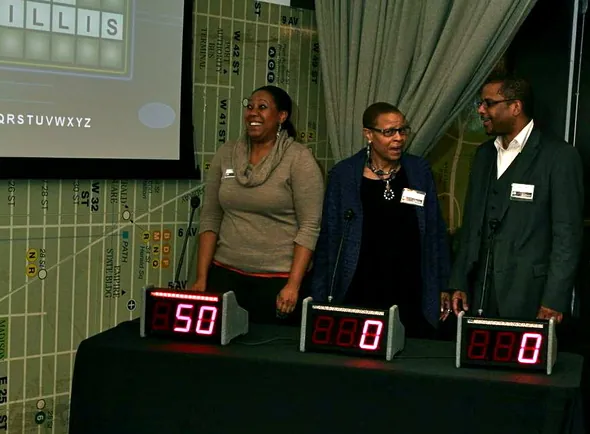
The strongest results happen when bonding questions lead into a structured activity. A round of funny icebreakers followed by a competitive team game show creates a natural arc: connect first, then compete together. It’s PlayTyme runs exactly this format for companies across New Jersey, New York City, and Connecticut, turning standard corporate gatherings into events people talk about for months.
Virtual and Hybrid Teams
For remote teams, drop one bonding question into the chat at the start of every video call. Give people 30 seconds to type their answers simultaneously (not one at a time). The chat lights up, energy rises, and the meeting starts on a completely different note.
Matching Bonding Questions to Group Size and Setting
Not every question works for every audience. Picking the right ones depends on three factors: group size, familiarity level, and setting.
For new teams or onboarding groups, stick with lighthearted get-to-know-you questions. Avoid anything that requires insider knowledge or references shared history the new person does not have yet.
For established teams that already know the basics about each other, escalate to hypothetical and would-you-rather questions. These reveal new layers and keep things fresh even for groups that have worked together for years.
For large groups (20+ people), use quick-fire questions that everyone answers simultaneously. Round-robin formats slow down dramatically past 12 people, so opt for show-of-hands polls, chat-based answers, or small-group breakouts with a question prompt at each table.
For formal events like galas, awards dinners, or client appreciation gatherings, keep questions universally safe and humor-forward. Skip anything about work habits or office politics. Lean into food, travel, entertainment, and silly hypotheticals.
The most reliable approach is to pair bonding questions with a professionally facilitated team experience. When a skilled host guides the energy in the room, even the quietest team members open up. That is exactly what makes It’s PlayTyme’s team building programs effective: trained hosts read the room, adjust the pace, and ensure every person participates without anyone feeling put on the spot.
Ready to turn your next team gathering into something people actually enjoy? Get in touch with It’s PlayTyme Game Shows to bring interactive game show energy to your workplace, corporate event, or team retreat across NJ, NYC, and CT.
Frequently Asked Questions (FAQs)
What are team bonding questions and how are they different from icebreakers?
Team bonding questions are lighthearted, social prompts designed to help coworkers connect on a personal level. Icebreakers are a broad category that includes bonding questions, but also covers structured activities and games. Bonding questions are the simplest form: no props, no rules, just a fun question and honest answers.
How many team bonding questions should I use in a meeting?
For a standard meeting, one or two questions at the start is enough to shift the energy without eating into the agenda. For dedicated team events or retreats, use five to eight questions spread across the session. Quality beats quantity, so pick questions that match your group’s personality.
Do team bonding questions work for remote and hybrid teams?
Absolutely. Remote teams often benefit even more from bonding questions because they lack the casual hallway conversations that in-office teams get naturally. Drop a question in the chat at the start of video calls and let everyone respond simultaneously. It creates shared energy even through a screen.
When is the best time to use team bonding questions at work?
The three strongest moments are the opening minutes of a meeting, the start of a team event or offsite, and during lunch gatherings. These are transition points where people shift from individual mode to group mode. A well-timed question accelerates that shift.
What makes a team bonding question effective versus awkward?
Effective bonding questions are specific, slightly surprising, and low-stakes. “What did you do this weekend?” is too generic and produces flat answers. “What is the most overrated food that everyone else seems to love?” is specific enough to spark genuine reactions. Avoid questions that touch on finances, relationships, or anything that forces vulnerability before trust is established.
Can team bonding questions actually improve productivity, or are they just fun?
Both. McKinsey research found that social connection tools raise knowledge-worker productivity by 20 to 25 percent. When colleagues know each other beyond job titles, collaboration becomes faster and more natural, which shows up in measurable output.