
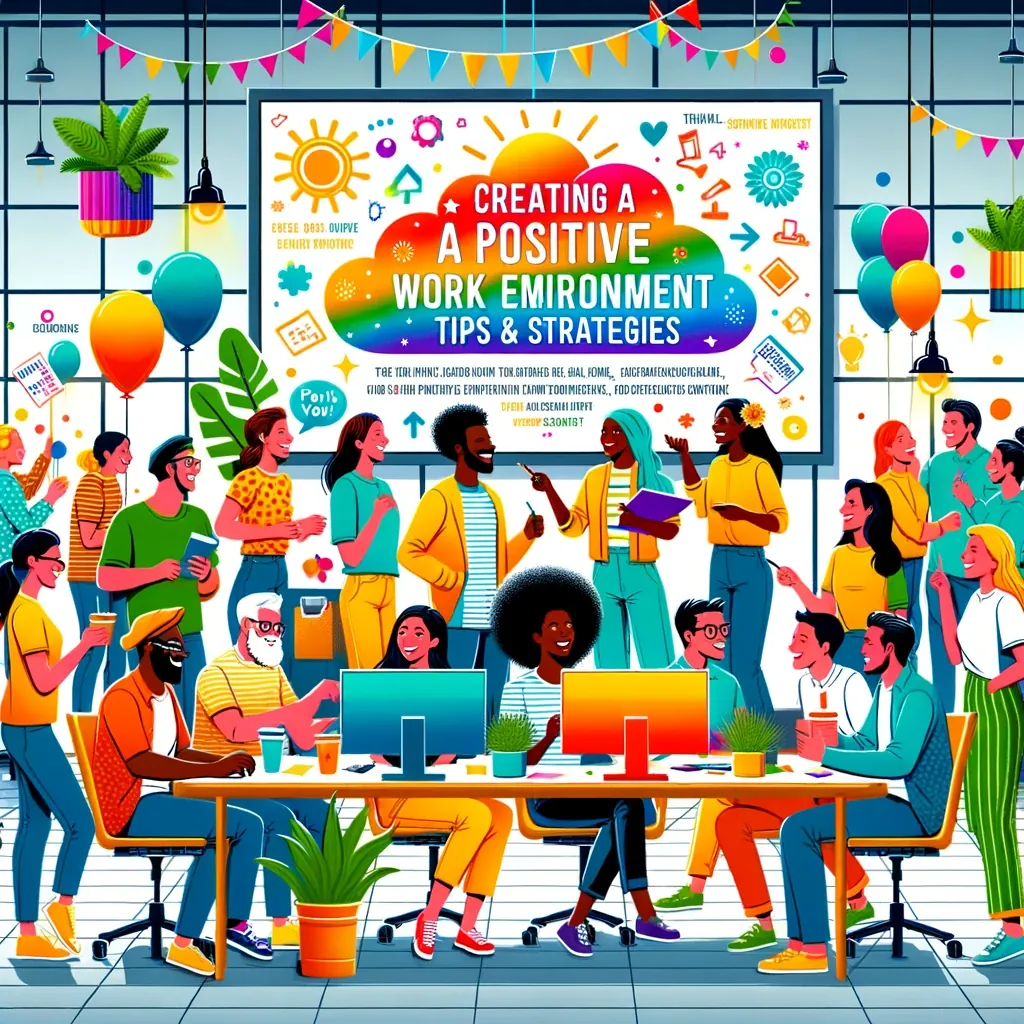

A positive work environment is the difference between a team that endures the week and a team that owns it. The gap is wide and well documented. Gallup’s State of the Global Workplace report shows that only about 23 percent of employees feel engaged, leaving the majority disconnected from their daily work.
That disconnection carries a price. Gallup’s analysis of how engagement drives growth ties positive, energized teams to higher productivity, lower turnover, and better customer outcomes. The encouraging part is that morale responds quickly to the right moves. Small, consistent tips, applied with intent, change how a workplace feels.
If you lead a team in New Jersey, New York City, or Connecticut, the obstacles are concrete. Recognition feels rare. Stress builds without release. Departments stay siloed, and hybrid schedules thin out the casual contact that once held people together. The tips below target each of these obstacles, and they treat experiential team activities as a morale lever rather than an afterthought.
This is a practical playbook of tips and strategies you can apply now. Pick the ones that fit your team and start this week.
Quick Answer
- Only 23% of employees feel engaged, leaving the majority disconnected from their daily work.
- Positive, energized teams produce higher productivity, lower turnover, and better customer outcomes.
- Morale responds quickly to the right moves; small, consistent tips change how a workplace feels.
- Recognition feels rare, stress builds without release, and departments stay siloed.
- Hybrid schedules thin out the casual contact that once held people together.
Tip 1: Make Recognition Frequent and Specific
Generic praise fades fast. Specific, timely recognition sticks. Name the exact behavior, mention the impact, and do it in front of peers when possible. Frequent recognition costs nothing and shifts morale faster than almost any other tactic.
- Praise the behavior, not just the result.
- Recognize a range of people, not only top performers.
- Make appreciation a weekly habit, not a quarterly event.
Tip 2: Use Experiential Activities as a Morale Lever
This is where many teams underinvest. Shared, hands-on experiences create energy and connection that no memo can match. A hosted team event resets a tired team, breaks down silos, and gives people positive memories they reference for months. It’s PlayTyme Game Shows brings interactive, professionally hosted game shows to companies across NJ, NYC, and Connecticut, with formats that pull everyone into the fun and turn coworkers into teammates.
The reason experiential activities work is participation. People are not watching a performance; they are part of the action. That active role is what converts a pleasant afternoon into a lasting morale boost.
Experiential activities also surface strengths that day-to-day work hides. A quiet analyst turns out to be quick under pressure, and a new hire reveals a sharp sense of humor. Those discoveries change how colleagues see each other, and respect follows. When you plan a morale program, treat the shared activity as the centerpiece, not the reward at the end. It is the part that does the heaviest lifting for connection.
Tip 3: Protect Wellbeing and Build In Release Valves
Sustained stress erodes even the strongest culture. Positive environments guard energy on purpose. Set realistic workloads, respect time off, and schedule moments of fun that let pressure escape. A team that never gets a break grows brittle, and small frictions turn into resentment. Planned fun is a pressure valve, not a luxury, and the best leaders treat it that way.
- Normalize breaks and full use of vacation.
- Rebalance work before people hit burnout.
- Plan lighthearted events after demanding stretches.
Tip 4: Break Down Silos Between Departments
Teams that never mix grow suspicious of each other and slow every cross-functional project. Create structured reasons for departments to interact. Mixed-team activities, where people from different functions compete together, build the personal relationships that make collaboration easy later. Once someone has a face and a shared joke attached to a name, a cross-department email gets answered faster and a tough negotiation goes smoother. Connection across silos is not a soft benefit; it is operational efficiency.
Tip 5: Give People Voice and Autonomy
People support what they help shape. Invite input on decisions that affect them, and give individuals room to own their work. Micromanagement signals distrust and drains morale, while autonomy signals respect and lifts it.
- Ask for input before finalizing changes that affect the team.
- Define outcomes and let people choose their path.
- Treat honest mistakes as learning, not as failure.
Tip 6: Create Traditions People Look Forward To
Morale compounds when positive moments repeat. Build traditions into your calendar: a quarterly team event, milestone celebrations, and small rituals that mark wins. Anticipation itself lifts mood, because people have something good ahead of them. Traditions also give a team its own identity, a set of shared references that new hires learn and that long-tenured staff feel proud of. That sense of belonging is what keeps morale steady when the work itself gets demanding.
The Traps That Sink Workplace Morale Efforts
Good intentions stall when predictable obstacles appear. Name them, and you can plan around them.
- One-and-done thinking: a single nice gesture fades. Morale needs a rhythm, so build recognition and events into a repeating schedule.
- Forced fun: awkward, mandatory activities backfire. Professional facilitation keeps energy genuine and inclusive.
- Hybrid distance: remote work removes casual contact. In-person anchor events restore the connection that screens cannot.
- Recognition gaps: the same few people get all the praise. Spread appreciation deliberately across the team.
- Leadership inconsistency: morale falls when managers do not model positivity. Hold leaders to the same standard you set for the team.
Quick Comparison: Passive Perks vs. Experiential Activities
Teams often default to passive perks because they are easy to buy. The table below shows why experiential activities deliver more durable morale.
| Factor | Passive Perks | Experiential Activities |
|---|---|---|
| Participation | Optional, often watched | Active, includes everyone |
| Connection built | Minimal | Strong, cross-team |
| Memory created | Short-lived | Referenced for months |
| Morale impact | Brief lift | Lasting boost |
What Actually Decides Which Morale Tip to Try
Start with the obstacle your team feels most. If recognition is thin, make appreciation a weekly habit first. If morale dipped after a heavy quarter, lead with an experiential activity that resets energy and reconnects people. The best tip is the one that solves today’s problem, and the rest build on the momentum it creates.
For tri-state teams, a professionally hosted event is a fast way to apply the recognition, connection, and silo-breaking tips at once. To plan one, visit /contact and tell us your goals. Explore formats for your next corporate event or a dedicated team building experience built around participation and morale.
Frequently Asked Questions (FAQs)
Why include team activities in a positive work environment plan?
Activities build the relationships and trust that daily processes cannot. Active, shared experiences create memories and connection that lift morale for months. Participation is what turns a fun afternoon into lasting engagement.
Do these tips work for hybrid teams?
Yes, hybrid teams benefit even more because casual contact is scarce. In-person anchor events restore connection that screens remove. Frequent recognition and clear communication carry the rest online.
How do we keep positive momentum from fading?
Turn good moments into repeating traditions on a fixed calendar. Celebrate wins, mark milestones, and reference shared experiences often. Rhythm prevents morale from sliding back after a strong stretch.