

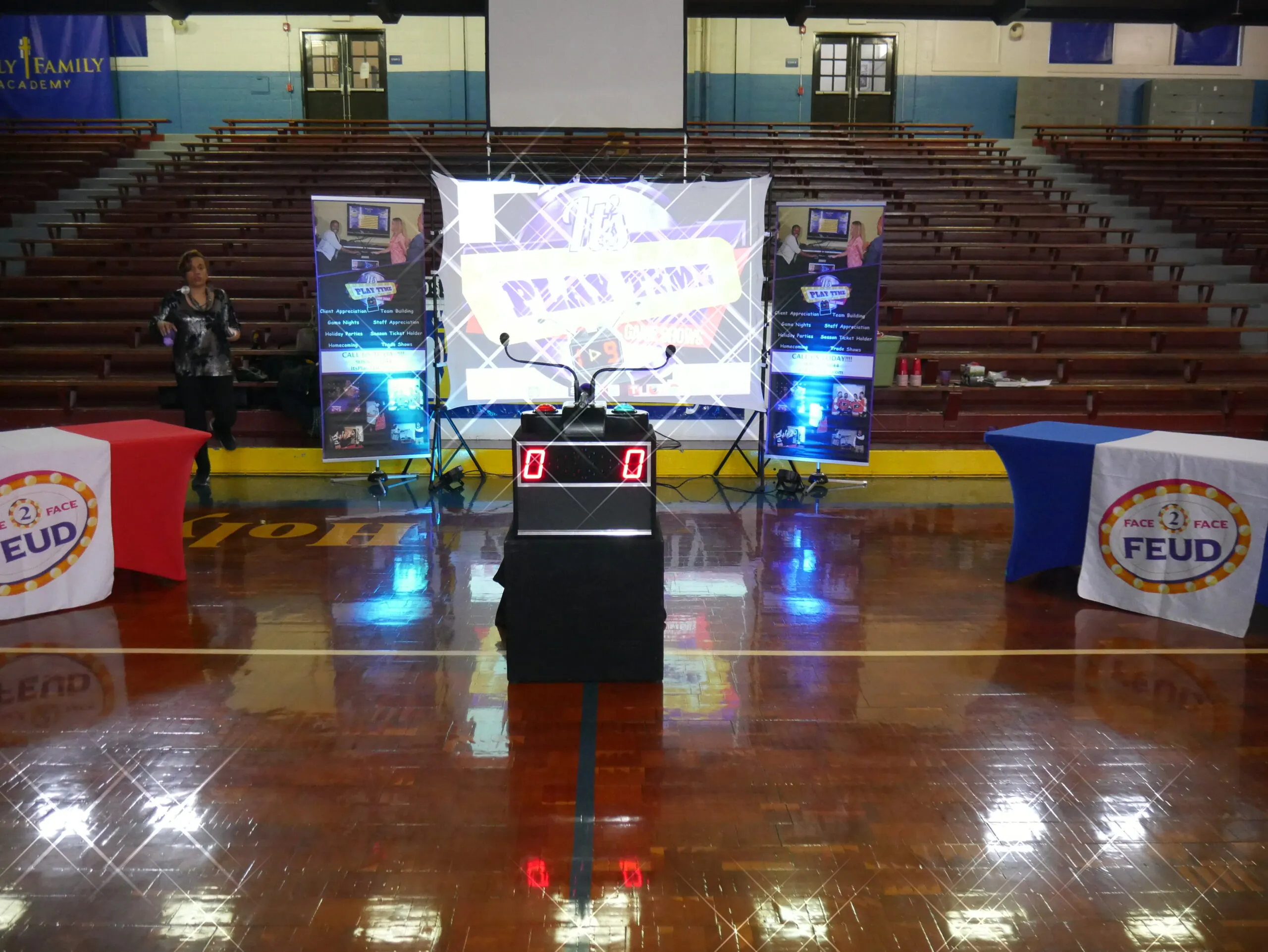

Quick Answer: What Are the Best Interactive School Assembly Games?
The best interactive school assembly games keep students actively involved instead of sitting quietly and watching. High-energy formats like trivia competitions, game shows, audience-response challenges, music games, and team-based activities help increase participation, improve focus, and create stronger student engagement during school assemblies.
Interactive assemblies work best when they:
- involve the entire audience
- reduce social pressure
- encourage teamwork and school spirit
- match the age group of the students
- move at a fast pace to prevent disengagement
For schools in New Jersey, NYC, and Connecticut, live game show-style assemblies are especially effective because they combine structured participation, friendly competition, and entertainment in a way students already understand and enjoy.
Whether you are planning a back-to-school kickoff, Red Ribbon Week, SEL program, or school culture event, interactive games help students connect, participate naturally, and stay engaged from beginning to end.
School assembly games are quickly becoming the go-to solution for Principals, PTO leaders, and school administrators who are tired of watching students mentally check out just minutes into a traditional assembly.
Instead of sitting through another lecture, today’s K-12 audiences respond to something very different; they want to be part of the experience. That’s where interactive, game-based assemblies come in, designed to engage elementary, middle, and high school students in ways that actually hold their attention.
If you’ve ever planned a school assembly in New Jersey or New York City and felt the energy drop before the first slide even finished, you already know the challenge. The truth is simple: students don’t connect with long speeches or one-way “motivational talks.” They connect through interaction, competition, and shared moments.
That’s why high-energy, game-style assembly experiences work: they turn large groups into active participants rather than passive spectators, creating real engagement from start to finish.
×
Need a School Assembly Program That Students Will Actually Participate In?
Get a fast quote for a live game show experience designed for teams across New Jersey, NYC, and Connecticut.
Fast response. Designed for stress-free planning.
Book a Fun Interactive Game For Your School
Call us today. Self-Hosted. We do everything for you. Let’s Play!
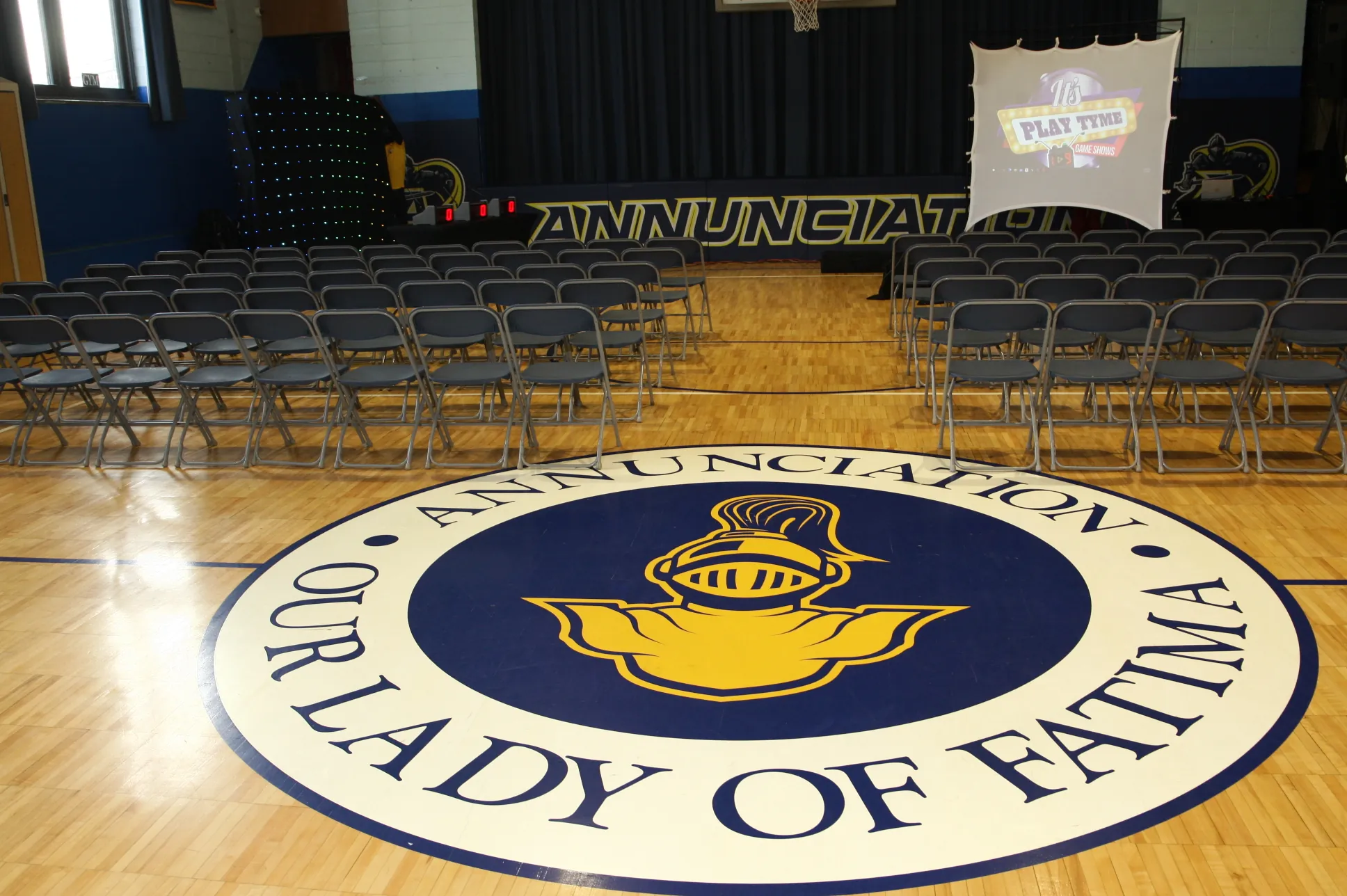
That’s where live, game-show-style school assemblies change everything. These assemblies combine learning with competition, laughter, and teamwork, creating an experience where students are cheering, collaborating, and thinking on their feet all at the same time. The result is higher engagement, stronger social confidence, and a noticeable boost in school spirit.
This isn’t entertainment for entertainment’s sake. It’s fun with a purpose, designed to hold attention, encourage positive behavior, and create shared moments students actually remember long after the assembly ends.
In the next section, we’ll break down proven school assembly game ideas that schools across NJ, NYC’s five boroughs are using to keep students off their phones, on their feet, and fully locked into the experience. These are the formats that work, especially for large groups without adding more work to your plate.
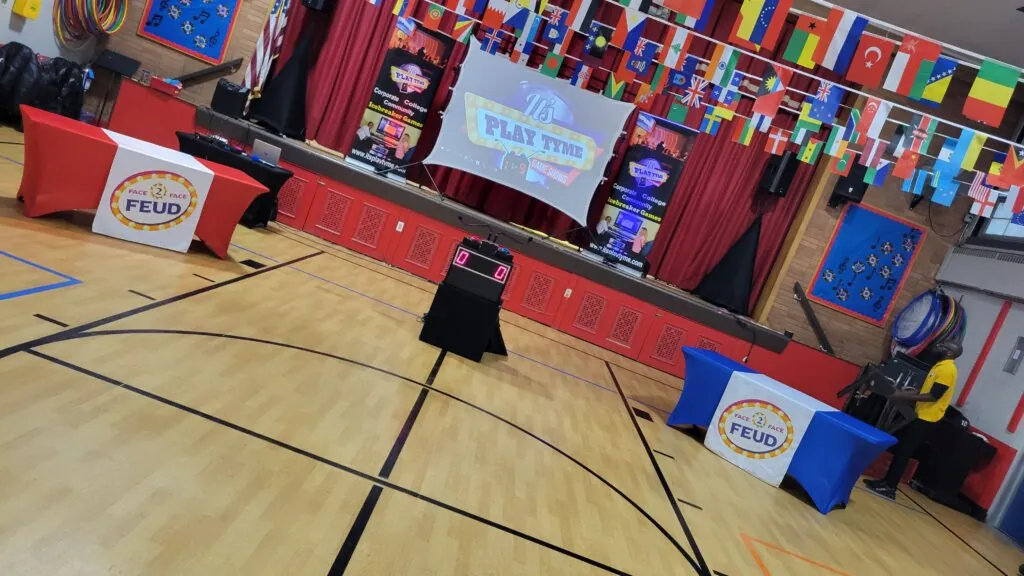
Key Insights & Takeaways:
- Interactive school assembly games engage and energize students.
- Age-appropriate formats ensure success for elementary, middle, and high school assemblies.
- Incorporating interactive activities that create a positive and engaging environment.
- Interactive school assembly games in NJ that enhance students’ cognitive abilities, improve critical thinking skills, and reinforce important subject matter.
- Implementing interactive games is easier than you think.

How to Implement Interactive School Assembly Games That Actually Work
If you’re ready to upgrade your assemblies, here’s what successful schools focus on.
1. Start With the Outcome, Not the Activity
Before selecting any game, clarify what you want the assembly to accomplish.
Are you aiming to:
- Increase student engagement?
- Encourage teamwork across grade levels?
- Reinforce social skills or school values?
- Energize students before or after a long academic block?
When the objective is clear, the right game format becomes obvious, and the assembly feels purposeful, not random.
2. Keep Teachers in Their Role and Not as Event Managers
Teachers and staff shouldn’t be responsible for running games, managing equipment, or keeping the pace moving. The most effective assemblies allow educators to observe, support, and participate, not troubleshoot.
When games are clearly explained and professionally facilitated, students follow the structure naturally: reducing behavior issues and pressure on staff.
3. Choose Games Designed for Large Groups
Not every activity works in an assembly setting. The best interactive school assembly games are:
- Easy to understand within minutes
- Inclusive of different personalities and abilities
- Fast-paced to maintain attention
- Structured enough to prevent chaos
These formats can be tailored for elementary school assemblies with simplified rules, middle school assemblies with competitive team play, and high school assemblies that incorporate strategy, leadership, and real-world scenarios.
4. Simplify Logistics From the Start
Successful assemblies run smoothly because logistics are handled in advance. That includes:
- Clear team structures
- Defined time blocks
- Audio and visual support that works in large spaces
- A flow that keeps momentum high
When these details are planned upfront, the assembly runs smoothly, and students stay focused on the experience, not the setup.
5. Set Expectations Clearly for Students
Students engage more when they understand the rules and goals. Clear instructions, simple scoring, and visible structure help students jump in confidently.
When expectations are clear, participation increases, and discipline issues decrease.

Why More School Leaders Are Booking Interactive Assembly Games Over Traditional Assemblies
If you’re a Principal, PTO President, or School Administrator, you already know the truth: traditional school assemblies don’t hold students’ attention anymore. Long, boring lectures, slide decks, and one-way talks lose the room fast, especially in large NJ, NYC, and Connecticut schools where student energy is high, and attention spans are short.
Incorporating interactive school assembly games solves that problem immediately.
Instead of asking students to sit quietly and listen, these assemblies invite them to participate, collaborate, and compete, turning the entire room into part of the experience. The shift is instant. Energy rises. Focus sharpens. Students lean in instead of tuning out.
And this isn’t just about making assemblies more fun.
Interactive Assembly Games Support Real Educational Outcomes
When schools book educational assembly games, learning stops feeling abstract. Concepts come to life through movement, teamwork, and problem-solving. Students aren’t just hearing information: they’re using it. That hands-on involvement leads to stronger retention and a deeper connection to the lesson.
Just as important, these games naturally reinforce skills schools care about:
- Collaboration and teamwork
- Communication and listening
- Confidence and positive peer interaction
- Respect for different perspectives
Unlike classroom settings where the same students often dominate, game-based assemblies level the playing field. Every student can participate: regardless of academic performance, learning style, or social confidence. That inclusivity is exactly why schools across New Jersey and the NYC metro area are choosing this format.
A Better Solution to the Student Engagement Problem
If you’ve noticed assemblies failing to capture students’ imagination, you’re not alone. Most schools want to break the monotony. They just don’t want chaos, awkward activities, or gimmicks that miss the mark.
Well-designed school assembly games strike a balance. They’re structured, purposeful, and high-energy. They are designed to entertain and educate simultaneously. From team-based challenges to fast-paced game show formats, students stay engaged because they’re part of the action.
If your goal is to keep students engaged, reinforce positive behaviors, and create an assembly experience they actually talk about afterward, interactive school assembly games aren’t a risk; they’re the upgrade.

Find the Perfect Game Show for Your School
Pick a Live Game Show Experience Your School’s Goals and Needs – Click Below
GAME SHOW THEMES
The Real Benefits of Fun School Assembly Games
Fun school assembly games aren’t just about entertainment; they’re a strategic way to solve some of the biggest challenges schools face today: low engagement, limited student interaction, and assemblies that don’t leave a lasting impact.
When students actively participate in structured, game-based assemblies, something important happens. They stop being passive listeners and start becoming active contributors. That shift alone changes how information is processed, retained, and remembered.
Well-designed assembly games naturally support:
- Teamwork and peer collaboration
- Clear communication and active listening
- Critical thinking and fast decision-making
- Confidence in speaking up and participating
Instead of forcing students to “pay attention,” games earn their attention. Learning becomes something they’re part of, not something happening to them.
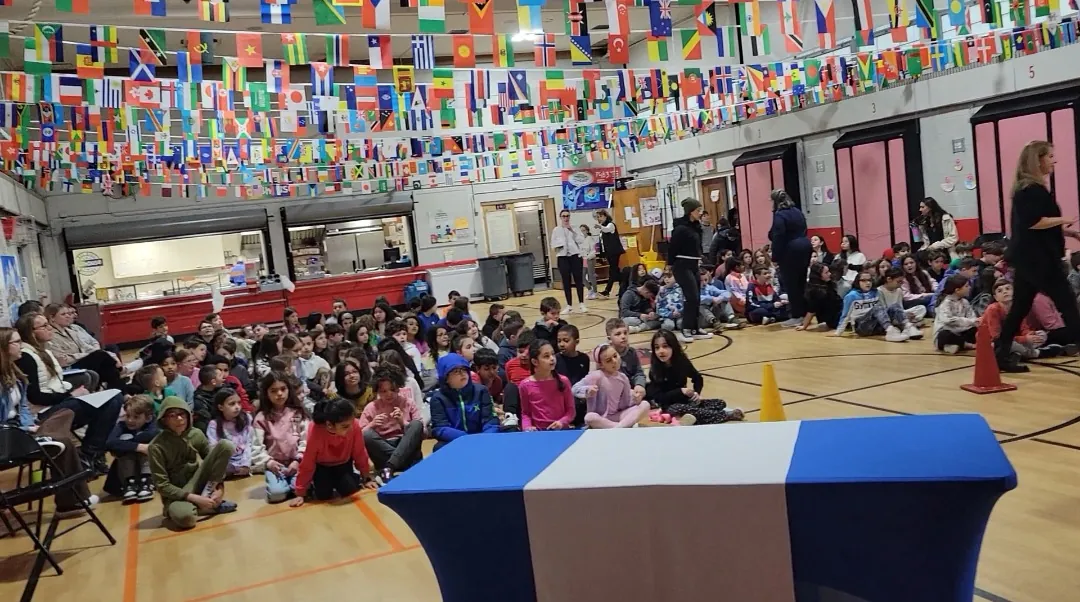
Book a Fun Interactive Game For Your School
Call us today. Live Game Shows are our specialty. Let’s Play!
Examples of Assembly Games Students Actually Respond To
Not all games are compatible with an assembly setting. The most effective school assembly games are fast-paced, inclusive, and easy for large groups to understand.
Here are proven formats schools consistently use with success:
1: The Great Science Race
This fun and engaging game challenges students to work together in teams to complete a series of science experiments before time runs out.
Not only does it foster team building and collaboration, but it also reinforces important scientific concepts and principles.
2: Trivia/Quiz Game Show Challenge
Create an exciting atmosphere in your school assembly with a trivia challenge game that tests students’ knowledge and recall skills.
Incorporating various subjects and themes into the questions creates a fun and inclusive competition that educates and entertains.
3: Interactive Dance-Off and LIP Sync Challenge
Get the school assembly up and moving with an interactive dance-off and lip sync challenge game that challenges students to create and perform routines.
Not only does it improve coordination and physical fitness, but it also encourages self-expression and creativity.
4: Multimedia Presentations
Taking advantage of modern technology, multimedia presentations engage students with visual aids to enhance learning.
Combining text, graphics, images, and video footage, these presentations offer interactive opportunities to introduce new concepts, promote conversations, debates, and ask questions.
5: Creative Writing Challenge
Encourage students to express their creativity and showcase their writing skills by incorporating a creative writing challenge into your school assembly.
The challenge could include writing short stories, poems, or a group collaborative writing assignment that encourages teamwork and creativity.
6: Student Debates
Encourage critical thinking, public speaking, and decision-making skills with student debates.
Select a divisive topic relevant to the students or current events, establish the foundations of debate in a respectful and fair manner, and allow students to take charge and make their case.
7: Virtual Field Trips
Experience history, culture, and nature through an interactive and virtual perspective, using technology to transport students to other places virtually.
An excellent tool for creating memorable and engaging assemblies where students can efficiently travel for social studies, geography, and science lessons.
These interactive school assembly games and activities offer unique opportunities to engage students and promote learning.
Incorporating such engaging assembly activities can make a huge difference in the overall educational experience of students.
Use these examples as inspiration and create your own exciting and engaging games for your next school assembly!
8: Real World Simulation Game
Interactive scenarios where students work through challenges like launching a business, solving community problems, or managing resources.
These activities build practical thinking skills while exposing students to real-life applications of what they learn in school.
9: Team Construction Challenge
Hands-on games where students collaborate to build structures or solve physical challenges using everyday materials.
These activities strengthen communication, leadership, and problem-solving: without singling anyone out.
The common thread is that every student can participate, regardless of academic level or personality type.
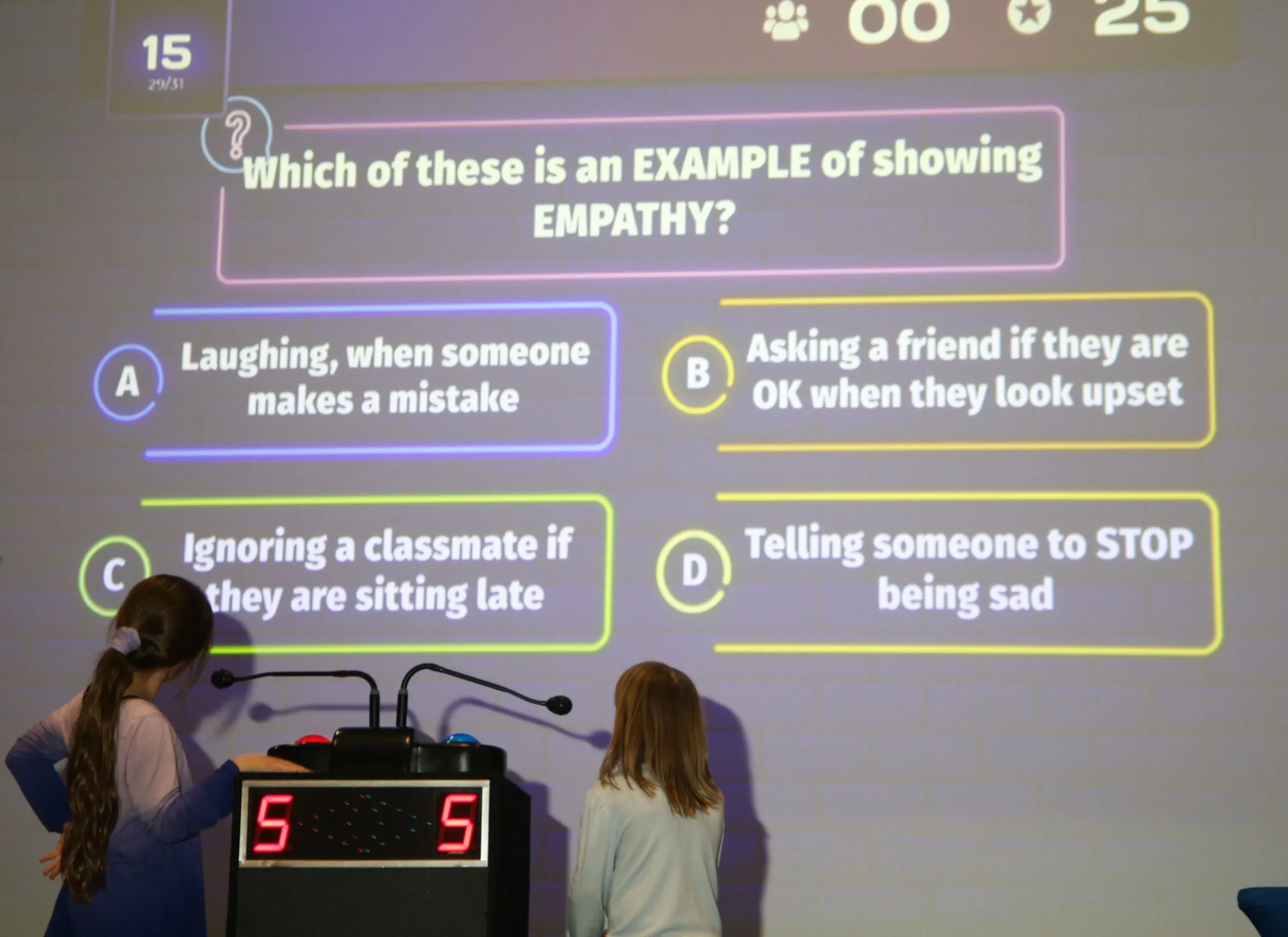
Game Show Theme Ideas For School Assemblies
1. Face-2-Face Feud (School Edition)
A fast-paced twist on Family Feud where two teams battle it out answering hilarious, school-friendly survey questions.
2. Majority Rules For Students K-12
Students guess the majority vote on funny or thought-provoking questions. The majority wins! It sparks big laughs and even bigger debates.
3. Word Play K-5
Think spelling bee meets Wheel of Fortune. A vocabulary-based game with clues, puzzles, and brain-busting buzzers for elementary school kids.
4. Match Game For Kids
Great for upper and middle school grades, where students try to match answers with popular responses or even their teachers!
5. Minute To Win It: School Style
Simple challenges using everyday items, high-speed games that test skill, focus, and teamwork in 60 seconds or less.
6. Are You Smarter Than a 5th Grader?
Teachers vs. students in an academic showdown that’s as funny as it is educational.
7. Name That Tune
From cartoons to TikTok, kids try to guess the song in the fewest seconds, perfect for music lovers.
8. Brain Games
STEM-inspired activities and riddles get kids thinking on their feet while having fun with logic and problem-solving.
9. Quiz Showdown
Classic trivia with a buzzer system, categories like pop culture, math, science, and school life make it super engaging.
10. Finish the Lyrics
Turn the gym into a concert, and students sing the next line of a song. Think karaoke meets competition!
What Interactive School Assembly Games Really Teach
Interactive school assembly games do more than keep students entertained; they quietly introduce team building in a way that feels natural, fun, and stress-free.
Most schools don’t set out to host a “team-building assembly.” They’re simply looking for engaging school assembly ideas that won’t lose students halfway through. The surprise is that the best interactive assembly games automatically create teamwork, even when that’s not the original goal.
Here’s why these games work.
Instead of asking students to sit and listen, interactive assembly games place them into shared challenges. Students collaborate, communicate, and problem-solve together, often without realizing they’re building skills that usually take weeks to develop in the classroom.
In a traditional assembly, only a handful of students stay mentally engaged. The rest fade into the background. Interactive games flip that experience by giving students:
- A clear role
- A shared objective
- A reason to pay attention
That structure keeps large, multi-grade assemblies focused, energized, and inclusive, especially in NJ, NYC, and CT schools where assemblies can include hundreds of students at once.
The Hidden Benefits Schools Don’t Expect
When schools introduce interactive games into assemblies, they consistently see:
- Stronger communication between students
- Natural collaboration across grade levels
- Improved problem-solving under time pressure
- Increased creativity without sacrificing structure
- A more positive, respectful school environment
And for students who struggle socially or hesitate to participate? Team-based games lower the pressure. Students contribute as part of a group instead of standing alone, building confidence in a safe, supportive way.
The best part, it doesn’t feel like team building.It feels like fun, and that’s exactly why it works.
Got School Assembly Games? – PRESS PLAY! #nomoreboringschoolassemblies
How Interactive Assembly Games Strengthen Student Thinking
Interactive school assembly games sharpen key cognitive skills in real time: skills that directly support academic success.
Students practice:
- Focus and attention under stimulating conditions
- Memory recall through fast-paced challenges
- Processing information quickly and accurately
- Critical thinking and decision-making
Because these skills are exercised through play, students stay engaged longer and absorb more than they would through passive instruction alone.
Just as importantly, team-based games encourage communication and collaboration. Students learn how to listen, contribute, and problem-solve with peers: skills that matter far beyond the assembly.
How These Games Create a Positive, Inclusive Assembly Experience
Interactive assembly games also shape the emotional tone of the room. When students participate together, the atmosphere shifts from passive to positive.
These experiences promote:
- Respect for peers
- Empathy through teamwork
- A sense of belonging across grade levels
- Confidence in speaking up and participating
When students feel connected to each other and to the experience, they’re more likely to enjoy school and carry that positive energy back into the classroom.
Interactive school assembly games don’t just make assemblies more exciting. they create moments that strengthen school culture without adding pressure or extra work for educators.
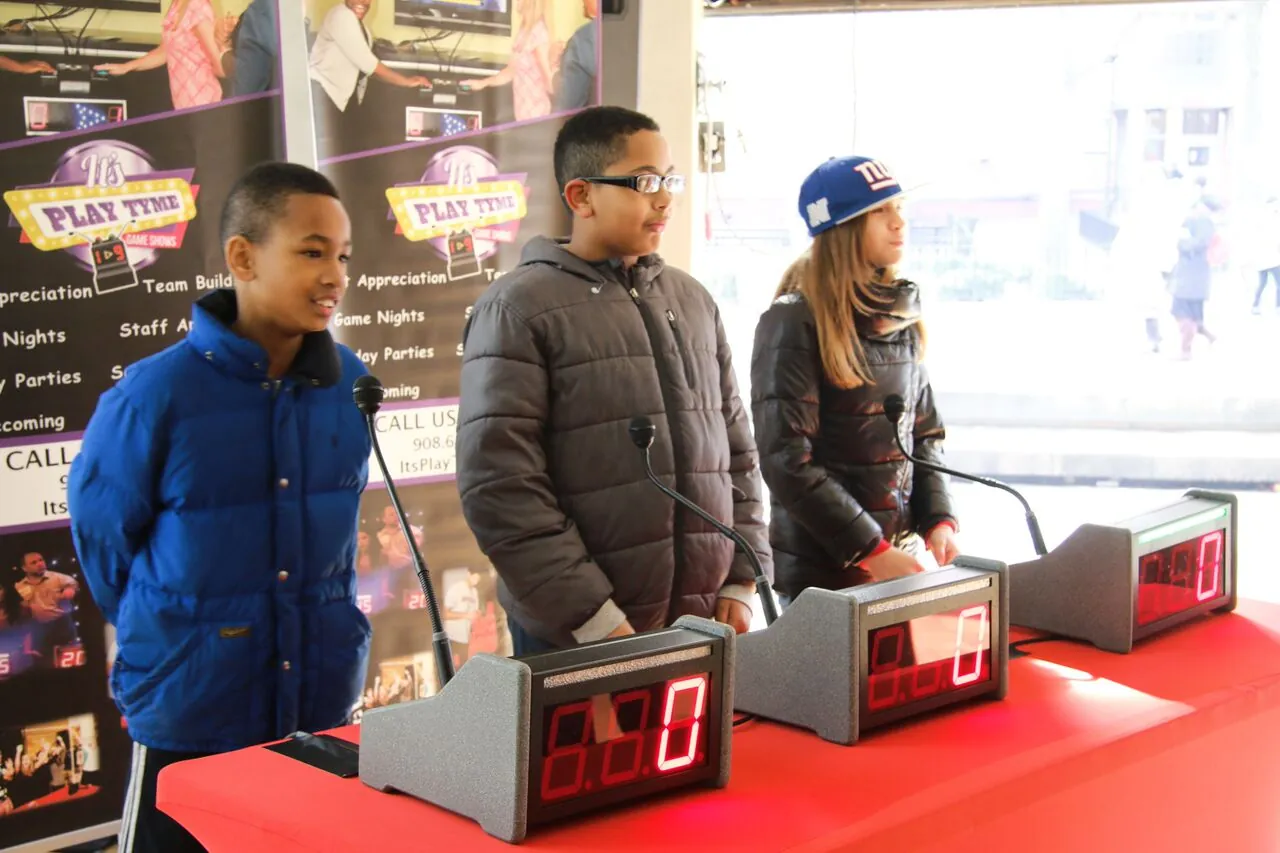
Why Team-Building Assembly Games Work for Large, Multi-Grade
Team-building assembly games aren’t just classroom activities scaled up: they’re one of the most effective ways to engage multiple grade levels at once without losing control of the room.
In a traditional assembly, only a small percentage of students are truly engaged. The rest sit quietly, disengaged, or overwhelmed. Team-based assembly games flip that dynamic by giving students a shared goal and a clear role, which keeps participation high and behavior focused.
When schools incorporate structured team-building games into assemblies, they consistently see:
- Stronger communication and collaboration among students
- Better problem-solving and critical thinking in real time
- Increased creativity without disrupting structure
- A more positive, respectful school atmosphere
- Greater empathy and peer-to-peer support
These outcomes matter most in large NJ and NYC’s 5 boroughs, where assemblies include students with different learning styles, energy levels, and social confidence.
How Schools Successfully Plan Interactive Assembly Games (Without the Stress)
Planning an interactive school assembly doesn’t mean reinventing your program, juggling extra responsibilities, or turning teachers into event coordinators. The most successful assemblies follow a simple formula: clear goals, the right game format, and a plan that runs itself once the assembly starts.
Schools that struggle with assemblies usually don’t lack good intentions; they lack a structure that works at scale. Interactive school assembly games solve that by providing built-in engagement, clear rules, and controlled energy that keeps students focused instead of overwhelmed.
The Smart Way to Introduce Interactive Assembly Games
Instead of relying on videos, slide decks, or loosely guided activities, interactive assemblies work best when games are designed specifically for large groups. These formats don’t interrupt learning: they enhance it.
Hands-on challenges, team-based games, and live game show-style activities allow students to:
- Participate without being singled out
- Apply concepts instead of just hearing them
- Stay engaged from start to finish
The key is choosing games that are structured enough to maintain order, but flexible enough to keep students excited.
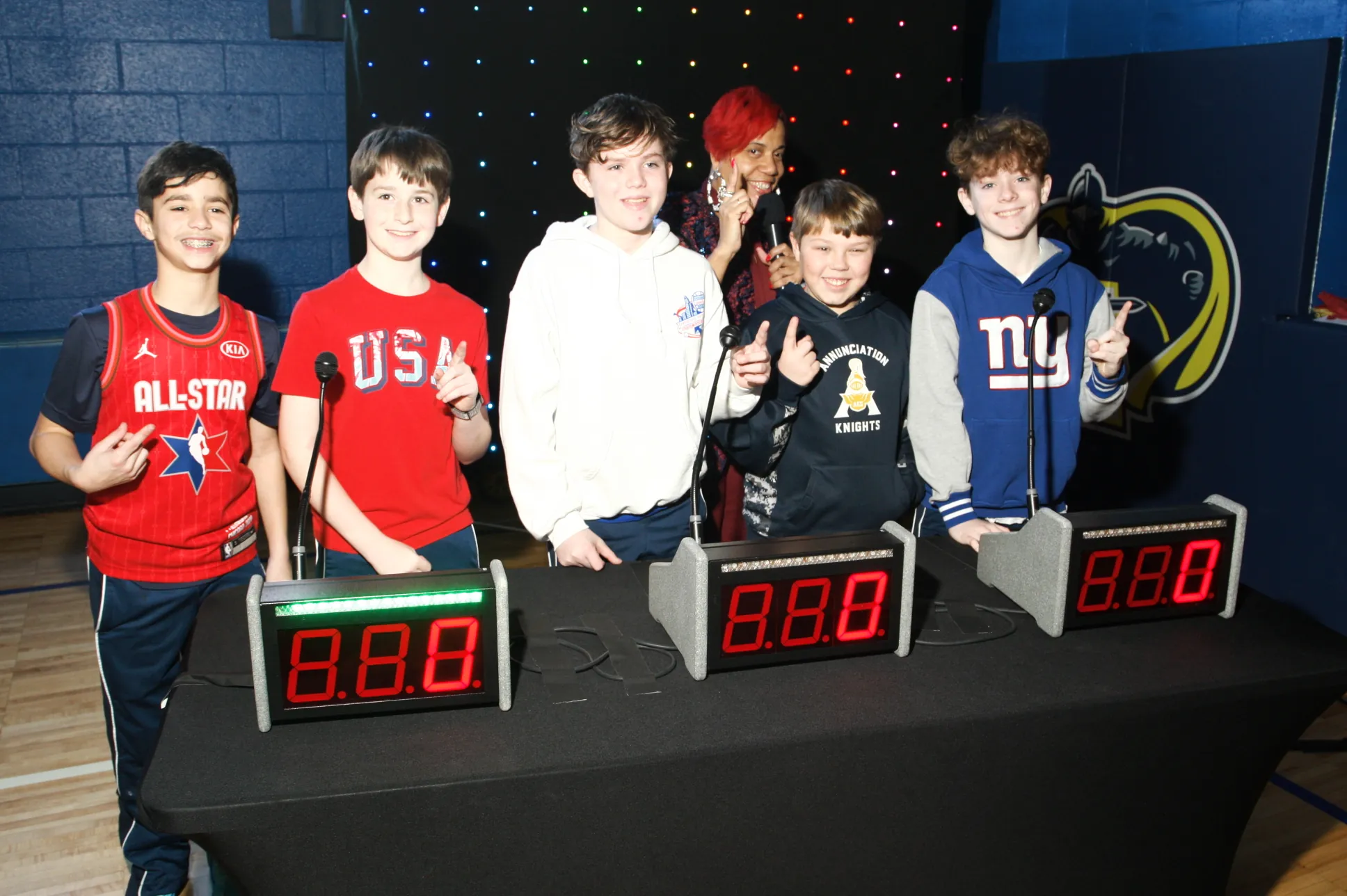
Book Your School Assembly Game Show
Call us today! Bring in a live, interactive game show that keeps K-12 students engaged
Challenges That Derail School Assemblies (and How to Solve Them)
Assemblies rarely fail because of the content. They fail on logistics, participation, and pacing. These four problems account for most of it.
1. The gym swallows the sound
A gymnasium with hard floors and high ceilings turns a single speaker into an echo, and students at the back stop listening within five minutes. Book a program that brings its own sound system and wireless microphones rather than relying on a ceiling-mounted PA built for announcements.
2. Only a handful of students take part
Calling six volunteers to the stage leaves 400 students watching. Formats built on class-versus-class or grade-versus-grade scoring keep every seat involved, because each student has a team to cheer for even when they are not holding a buzzer.
3. The schedule slips into lunch
Assemblies that start late collide with lunch waves and bus schedules, and staff spend the last 10 minutes managing the clock instead of the room. Build in a 10-minute buffer for seating, and confirm a hard stop time with the host before the day.
4. Older students refuse to engage
Middle and high school students will not participate if they risk looking foolish alone. Team-based rounds solve this, because the group absorbs the attention. The same principle applies to staff in-service days, where teachers respond to the same structured formats used in workplace team-building activities.
Match the Assembly Format to Your Group
Age band and room size decide the format more than the theme does. Use this as a planning baseline.
| Grade Band | Group Size | Format That Works | Run Time | Watch For |
|---|---|---|---|---|
| K to 2 | 50 to 200 | Call-and-response rounds, simple prompts | 30 minutes | Attention drops past 30 minutes |
| Grades 3 to 5 | 100 to 400 | Team trivia with rotating stage volunteers | 45 minutes | Keep every class represented |
| Middle school | 150 to 300+ | Feud-style head-to-head rounds | 45 minutes | Peer pressure suppresses volunteers |
| High school | 200 to 800 | Buzzer rounds, class versus class | 45 to 60 minutes | Needs real sound reinforcement |
| Staff in-service | 20 to 120 | Staff-versus-staff game show | 60 minutes | Schedule away from grading deadlines |
| Whole-school pep rally | 300 to 1000 | Music and lip-sync competition rounds | 30 to 45 minutes | Gym acoustics need a pro system |
How to Choose the Right Assembly Format for Your School
Interactive school assembly games don’t succeed because they’re flashy. They succeed because they’re structured, intentional, and easy to execute.
When assemblies are planned with the right format, students stay engaged, teachers stay supported, and administrators get an experience that delivers real value, without adding more work to their day.
The right interactive assembly doesn’t feel complicated. It feels like the smartest decision you made all year.
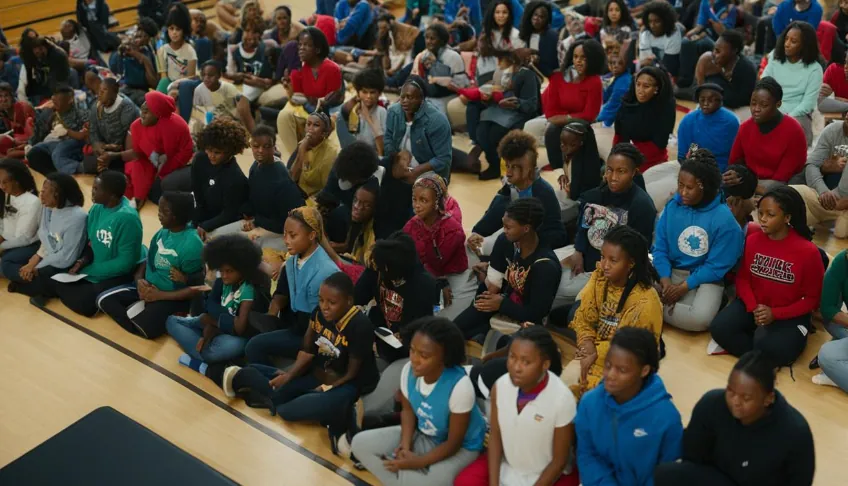
Making the Assembly Count: Curriculum Links, SEL Goals and the Room You Actually Have
An assembly that is only entertaining keeps students quiet for a period. One that is built on what they are studying is still paying off a week later. The simplest way to get there is to share your current units before the event. A fourth grade show can pull fractions, state history and the week’s ELA vocabulary, while a seventh grade show can lean on earth science, ratios and civics. The buzzer and the countdown do the rest, because recalling an answer under a little friendly pressure is exactly the kind of practice that sticks.
Game show formats also line up neatly with the social-emotional learning goals most districts already track, which helps when an assembly has to be justified at budget time. Teams have to negotiate one answer together, which builds relationship skills. Mixed-grade teams ask an older student to listen to a younger one, which builds social awareness. A ticking clock makes a group weigh its options and commit, which is responsible decision-making in action. Naming those links in your planning notes gives administrators a clear reason the period was well spent.
Finally, plan for the room you really have. Many schools, especially older buildings in New York City, hold assemblies in a gym, cafeteria or multipurpose room rather than an auditorium, and share that space with lunch or PE on the same day. Ask any provider exactly what they bring and what they need from you, make sure setup and breakdown fit around the bell schedule, and brief teachers on the format a few days ahead so they arrive ready to cheer on their teams instead of managing the room.
Quick Answers for Planners
Can the questions match what our students are studying right now?
Yes, and that is what separates an educational assembly from a filler period. Send over your current units and key vocabulary well ahead of the date so the rounds reinforce classroom work instead of generic pop culture.
We don’t have an auditorium. Will a gym or cafeteria work?
Usually, yes. Game show assemblies run well in gyms, cafeterias and multipurpose rooms. Settle early where power is available, how sound will carry in a large hard-walled space and how long the room is free before and after your period.
Should we run one big assembly or split students by grade band?
A skilled host can scale content for a room that spans a few grades. When the gap is wide, such as kindergarten through eighth grade, two shorter sessions by grade band usually keep everyone more engaged than one long one.
How do we explain the value of a game show assembly to district leadership?
Tie it to goals the school already reports on. Team play builds relationship skills, mixed-grade teams build social awareness and timed answers practice decision-making, so the assembly supports your SEL plan rather than taking time away from it.
How soon will we see a plan after we reach out?
It’s PlayTyme sets up a quick discovery call before preparing your proposal, and no deposit is needed to hold a date.
Frequently Asked Questions – School Assembly Games
What are the best school assembly games for large groups?
The best school assembly games for large groups are fast-paced, easy to understand, and designed for full-room participation. Trivia battles, name-that-song challenges, team problem-solving games, and live game show-style formats work especially well for multi-grade assemblies in NJ and NYC because they keep attention high while maintaining structure.
How long should an interactive school assembly game program be?
Most interactive school assembly programs run 45 to 60 minutes, which is ideal for maintaining engagement. For larger schools or special events in New Jersey and the NYC metro area, some assemblies run 60 to 90 minutes with multiple rounds to keep energy consistent and prevent attention drop-off.
Do interactive assembly games work for elementary, middle, and high school students?
Yes. Interactive assemblies are designed with age-appropriate formats for elementary, middle, and high school students. Younger students engage with visual and movement-based games, middle schoolers respond to team competition, and high school students benefit from leadership and strategy-driven challenges.
Can school assembly games be educational and still fun?
Absolutely. Educational assembly games work best when learning is built into the game mechanics instead of a lecture. Trivia can reinforce curriculum topics, simulation games can build real-world thinking, and team challenges can strengthen communication and problem-solving: all while keeping students excited to participate.
What equipment do we need for interactive school assembly games?
Most schools need a microphone, speakers, and a screen or projector if visuals are used. For gym or auditorium assemblies in NJ and NYC, clear audio matters most. If you’re booking a live game show-style assembly, the provider typically brings the game materials and production setup so staff are not stuck managing tech.
How do interactive assembly games support student behavior and school culture?
Because the games are structured and team-based, students stay focused and engaged instead of restless and disruptive. The format encourages respectful competition, teamwork, and participation, which helps strengthen school spirit and improves the overall tone of the room during large assemblies.
Do you travel to schools in New Jersey, NYC, and Connecticut?
Yes. Many schools book interactive school assemblies that are brought directly to their gym or auditorium in New Jersey first, then New York City. The benefit is simple: your school gets a turnkey experience without staff having to build an assembly program from scratch.
Where can we book a live, game show-style school assembly program?
If your goal is maximum student engagement with minimal planning stress, book a live school assembly program designed around interactive game formats. For details and booking options, visit the School Assemblies page here: https://itsplaytyme.com/school-assembly-programs/.