Strong teams are built between meetings, not inside them. Social events at work give people the unstructured time that turns coworkers into colleagues who trust each other. The stakes are real, because Gallup reports that only 20% of employees feel engaged at their jobs. Connection is the lever that moves that number.
The social side of work matters more than many leaders assume. Pew Research found that most workers value the relationships they form on the job, and those bonds shape retention, collaboration, and morale. A smart calendar of social events keeps those relationships alive instead of leaving them to chance.
Most planners face the same set of obstacles. You want events that include introverts and extroverts, that fit a tight budget, and that do not eat your entire week to organize. You want to mix casual and structured moments without repeating the same tired happy hour. The guide below sorts your options into three clear tiers so you can match the right event to the right moment.
Tier One: Casual Social Events
Casual events are low effort, low cost, and easy to repeat. They keep daily connection warm without much planning.
- Team lunches: A shared meal removes hierarchy and gives quiet team members a natural way to join the conversation.
- Happy hours: An after-work gathering lets people decompress and talk about something other than deadlines.
- Coffee breaks and walking meetings: Short, informal touchpoints that fit inside a busy day.
- Birthday and milestone shoutouts: Small recognitions that show people they are seen.
The strength of casual events is frequency. The limit is depth. People tend to cluster with the same familiar faces, so these gatherings rarely break down department silos on their own.
Tier Two: Structured Social Events
Structured events add a shared activity that gives everyone a role. The activity itself does the social work, which helps people mix beyond their usual circle.
- Game nights: Board games and party games create friendly competition and plenty of laughter.
- Trivia: Themed trivia rewards quick thinking and pulls whole tables into the action.
- Volunteer days: A shared cause builds pride and teamwork outside the office walls.
- Sports leagues and outings: Recurring activities that build camaraderie over a season.
Structured events answer a question every planner asks: how do I get people who never talk to interact naturally? You build the interaction into the format, so connection happens without forced introductions.
Tier Three: Premium Hosted Events
Premium hosted events are the centerpiece moments your team talks about for months. A professional runs the experience, so you attend as a guest instead of a facilitator.
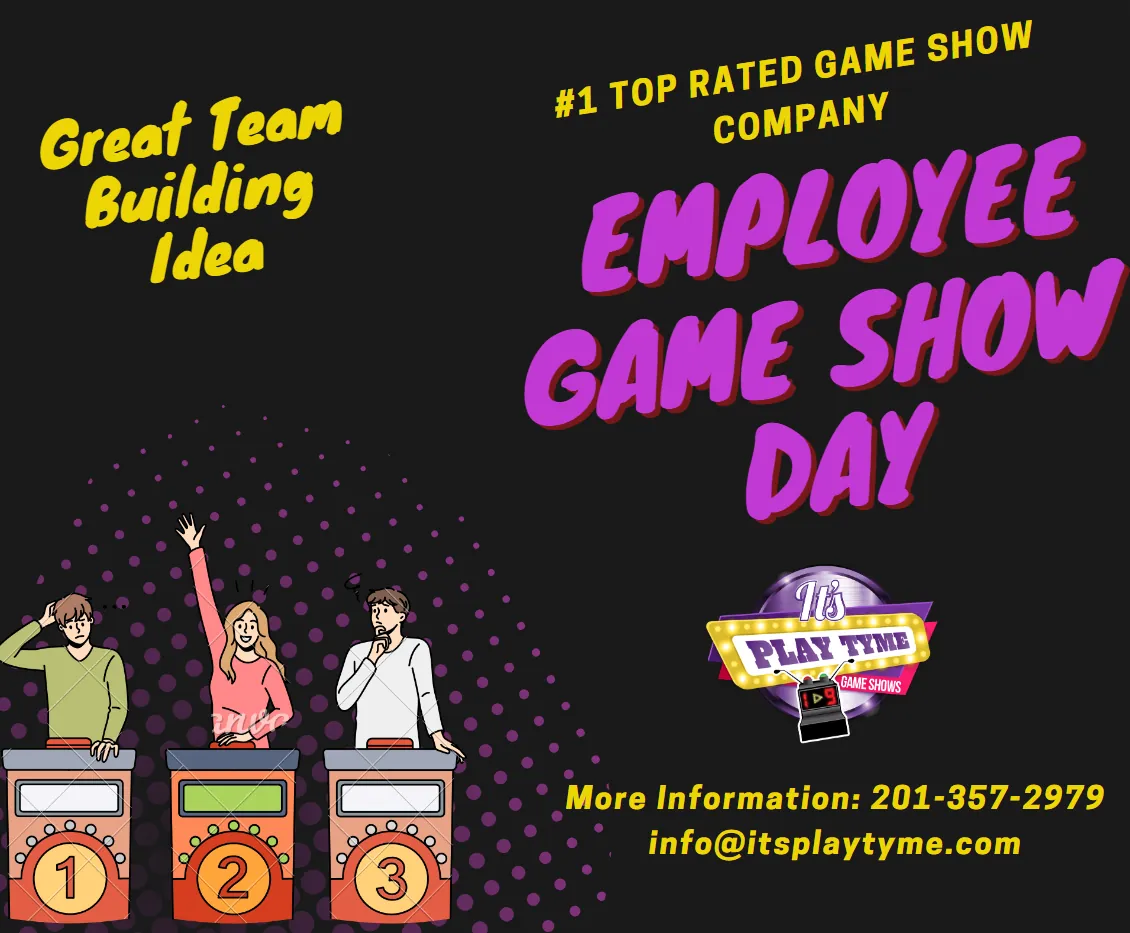
- Hosted game shows: A professional emcee runs a fast, funny competition with buzzers, screens, and team play.
- Themed parties: A decade theme, a casino night, or a holiday gala with full production.
- Awards ceremonies: A polished evening that recognizes wins and milestones.
This tier delivers the highest impact per event. It also removes the organizing burden, because the production is handled for you from setup to finish.
Why a Hosted Game Show Leads the Premium Tier
Among premium options, a hosted game show stands out because it carries the entire experience for you. It’s PlayTyme Game Shows brings a professional host, broadcast-style equipment, and a tested format to venues across New Jersey, New York City, and Connecticut. You do not script a single round. You show up and play.
The format is built for mixed groups. Team rounds mean no one stands alone on stage, so shy guests warm up while outgoing ones shine. The host reads the room and keeps every table involved. By the final round, departments that never speak are high-fiving over a tie-breaker. That is the difference between watching entertainment and being part of it.
What sets the hosted format apart
- Zero facilitation burden on the planner or HR.
- Automatic engagement for guests of every personality type.
- Equipment, scoring, and pacing handled by professionals.
- A clear beginning, middle, and crowd-pleasing finish.
How Often Should You Host Social Events?
Frequency keeps connection steady without burning out your budget or your calendar. A simple rhythm works best.
- Weekly: Casual touchpoints like team lunches or coffee breaks.
- Monthly: A structured event such as game night, trivia, or a volunteer afternoon.
- Quarterly: A larger gathering that brings the whole team together.
- Annually: One premium hosted event, like a game show or themed party, as the highlight of the year.
This cadence mixes low-effort consistency with a few standout moments. The annual centerpiece gives people something to anticipate, while the weekly and monthly events keep relationships from going cold.
Where Social Event Planning Usually Goes Wrong
Even with good ideas, planners hit predictable obstacles. Naming them early makes them easier to solve.
- Mixed comfort levels: Some people love a microphone, others avoid one. Team-based formats remove the pressure of solo performance.
- Department silos: People stick with familiar faces. Assigned teams and shared activities force fresh introductions in a natural way.
- Budget pressure: Costs add up fast. Balance frequent low-cost events with one or two high-impact moments.
- Planning fatigue: Organizing every detail drains the organizer. A hosted event hands the heavy lifting to a professional.
- Scheduling conflicts: Calendars fill quickly. Lock in dates early and give people clear notice.
Planning Tips That Keep Events on Track
A few habits separate smooth events from stressful ones. Start with the outcome you want, then work backward to the format.
- Survey your team: Ask what people actually enjoy before you commit to a plan.
- Confirm logistics early: Lock the venue, power, sound, and headcount well in advance.
- Rotate formats: Vary casual, structured, and premium events so nothing feels repetitive.
- Set a budget per tier: Spend the most on the events people will remember longest.
- Measure the result: A quick post-event check tells you what to repeat next time.
Ready to anchor your calendar with an event that runs itself? Contact It’s PlayTyme to check dates, or explore our corporate event game shows built for teams across NJ, NYC, and CT.
Matching Social Events to Your Team Goals
Start with the connection you want to build. If you need daily warmth, lean on casual events you can repeat without strain. If you want to break down silos, choose structured activities that give everyone a role. If you want one moment your team remembers all year, invest in a premium hosted event that requires zero facilitation from you. Match each tier to its purpose, set a realistic budget, and lock dates early, because the best vendors and venues fill quickly. The right blend keeps morale high without overloading any single person.
Frequently Asked Questions (FAQs)
What are the best social events at work?
The best mix blends casual, structured, and premium events. Team lunches and happy hours keep daily connection warm, game nights and trivia break down silos, and a hosted game show or themed party serves as the annual highlight. Matching each type to a clear purpose gives you the strongest results.
How often should a company hold social events?
A steady rhythm works best. Schedule casual touchpoints weekly, a structured event monthly, a larger gathering quarterly, and one premium hosted event each year. This cadence keeps relationships alive without straining your budget or calendar.
How do I include introverts in workplace social events?
Use team-based formats that remove solo pressure. A hosted game show places guests in groups, so no one performs alone, and the host carries the energy. The structure does the social work, which helps quieter people join in comfortably.
How much should we budget for social events?
Spend the most on the events people remember longest. Keep casual gatherings low cost and frequent, then reserve a larger share of the budget for one or two premium events each year. Always confirm what a vendor quote includes, such as travel, setup, and equipment.
Why book a hosted game show for a work event?
A hosted game show delivers high engagement with no facilitation burden. It’s PlayTyme Game Shows brings a professional host, broadcast equipment, and a tested format to venues across New Jersey, New York City, and Connecticut. You attend as a guest while the team handles every detail.
Do workplace social events actually improve retention?
Pew Research found that most workers value the relationships they form on the job, and those bonds directly shape retention and collaboration. Teams that invest in regular social events tend to keep people longer than those that leave connection to chance.
How do social events affect day-to-day team performance?
Gallup reports that only 20% of employees feel engaged at their jobs, and connection is the lever that moves that number. Social events give people the unstructured time that turns coworkers into colleagues who trust each other, which feeds into daily collaboration and morale.