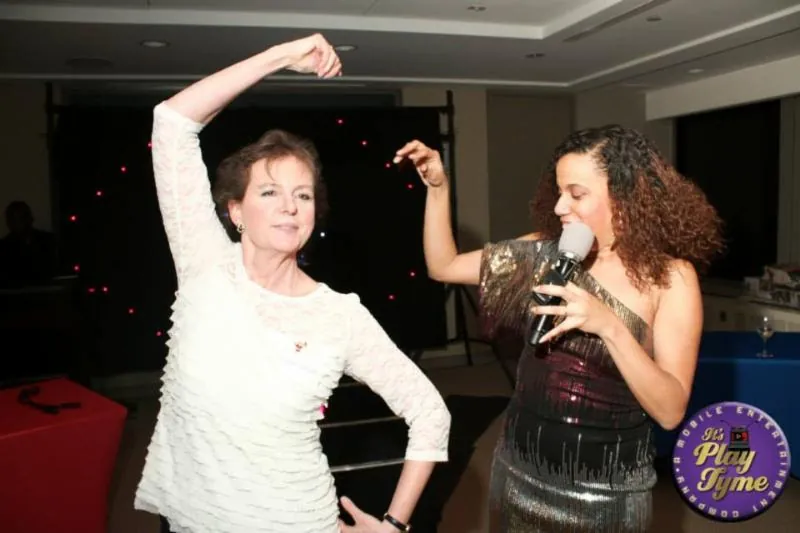
Bergen County sits at the crossroads of northern New Jersey’s corporate corridor, home to Fortune 500 headquarters, mid-market firms, and a dense network of conference-ready hotels along Routes 17, 4, and 208. With hundreds of companies operating within a 20-mile radius of Paramus, Hackensack, and Mahwah, the demand for well-planned corporate events here is constant. According to Gallup’s 2026 State of the Global Workplace report, global employee engagement has dropped to just 20% — its lowest level since 2020. At the same time, Gallup’s own meta-analysis of over 112,000 business units shows that companies with highly engaged teams see 23% greater profitability than those with disengaged workforces.
Those numbers put real pressure on HR directors, office managers, and team leads across Bergen County. You need events that go beyond a catered lunch in a conference room. You need programming that actually gets people talking, collaborating, and walking away with stronger working relationships.
But planning corporate events in Bergen County NJ comes with its own set of obstacles. Budgets are tight. Calendars are packed. Venues book up fast, especially during peak seasons in spring and fall. Remote and hybrid teams make attendance unpredictable, and the last thing anyone wants is a recycled icebreaker that half the room dreads. Finding an activity that works for 30 people in a boardroom AND 300 people in a hotel ballroom is a real constraint, not a minor detail.
Planning a corporate event in Bergen County? We bring hosted game shows to your office or venue for 20 to 300+ guests.
Major Problems Corporate Planners Face in Bergen County
Bergen County offers no shortage of venues, but that abundance creates its own problems. Planners regularly run into these roadblocks:
Venue availability during peak months: Hotels along Route 17 (Hilton Hasbrouck Heights, DoubleTree by Hilton Paramus, Crowne Plaza Saddle Brook) fill their event calendars early. Spring team-building season and fall kickoff windows overlap with wedding season, leaving corporate planners scrambling for dates.
Budget pressure from leadership: Companies want high-impact events without high-impact spending. The gap between a generic pizza party and a professionally produced event is wide, but so is the cost difference.
Engagement across departments and seniority levels: A good event for a sales team is often a bad fit for an engineering group. Finding programming that engages entry-level employees AND senior directors in the same room takes deliberate planning.
Hybrid and multi-office logistics: With many Bergen County companies maintaining hybrid schedules, nailing down a date when enough people are physically present is a planning challenge all on its own.
Activity fatigue: Teams that have done escape rooms, bowling outings, and cooking classes three years running are ready for something they haven’t seen before.
Why Bergen County Is a Top Destination for Corporate Events
Bergen County earns its reputation as a premier corporate event corridor for practical reasons. The county’s geography puts it within 30 minutes of Manhattan, accessible from the George Washington Bridge, Lincoln Tunnel, and multiple NJ Transit lines. That accessibility makes it easy to pull attendees from New York City offices, Connecticut branches, and other parts of northern New Jersey without requiring overnight stays.
The corporate density is remarkable. Companies like Unilever (Englewood Cliffs), KPMG (Montvale), and Benjamin Moore (Montvale) have major presences here. Dozens of mid-sized firms in financial services, pharmaceuticals, and technology fill office parks from Paramus to Mahwah. This concentration creates a built-in market for event venues, caterers, and entertainment providers who understand corporate expectations.
Bergen County also offers a range of venue types that most single municipalities simply do not have: hotel conference centers, country clubs, outdoor parks and recreation areas, restaurant private dining rooms, and dedicated event spaces. That variety means planners have genuine options to match the tone and format of their event to the right setting.
Interactive Game Shows and Live Entertainment
For companies looking for an activity that is genuinely different, It’s PlayTyme Game Shows brings professionally hosted, TV-style game show experiences directly to any Bergen County venue. Their format works for groups of 20 to 300+ and requires no special setup from the host company. The It’s PlayTyme team arrives with all equipment, a professional emcee, and a fully produced show that gets every person in the room involved.
What makes this format stand out for corporate events in Bergen County NJ is flexibility. The show runs in a hotel ballroom in Saddle Brook, a conference room in Paramus, or an outdoor tent at a company campus in Mahwah. It adapts to the space, the group size, and the energy level you want. The competitive format naturally breaks down departmental silos because teams are reshuffled, and the shared experience of answering trivia, solving puzzles, and racing against a clock builds connections that a passive seminar never will.
It’s PlayTyme serves corporate clients across New Jersey, New York City, and Connecticut, making them a strong fit for multi-office companies headquartered in Bergen County that want a single vendor for events at different locations.
Team-Building Workshops and Collaborative Activities
Structured team-building workshops remain a staple of corporate programming in Bergen County. These range from facilitated problem-solving exercises to creative challenges like improv workshops or collaborative art projects. Several Bergen County venues package team-building add-ons with their meeting room rentals.
The Stony Hill Inn in Hackensack and The Terrace at Biagio’s in Paramus both offer private event spaces suited to half-day workshops. For outdoor team building, Overpeck County Park in Leonia provides open space for field-day-style activities during warmer months.
The key consideration with workshops is scalability. Most facilitator-led activities cap at 40 to 60 participants. For larger groups, you need either multiple breakout sessions (which increases cost and time) or an activity format designed for scale. This is where game show formats have a practical advantage: a single show accommodates hundreds without breakout logistics.
Corporate Dinners and Networking Events
Bergen County’s restaurant and hospitality scene supports polished corporate dinners and networking events. Venues like The Brownstone in Paterson (just outside Bergen County but frequently used by Bergen companies), Seasons in Washington Township, and Il Villaggio in Carlstadt offer private dining rooms, dedicated event coordinators, and customizable menus.
Corporate dinners serve a different purpose than active team-building events. They work best for client entertainment, milestone celebrations, and executive retreats where the atmosphere is more conversational. Pairing a dinner with a pre-dinner activity (like a 60-minute game show in the venue’s event space) gives the evening both structure and energy without overloading the schedule.
Off-Site Retreats and Outdoor Experiences
Bergen County’s parks and natural areas offer a change of scenery for teams that spend most of their time in office buildings. The New Jersey Botanical Garden at Skylands in Ringwood (just north of Bergen County) and Ramapo Valley County Reservation provide settings for half-day or full-day retreats that combine outdoor activities with structured programming.
For companies that want an off-site retreat without traveling far, several Bergen County hotels offer day-use packages that include meeting rooms, catering, and AV equipment. The Hilton Hasbrouck Heights and the Sheraton Mahwah both market specifically to corporate retreat planners.
Planning Tips for Off-Site Events
Book outdoor venues with an indoor backup plan. Bergen County weather is unpredictable from October through April.
Confirm AV and Wi-Fi capabilities if your retreat includes presentations or virtual attendees.
Build in buffer time for travel. Route 17 and Route 4 traffic during business hours adds 15 to 30 minutes to most trips within the county.
Booked your Bergen County venue? Tell us the date and group size, and we will build the show around your room.
Conferences, Seminars, and Professional Development Events
Larger corporate events like conferences and training seminars require venues with significant capacity, breakout rooms, and professional AV infrastructure. Bergen County has several properties that meet this standard.
Venue
Location
Max Capacity
Best For
Hilton Hasbrouck Heights
Hasbrouck Heights
500+
Large conferences, galas
DoubleTree by Hilton
Paramus
300+
Mid-size seminars, training days
Crowne Plaza
Saddle Brook
400+
Multi-day corporate retreats
Seasons
Washington Twp.
350+
Upscale corporate dinners, awards
It’s PlayTyme Game Shows
Any Bergen County venue
20-300+
Interactive entertainment, team building
For multi-day conferences, Bergen County’s hotel cluster along Route 17 provides a practical advantage: attendees stay, eat, and attend sessions in the same building or complex, reducing logistics and transportation costs.
Holiday Parties and Milestone Celebrations
End-of-year holiday parties and company milestone events (anniversaries, product launches, quarterly wins) are among the most common corporate events in Bergen County NJ. These events blend social connection with company culture reinforcement.
The most successful holiday parties include some form of structured entertainment. A sit-down dinner with no programming tends to split into small clusters of people who already know each other. Adding a game show, DJ, or interactive entertainment element gives the whole room a shared focal point and mixes groups naturally.
It’s PlayTyme’s game show format is particularly popular for holiday events because it creates competition and laughter without requiring athletic ability or artistic talent. Every person participates, regardless of role or personality type. That inclusivity matters when the goal is making everyone in the company feel like part of the celebration.
How to Select the Right Corporate Event Format
Selecting the right event starts with three questions: How many people are attending? What is the primary goal (bonding, recognition, training, celebration)? And what is the realistic budget?
For groups under 40, workshop-style activities and private dining experiences work well. The intimate setting allows for genuine conversation and hands-on collaboration. For groups of 40 to 150, you need an activity designed for scale. Game shows, facilitated competitions, and structured networking events keep large groups engaged without the chaos of unstructured socializing. For groups over 150, professional entertainment with a stage presence (like a hosted game show) or a conference format with breakout sessions is the practical path.
Budget is the other deciding factor. Renting a venue, hiring a caterer, and booking entertainment separately often costs more than working with a provider that brings the full experience to your chosen venue. It’s PlayTyme’s model works this way: they bring the show to you, which means you only need to secure a room and catering.
Bergen County gives you more venue and vendor options per square mile than almost any other county in New Jersey. Use that density to your advantage. Get quotes from at least three venues, confirm availability early (especially for October through December bookings), and prioritize activities that match your team’s actual preferences over what looks good on a planning spreadsheet.
Ready to plan a corporate event in Bergen County that your team will actually talk about afterward? Contact It’s PlayTyme Game Shows to discuss game show entertainment for your next team building day, holiday party, or company celebration. Browse available corporate event packages to find the right fit for your group size and goals.
What types of corporate events work best in Bergen County NJ?
Bergen County supports a wide range of corporate events, from team-building workshops and interactive game shows to large-scale conferences and holiday parties. The county’s mix of hotel conference centers, private dining venues, and outdoor spaces gives planners flexibility to match the event format to the group size and goal.
How far in advance should I book a corporate event venue in Bergen County?
For peak seasons (spring and fall team-building windows, October through December holiday parties), book at least 8 to 12 weeks in advance. Popular hotels along Route 17 fill their event calendars quickly, especially on Thursdays and Fridays.
Are there corporate event venues in Bergen County that handle everything in-house?
Several Bergen County hotels, including the Hilton Hasbrouck Heights and DoubleTree by Hilton Paramus, offer all-inclusive event packages with catering, AV equipment, and event coordination. For entertainment, most venues recommend booking a dedicated provider like It’s PlayTyme Game Shows, which brings the full experience to the venue of your choice.
Project graduation events exist for one reason: keeping seniors safe on one of the most dangerous nights of the year. According to the National Highway Traffic Safety Administration (NHTSA), 29% of young drivers ages 15 to 20 killed in crashes had blood alcohol concentrations of .01 g/dL or higher. The numbers prove that substance-free celebrations save lives. A landmark CDC report on Project Graduation programs in Maine found that alcohol-related teen driving fatalities during graduation periods dropped from 12 in 1979 to just 1 by 1984 after schools adopted organized, supervised events.
Those results speak for themselves. Project graduation works. The challenge is making the event exciting enough that seniors actually want to attend, stay the entire night, and put their phones down long enough to participate.
Committees face real obstacles every year. Budgets are tight, parent volunteers burn out before the event date arrives, and the biggest problem of all: convincing 17- and 18-year-olds that a school-organized party is worth showing up to. Stale DJ playlists and folding tables covered in board games do not compete with house parties. The entertainment has to hit harder than that. This guide breaks down the strongest project graduation ideas for 2026, from interactive game shows to themed environments, so your committee delivers a night seniors talk about for years.
Planning project graduation? Our hosted game shows keep seniors playing all night, on site anywhere in NJ, NYC and CT.
What Is Project Graduation and Why Does It Matter?
Project graduation (also called Safe Grad, Grad Night, or Senior Lock-In) is an all-night, substance-free celebration held immediately after the graduation ceremony. Schools, parent committees, and community organizations run these events to give seniors a supervised, high-energy alternative to unsupervised parties where alcohol and drugs are present.
The format varies by school, but the goal is universal: keep every graduate safe from roughly 10 p.m. until 5 or 6 a.m. That means six to eight hours of continuous entertainment. A single activity or a short playlist will not hold attention that long. Successful project graduation events stack multiple entertainment segments throughout the night, rotating between high-energy group activities, quieter social zones, and prize giveaways that keep seniors from leaving early.
Where Project Graduation Planning Usually Goes Wrong
Planning a project graduation is a year-long commitment, and most committees are made up of parent volunteers who have never organized a large-scale event. Here are the obstacles that trip up even experienced teams:
Attendance buy-in. Seniors will skip the event if the lineup sounds boring. Word spreads fast on social media, and one underwhelming year tanks attendance for the classes that follow.
Budget constraints. Fundraising fatigue is real. Between prom, senior trips, and class dues, families and local businesses get tapped out. Committees often work with $3,000 to $10,000 for an event that needs to fill six or more hours.
Volunteer burnout. The same five parents end up doing 90% of the work. Coordinating dozens of volunteers across food, decorations, entertainment, setup, and cleanup is a logistics headache.
Keeping seniors engaged until dawn. Energy dips hard between 1 a.m. and 4 a.m. Without a strong entertainment anchor during those hours, students leave early, which defeats the entire purpose of the event.
Competing with private parties. The event does not just need to be good. It needs to be better than whatever else seniors have planned. That bar gets higher every year.
Interactive Game Show Entertainment: The Top-Performing Project Graduation Idea
Nothing fills a gymnasium with energy like a live, interactive game show. It’s PlayTyme Game Shows specializes in exactly this format, bringing professional game show productions to project graduation events across New Jersey, New York City, and Connecticut. Their setups include full-sized game show stages, wireless buzzers, sound systems, professional hosts, and large LED screens that make every round feel like a real television taping.
The reason game shows dominate project graduation entertainment is simple: participation. Seniors are not sitting in chairs watching a performer. They are on stage competing in rounds of Family Feud, team trivia, and custom quiz formats where their classmates cheer them on. That level of involvement keeps energy high from the first round past 3 a.m.
Popular Game Show Formats for Grad Night
Family Feud. Split the senior class into teams by homeroom, sports team, or friend group. Survey-style questions about school memories, pop culture, and senior superlatives get the biggest laughs.
Trivia Showdown. Rounds covering music, movies, sports, school history, and “who said it” teacher quotes. Wireless buzzers and a countdown clock add genuine competition.
Minute-to-Win-It Challenges. Physical relay games between rounds keep the pace fast and give non-trivia students a chance to shine.
Custom Senior Edition. The host works school-specific content (inside jokes, teacher impressions, senior class stats) into the show so it feels personal, not generic.
It’s PlayTyme runs these formats as multi-hour productions, not 30-minute fillers. A typical project graduation booking covers three to four hours of continuous game show entertainment, which solves the biggest scheduling gap committees struggle with.
Themed Project Graduation Ideas That Transform the Venue
A strong theme ties every element together: decorations, food, activities, and dress code. Themes also give the marketing committee something concrete to promote, which drives attendance. Here are themes that work well for the all-night format:
Casino Night (No Real Gambling)
Blackjack, poker, and roulette tables with play money. Seniors earn chips throughout the night and “cash out” for raffle tickets toward prize drawings. Pair this with a game show segment where the highest chip earners compete on stage.
Hollywood Red Carpet
Photo backdrops with step-and-repeat banners, a mock paparazzi zone, and “award show” segments throughout the night (Best Dressed, Best Dance Move, Most Likely To). A trivia game show round focused on movies and celebrity pop culture fits naturally.
Decades Night
Each room or zone represents a different decade (the ’70s disco lounge, ’80s arcade, ’90s throwback, 2000s karaoke). Rotating activities in each zone give seniors a reason to move through the venue all night.
Glow Party / Neon Night
Black lights, glow sticks, neon face paint stations, and UV-reactive decorations. This theme works especially well for the late-night hours when energy dips. The visual stimulation alone keeps the atmosphere alive.
Comedy Hypnotist Shows: A Grad Night Crowd Favorite
A clean comedy hypnotist act is one of the highest-rated project graduation ideas year after year. Volunteer seniors go on stage, and the hypnotist guides them through hilarious (and completely safe) routines while the audience watches their classmates act out scenarios they would never do on their own. A 60- to 90-minute hypnotist show fills a prime time slot, usually the 11 p.m. to 12:30 a.m. window, and gives the committee a “headliner” act to promote on flyers and social media.
Pair a hypnotist with a game show for the later hours and you have a two-punch entertainment lineup that covers four or more hours without a dull moment.
Want the activity seniors talk about at graduation? We run the games, the scoring and the prizes so chaperones can relax.
Game shows and headliner acts anchor the schedule, but you still need activity stations running in parallel so seniors have choices throughout the night. These are the stations that consistently perform well:
Photo booth with props. A ring light setup, themed backdrops, and a printer that produces strips on the spot. Seniors take dozens of photos. Budget option: a smartphone station with a ring light and free digital downloads.
DIY screen printing or tie-dye. Seniors customize a t-shirt or tote bag. This doubles as a keepsake from the night.
Karaoke stage. A separate area (not the main stage) with a songbook and basic PA system. Group performances of class anthems get loud.
Inflatable obstacle courses. Competitive relay races between friend groups. Rent two side-by-side courses for head-to-head races.
Food stations (not just pizza). A nacho bar, waffle station, smoothie blender, and candy buffet spread across the venue keep seniors moving between zones.
Video game lounge. Large-screen console setups with multiplayer games (Mario Kart tournaments, NBA 2K brackets). Low-energy but high-engagement for the 2 a.m. to 4 a.m. window.
Planning Your Project Graduation on a Budget
Most committees operate on tight funds, so every dollar needs to pull its weight. Here is how to allocate effectively:
Budget Category
Suggested Allocation
Notes
Headliner Entertainment (game show, hypnotist)
35-45%
The single biggest driver of attendance and engagement
Food & Beverages
20-25%
Multiple stations, not one buffet line
Prizes & Giveaways
15-20%
Gift cards, electronics, and raffle items keep seniors from leaving
Decorations & Theme
10-15%
Dollar stores, parent donations, and DIY cut costs here
Activity Stations & Rentals
10-15%
Inflatables, photo booth, karaoke equipment
The most common budget mistake is spreading money evenly across every category. Entertainment is what keeps seniors in the building. Allocate the largest share there and cut costs on decorations through volunteer labor and community donations. Local businesses often donate gift cards and raffle prizes in exchange for a banner or mention in the program.
Fundraising strategies that work: senior class car washes, restaurant spirit nights (where a percentage of sales goes to the fund), online donation pages shared through the school’s social media, and direct appeals to the PTA and booster clubs.
Project Graduation Ideas by Region: NJ, NYC, and CT
Location shapes logistics. Here is what committees in the tri-state area need to know:
New Jersey
NJ has one of the longest-running project graduation traditions in the country. Many schools hold events in the school gymnasium or cafeteria, but community centers, VFW halls, and bowling alleys are popular off-site options. It’s PlayTyme is based in New Jersey and serves schools across the state, making logistics straightforward for NJ committees booking game show entertainment.
New York City
Space is the biggest constraint. NYC schools often partner with event venues, community centers, or even charter boats for grad night. Indoor game show setups work in any venue with a power source and at least 30 feet of open floor space, so even compact NYC locations accommodate a full production.
Connecticut
CT schools frequently hold project graduation at the school itself, with committees transforming the gym, commons area, and hallways into themed zones. Multi-room setups work well here: a game show in the gym, a hypnotist in the auditorium, and activity stations in the hallways and cafeteria.
What to Ask Before You Book Graduation Entertainment
Not every entertainment option works for every school. Use these criteria to evaluate what fits your event:
Duration. The entertainment needs to fill at least two to three continuous hours, not 45 minutes. Short acts leave gaps that bleed attendance.
Participation rate. Passive entertainment (watching a movie, listening to a speaker) loses seniors fast. Prioritize formats where students are actively involved: competing, performing, or creating.
Scalability. Your entertainment needs to work for your actual class size, whether that is 80 seniors or 400. Game shows scale well because team sizes adjust. Solo performer acts do not scale as easily.
Clean content guarantee. Every act at a school-sponsored event must be 100% clean. Book professionals who specialize in school and corporate events, not nightclub or bar performers.
Setup and space requirements. Confirm that your venue accommodates the entertainment’s technical needs (power, space, lighting) before signing a contract.
The strongest project graduation ideas combine a high-energy headliner (a professional game show or hypnotist) with multiple activity stations that run simultaneously. That structure gives seniors variety, keeps energy up through the overnight hours, and gives the committee scheduling flexibility.
Ready to lock in entertainment that keeps your seniors engaged all night? Contact It’s PlayTyme Game Shows to discuss game show packages built specifically for project graduation events. Browse the full lineup of school programs and events to see what fits your committee’s needs and budget.
What are the best project graduation ideas for a small budget?
Focus your budget on one strong headliner act, like a live game show, and fill the remaining hours with low-cost activity stations: photo booths, karaoke, DIY crafts, and video game lounges. Solicit prize donations from local businesses to stretch your giveaway budget without extra spending.
How do you keep seniors at a project graduation event all night?
Schedule the best entertainment and biggest prize drawings during the late-night hours (1 a.m. to 4 a.m.) instead of front-loading them. Require attendance at the final raffle to win major prizes. Rotating activities and food stations that open at staggered times give seniors a reason to stay.
How far in advance should you book project graduation entertainment?
Book headliner entertainment six to eight months before graduation. Popular game show companies and hypnotists fill their spring calendars fast, especially on Friday and Saturday nights in May and June. Early booking also locks in pricing before seasonal rate increases.
Are game shows appropriate for a school-sponsored graduation event?
Professional game show companies that specialize in school events run completely clean, supervised productions. The content is customized to the senior class, the host manages crowd energy, and the format encourages inclusive participation rather than singling students out. Schools across NJ, NYC, and CT book game shows for project graduation every year.
How much does project graduation entertainment cost?
Professional game show packages for project graduation are priced based on duration, equipment, and travel distance. It’s PlayTyme customizes pricing for schools, so contact us for a quote. Most committees allocate 35% to 45% of their total budget toward entertainment because it is the single biggest factor in attendance and engagement.
Do project graduation events actually reduce teen drunk driving fatalities?
Yes. A CDC report on Project Graduation programs in Maine found alcohol-related teen driving fatalities during graduation periods dropped from 12 in 1979 to just 1 by 1984 after schools adopted organized, supervised events.
What does NHTSA data show about alcohol and young driver fatalities?
According to the NHTSA, 29% of young drivers ages 15 to 20 killed in crashes had blood alcohol concentrations of .01 g/dL or higher, underscoring why substance-free graduation celebrations matter.
The fix is not another icebreaker or trust fall. Groups need structured, high-energy experiences that create shared memories, break down silos, and build genuine bonds. That is exactly where team building games to promote unity earn their place on every event planner’s calendar.
Yet planning these experiences comes with real friction. Organizers struggle to find activities that work for mixed age groups, varying fitness levels, and different personality types. Remote and hybrid teams add another layer of complexity. School administrators face tight budgets and need programming that aligns with social-emotional learning goals. Corporate managers worry about participation from reluctant employees who see “mandatory fun” as a waste of time. These are the obstacles standing between your group and the unity you need.
Want to build unity at work or school? Our hosted game shows bring groups together, on site anywhere in NJ, NYC and CT.
Morale is how people feel on a given day. Unity is how they operate together under pressure. A group with high morale but low unity falls apart the moment conflict arrives. A unified team disagrees productively, covers for each other’s blind spots, and moves toward shared goals without constant supervision.
Team building games to promote unity target this deeper layer. They put people in situations where winning requires listening, negotiating, and adapting together. The competitive format raises the stakes just enough to make the collaboration feel real rather than performative.
The Real Barriers to Unity at Work and School
Before selecting any activity, it helps to name the barriers that keep groups fragmented:
Departmental silos: People default to their closest colleagues and rarely interact across functions. A sales rep and a developer share a company but not a daily reality.
Passive participation: Traditional team building (ropes courses, lecture-style workshops) lets introverts fade into the background while extroverts dominate. Unity requires everyone contributing.
One-and-done thinking: A single event produces a temporary buzz. Without reinforcement, groups revert to old patterns within weeks.
Age and ability gaps: Activities that demand physical strength or pop-culture knowledge exclude portions of the group and breed resentment instead of connection.
Skepticism from leadership: When executives dismiss team building as frivolous, budget and buy-in evaporate. Organizers need formats that produce visible, measurable shifts in group dynamics.
What Makes a Team Building Game Actually Build Unity
Not every group activity qualifies. Games that produce real unity share four traits:
Shared stakes
Every participant’s contribution affects the outcome. There is no bench. Formats like live game shows accomplish this by requiring each team member to answer, vote, or perform within timed rounds.
Structured competition
Friendly rivalry accelerates bonding faster than open-ended collaboration. When teams compete against each other (not against themselves), they form in-group identity quickly. The key is keeping the competition lighthearted so losing stays fun.
Low barrier to entry
The best unity games require no athletic ability, no prior knowledge, and no special equipment. Trivia, word puzzles, creative challenges, and rapid-fire question rounds put a CEO and an intern on equal footing.
Built-in celebration
Moments of group cheering, high-fives, and collective victory create the emotional anchors that turn an event into a shared memory. Games that end with scoring, awards, and recognition give every team a reason to celebrate.
Game Formats That Drive Unity (Corporate and School)
Different formats serve different goals. Here is a breakdown of the most effective options:
Format
Best For
Group Size
Energy Level
Unity Mechanism
Live Game Show
All-hands meetings, school assemblies
20 to 300+
High
Shared competition with real-time scoring
Trivia Tournament
Corporate offsites, teacher PD days
20 to 300+
Medium-High
Collaborative problem solving under time pressure
Minute-to-Win-It Relay
Holiday parties, field days
15 to 150
High
Physical teamwork with comedic pressure
Escape Room Challenge
Small departments, classrooms
4 to 40
Medium
Puzzle solving that requires diverse thinking
Lip Sync Battle
Talent shows, spirit weeks
20 to 300+
Very High
Vulnerability and creative expression
The live game show format stands out because it scales to large groups while keeping every individual actively involved. It’s PlayTyme Game Shows specializes in exactly this format, bringing professional-grade game show productions to corporate events, school assemblies, and private functions across New Jersey, New York City, and Connecticut. Their programs use wireless buzzers, professional sound and lighting, and a trained host who keeps energy high and participation universal.
Want every person playing as one team? Our game rounds mix departments, grades and personalities.
A well-run game show does something that few other formats replicate: it makes collaboration the path to winning. Teams huddle, debate answers, and strategize together in real time. The host calls out team names, builds rivalries between departments, and creates moments of collective suspense that bond strangers faster than a week of meetings.
It’s PlayTyme’s corporate team building programs are designed around this principle. Their signature formats (think Family Feud, Jeopardy, and Wheel of Fortune style rounds) rotate through question types so that every personality, from the trivia expert to the creative thinker, gets a moment to shine. The result is a room where the quietest person on the team becomes the hero of a round, and the loudest person learns to listen.
Adapting Unity Games for Schools
School assemblies and classroom events require a different touch. Students need activities that reinforce social-emotional learning standards while keeping engagement high enough to compete with their phones.
Game show formats work exceptionally well in school settings because they mirror formats students already know from television. The familiarity lowers resistance. Students who would never volunteer for a traditional assembly activity rush to grab a buzzer when the format feels like a real TV show.
For elementary and middle school groups, team building games to promote unity work best when they mix academic content with silly physical challenges. A round of science trivia followed by a relay race keeps energy cycling between focused thinking and physical release. High school and college groups respond better to pop culture integration, team strategy elements, and visible leaderboards that build narrative tension across rounds.
Measuring Whether Unity Actually Improved
Organizers who justify budgets need more than smiling photos. Here are concrete ways to measure the impact of team building games on group unity:
Cross-department interaction rate: Track how often people from different teams communicate in the weeks following the event. Tools like Slack analytics or simple observation logs reveal whether silos softened.
Voluntary collaboration: Count instances where employees or students initiate projects together without being assigned. A spike after a team building event signals genuine connection.
Conflict resolution speed: Unified teams resolve disagreements faster because they have shared positive experiences to draw on. Monitor how long disputes take to close.
Event feedback scores: Post-event surveys that ask “Do you feel closer to your teammates after this experience?” provide a direct signal. It’s PlayTyme consistently reports that over 95% of participants rate their events as “excellent” or “outstanding.”
Repeat booking rate: Organizations that see real results book again. A high rebooking rate is the strongest endorsement of any team building provider.
Common Mistakes That Kill Unity Instead of Building It
Even well-intentioned organizers sabotage their own events. Avoid these traps:
Forcing vulnerability too early. Activities that demand personal sharing before trust exists create discomfort, not unity. Start with low-risk competition and let deeper connection emerge naturally.
Choosing activities that reward only one skill. An all-trivia event favors bookworms. An all-physical event favors athletes. The best programs rotate formats so every participant leads at least once.
Skipping the debrief. A two-minute conversation after the game (“What did your team do well? What surprised you?”) converts a fun memory into a transferable lesson. Without it, the experience fades by Monday.
Ignoring logistics. Poor sound, cramped spaces, and unclear rules create frustration that overshadows any bonding. Professional providers like It’s PlayTyme bring their own AV equipment, manage setup and teardown, and handle every logistical detail so organizers focus on their people.
Choosing the Right Game for Your Team’s Outcome
Start with three questions: How large is the group? What is the age range? What outcome matters most (breaking silos, celebrating a milestone, reinforcing values)?
For corporate groups of 20 or more, a live game show format delivers the highest energy and the broadest participation. It works for holiday parties, sales kickoffs, leadership retreats, and all-hands meetings. For smaller teams (under 15), escape room or puzzle-based challenges offer deeper interaction.
For schools, match the format to the grade level and the learning objective. A team building activity that ties trivia rounds to curriculum content gives administrators an easy case for approval.
Whatever format you choose, prioritize providers who bring professional production value, handle all logistics, and have a track record across your specific type of group. It’s PlayTyme Game Shows checks every box for organizations across the tri-state area. Their team customizes every event to your group size, goals, and venue. Reach out to book your event and see how structured, high-energy competition turns a room of individuals into a unified team.
What are the best team building games to promote unity for large groups?
Live game show formats work best for groups of 20 to 300+. They keep every participant active through wireless buzzers and timed rounds, and the competitive structure naturally bonds teammates. Trivia tournaments and relay-style challenges also scale well for large corporate or school audiences.
How long should a team building game last to be effective?
Most effective team building games run between 60 and 90 minutes. This gives enough time for teams to form bonds, compete through multiple rounds, and experience the emotional highs of winning or rallying after a loss. Sessions shorter than 45 minutes rarely build lasting connection.
Do team building games to promote unity work for remote teams?
Yes, virtual game show formats replicate the competitive energy of in-person events through video conferencing platforms. Teams answer questions in real time, compete on digital leaderboards, and experience the same shared stakes. Hybrid formats that combine in-person and remote participants also produce strong results when the technology supports equal participation.
How much do professional team building game shows cost?
Pricing varies by group size, event duration, and customization level. Professional game show providers typically offer packages for different budgets. Contact It’s PlayTyme Game Shows directly for a quote tailored to your group size and event goals.
Organizations that invest in team cohesion see measurable returns. According to Gallup’s State of the Global Workplace report, highly engaged teams deliver 23% higher profitability and 78% lower absenteeism than their disengaged counterparts. Meanwhile, research from MIT’s Human Dynamics Laboratory, published in the Harvard Business Review, found that communication patterns alone account for roughly 50% of the variation in team performance.
These numbers translate directly into dollars. For a 200-person company losing 15% of its workforce annually, even a modest 5% improvement in retention saves six figures in recruiting and onboarding costs. Team building case studies give HR directors and operations leaders the documented proof they need to defend these investments in quarterly budget reviews.
Yet most organizations still struggle to connect team activities to business outcomes. Event planners book a ropes course or a happy hour, employees attend politely, and nothing changes on Monday morning. There is no baseline measurement, no follow-up survey, no link between the activity and quarterly KPIs. Without that link, the next budget cycle treats team building as a discretionary line item rather than a performance investment.
Need team building you can measure? Our hosted game shows give HR leaders a clear, engaging event for 20 to 300+ people in NJ, NYC and CT.
What Team Building Case Studies Reveal About Workplace Performance
A team building case study does more than tell a story. It isolates specific variables (activity format, group size, frequency, facilitation style), measures outcomes (engagement scores, turnover rates, project velocity, conflict incidents), and attributes changes to the intervention rather than seasonal trends or unrelated policy shifts.
The strongest case studies share three characteristics:
Baseline data collected before the event: pre-activity surveys on trust, communication satisfaction, and psychological safety
Post-activity measurement at 30 and 90 days: not just the day-of smile sheet, but sustained behavior change
Business metric correlation: tying engagement survey movement to productivity output, retention, or customer satisfaction scores
When HR professionals present team building case studies that follow this structure, approval rates for future programming climb. Finance teams respond to numbers, not anecdotes.
The Hard Part of Justifying Team Building ROI
Budget conversations around team building often stall for predictable reasons. Understanding these obstacles is the first step toward overcoming them.
No Standardized ROI Framework
Unlike sales training or software licenses, team building lacks a universally accepted ROI calculation. HR leaders frequently present qualitative feedback (“everyone had a great time”) instead of quantitative evidence. Without a consistent framework that ties activities to retention percentages or productivity indices, CFOs remain skeptical.
Perception as Entertainment Rather Than Development
Many executives view team building as a morale perk, not a strategic initiative. This perception gap means proposals compete for discretionary budget rather than L&D or operations funding. Case studies that document performance improvements reframe the conversation from “fun expense” to “performance investment.”
One-Off Events Without Follow-Through
A single afternoon activity rarely produces lasting change. Organizations that run isolated events and then measure nothing confirm the skeptic’s bias. The most effective programs build team building into a quarterly or biannual cadence with measurement baked into each cycle.
Choosing Activities That Don’t Match the Team’s Actual Gaps
A team that struggles with cross-departmental communication does not benefit from an activity designed to build trust within small groups. Mismatched programming wastes budget and produces underwhelming results, making the next budget request harder to justify.
Google’s Project Aristotle: The Case Study That Changed Team Science
Google’s internal research project, known as Project Aristotle, studied over 180 teams across the organization to determine what separates high-performing groups from average ones. The findings surprised even Google’s data scientists: team composition (individual talent, seniority, tenure) mattered far less than team dynamics.
The single strongest predictor of team effectiveness was psychological safety, the shared belief that team members will not be punished for speaking up, asking questions, or admitting mistakes. Teams with high psychological safety completed projects faster, generated more innovative solutions, and retained members at higher rates.
For HR professionals building a case for team building investment, Project Aristotle provides a powerful reference point. Activities that create psychological safety (low-stakes collaboration, shared laughter, structured vulnerability) produce measurable performance gains. Activities that reinforce hierarchy or create anxiety do the opposite.
Documented Outcomes: Productivity, Retention, and Conflict Reduction
Beyond Google, multiple organizations and research groups have published team building case studies with hard metrics. The patterns are consistent across industries:
Productivity Gains
Gallup’s ongoing workplace research reports a 14% productivity increase in highly engaged teams compared to disengaged ones. Organizations that implement structured team building as part of their engagement strategy consistently report project completion rates improving by 10% to 20% within two quarters of starting a regular program.
Retention Improvement
Replacing a single mid-level employee costs between 50% and 200% of their annual salary. Teams that participate in regular, well-facilitated team building activities show 25% to 30% lower voluntary turnover, according to aggregated data from workforce development consultancies. For a department of 50 people, that translates to retaining three to four additional employees per year.
Conflict Reduction
The CPP Global Human Capital Report found that U.S. employees spend an average of 2.8 hours per week dealing with workplace conflict. Team building programs that focus on communication and trust-building reduce conflict-related time loss by up to 40% in documented case studies, freeing roughly one hour per employee per week for productive work.
Outcome Metric
Typical Improvement
Source/Benchmark
Business Impact
Team Productivity
14% increase
Gallup Workplace Research
Faster project completion, higher output
Employee Retention
25-30% lower turnover
Workforce development studies
$50K-$150K saved per retained employee
Conflict Resolution Time
40% reduction
CPP Global Human Capital Report
~1 hour/week recovered per employee
Employee Engagement Scores
20-30% improvement
Post-program survey data
Higher profitability, lower absenteeism
Cross-Department Collaboration
15-25% improvement
Internal communication audits
Reduced silos, faster decision-making
Ready to show results from your next event? Tell us your goals, and we will build the game show around them.
Why Interactive Game Shows Outperform Traditional Team Building Formats
Not all team building formats produce equal results. Passive activities (lectures, personality assessments distributed via email, unstructured social hours) generate low engagement and minimal behavior change. The formats that produce the strongest documented outcomes share specific characteristics: active participation, time pressure, collaborative problem-solving, and genuine fun.
Interactive game show formats hit every one of these markers. They create natural collaboration under pressure, require real-time communication, and generate shared emotional experiences (laughter, friendly competition, collective wins) that build lasting social bonds. Research on experiential learning consistently shows that activities involving physical movement, decision-making under time constraints, and emotional engagement produce stronger memory formation and behavior transfer than passive alternatives.
Game show formats also solve a practical problem: participation equity. In a ropes course, the most athletic person dominates. In a trivia event, the most knowledgeable person carries the team. Well-designed game shows rotate the advantage across different skill sets (pop culture, strategy, physical challenges, creative thinking), ensuring every team member contributes meaningfully.
How It’s PlayTyme Game Shows Delivers Measurable Team Building Results
It’s PlayTyme Game Shows runs corporate team building events across New Jersey, New York City, and Connecticut that are specifically designed to produce the outcomes HR leaders need to document. Unlike generic event companies that offer team building as a side service, It’s PlayTyme specializes in high-energy, professionally hosted game show experiences built for groups of 20 to 300+ participants.
What separates their programming from a standard team outing:
Structured collaboration mechanics: every game round requires cross-functional teamwork, not individual performance. Teams rotate roles so quiet contributors get spotlight moments alongside natural leaders.
Scalable formats: programs work for a 25-person department retreat or a 400-person company-wide event. The facilitation adjusts to group size without losing engagement quality.
Professional hosting: trained facilitators manage energy, pacing, and inclusion. This is not a DIY trivia night with a laptop and a projector. The production value creates an experience employees reference months later.
Customizable content: game rounds incorporate company-specific themes, industry knowledge, and organizational values, connecting the fun directly to workplace identity.
Corporate clients consistently report improved team communication, stronger cross-department relationships, and higher post-event engagement survey scores. For organizations building a team building case study around their own programming, It’s PlayTyme provides the kind of memorable, high-participation experience that moves metrics.
Building Your Own Team Building Case Study: A Measurement Framework
Organizations that want to create internal case studies for ongoing budget justification need a simple, repeatable measurement process. This framework works regardless of the activity format:
Step 1: Establish Baseline Metrics (Two Weeks Before the Event)
Run a short pulse survey (5 to 8 questions) covering team trust, communication satisfaction, psychological safety, and collaboration quality. Use a consistent 1 to 10 scale. Record current retention rates, project completion timelines, and any available conflict or HR incident data.
Step 2: Capture Day-Of Data
Track participation rate, engagement observations (energy level, cross-group interaction, laughter frequency), and collect a brief post-event survey (net promoter score plus two open-ended questions). Photograph or video key moments for internal communications.
Step 3: Measure at 30 and 90 Days
Re-run the baseline pulse survey at 30 days and 90 days post-event. Compare scores across the same dimensions. Pull updated retention, project velocity, and conflict data for the same period. The 90-day mark separates temporary enthusiasm from sustained behavior change.
Step 4: Calculate and Present ROI
Quantify improvements in dollar terms: retention savings (employees retained multiplied by replacement cost), productivity gains (hours recovered multiplied by average hourly cost), and conflict reduction (hours saved multiplied by headcount). Present alongside the qualitative survey improvements for a complete picture.
How to Select the Right Team Building Program for Documented Results
Choosing a team building provider is not about finding the most entertaining option. It is about matching the activity format to your team’s specific gaps and your organization’s measurement goals. Ask these questions before booking:
Does the format require genuine collaboration? Activities where individuals perform in parallel (bowling, escape rooms with one person solving puzzles) do not build team dynamics. Look for formats where success requires communication, shared decision-making, and role rotation.
Is the provider experienced with your group size? A facilitator who excels with 15 people often struggles with 150. Ask for references at your specific scale.
Does the activity create participation equity? The best programs rotate advantages across different strengths so every participant contributes, not just the loudest or most competitive.
Will the provider support your measurement goals? Professional providers understand that HR needs data, not just happy photos. Ask whether they support pre/post surveys, provide participation metrics, or offer follow-up resources.
Organizations in the tri-state area looking for a provider that checks every box should explore It’s PlayTyme’s corporate event programs. Their game show format naturally produces high participation, cross-team collaboration, and the kind of shared experience that shows up in engagement surveys weeks later. Reach out to their team to discuss programming that fits your group size, goals, and measurement framework.
Calculate ROI by quantifying retention savings (employees retained multiplied by their replacement cost), productivity gains (additional output or hours recovered), and conflict reduction (time saved on workplace disputes). Compare the total dollar value of these improvements against the cost of the program. Well-documented programs report returns of 5x to 10x the initial investment.
Does team building actually improve productivity?
Yes. Gallup research shows highly engaged teams deliver 14% higher productivity than disengaged teams. Structured team building programs that focus on communication, trust, and collaboration directly increase engagement, which drives measurable productivity improvements within one to two quarters.
What types of team building activities produce the best measurable outcomes?
Activities that require active participation, collaborative problem-solving, and time-pressured decision-making produce the strongest results. Interactive game shows, collaborative simulations, and structured challenge courses outperform passive formats like personality assessments or unstructured social events. The key factors are participation equity, genuine fun, and facilitation quality.
Only 20% of employees worldwide report feeling engaged at work, according to Gallup’s 2024 State of the Global Workplace report. That means more than three out of four people show up, clock in, and check out mentally. Meanwhile, Deloitte research shows that members of high-performing teams are 2.3 times more likely to feel trusted by their team leader and three times more likely to experience autonomy. The gap between disengaged workforces and thriving teams is not a mystery. It comes down to whether people actively participate or passively observe.
That distinction between active and passive is exactly where most corporate team building falls apart. Companies book a comedian, schedule a speaker, or organize a cocktail hour. Employees sit, listen, and leave unchanged. Interactive game show team building flips that model entirely. Instead of watching entertainment, every person in the room plays, competes, answers, and reacts in real time. The technology behind these events (wireless buzzer systems, live digital scoreboards, audience response software) turns a group of spectators into a group of participants. That shift is what drives real connection and lasting team cohesion.
If your company has tried team-building activities that left people scrolling their phones or watching the clock, the problem was not the team. The problem was the format. Passive events ask nothing of the audience. They reward showing up, not engaging. For HR directors and event planners juggling tight budgets and skeptical leadership, the challenge is finding an activity that genuinely involves every attendee, produces visible results, and justifies the investment with something more concrete than “people seemed to have fun.”
Want game show team building that gets everyone playing? We host it live for 20 to 300+ people, anywhere in NJ, NYC and CT.
Only 20% of employees worldwide feel engaged at work, according to Gallup’s 2024 report.
High-performing team members are 2.3 times more likely to feel trusted by their leader.
Passive entertainment like speakers or cocktail hours leaves employees unchanged.
Interactive game shows flip the model by requiring every person in the room to play.
The gap between disengaged and thriving teams comes down to active versus passive participation.
What Makes Team Building “Interactive” (and Why It Matters)
The word “interactive” gets overused in event marketing. A trivia night where one person per table shouts answers is not interactive. A scavenger hunt where half the group stands around waiting is not interactive. True interactivity means simultaneous participation: every single person in the room is doing something at the same time, and their individual actions affect the outcome in real time.
Interactive game show team building achieves this through technology. At an It’s PlayTyme Game Shows event, every team member holds a wireless buzzer or uses a digital response device. When a question hits the screen, all teams buzz in at once. A live digital leaderboard tracks scores instantly, so the competitive stakes stay visible throughout the show. Audience response systems capture answers from the entire room simultaneously, not just from whoever raises a hand first.
This matters because participation drives retention. People remember what they do, not what they watch. When every person contributes to their team’s score, they build ownership over the outcome. That shared investment is the foundation of stronger workplace relationships.
Interactive vs. Passive: Why Watching Is Not Team Building
Most corporate entertainment falls into the passive category. Hiring a comedian, booking a motivational speaker, or hosting a dinner with background music gives employees a pleasant evening. It does not give them a shared experience that changes how they work together.
Passive events have a structural problem: they create an audience, not a team. People sit in rows facing a stage. They laugh at the same jokes individually but never collaborate on anything. The introvert in the back row and the executive in the front row leave without exchanging a word. Nothing about the format requires them to interact.
Interactive game show team building reverses this dynamic. Teams sit together, strategize together, and win or lose together. The buzzer system forces quick collective decisions. The leaderboard creates shared stakes. The host calls on teams by name, puts them on the spot (in a fun way), and makes every group visible. There is no hiding in the back row because the game needs your answer.
Feature
Passive Entertainment
Interactive Game Show Team Building
Audience role
Watch and listen
Play, answer, compete in real time
Participation rate
Low (a few vocal people)
100% (every person buzzes in)
Team interaction
Minimal (side conversations)
Constant (strategize, debate, decide together)
Technology
Stage mic and speakers
Wireless buzzers, digital leaderboards, audience response systems
Measurable outcome
Attendance only
Participation scores, team rankings, post-event feedback
Energy level
Peaks early, fades
Builds through rounds, peaks at the finale
Challenges That Kill Corporate Team Building Events
Planning a team-building event that actually works is harder than it looks. Event planners and HR teams face the same recurring problems, and most traditional formats fail to solve any of them.
Low participation from introverts and senior staff. Trust falls, improv exercises, and icebreaker circles put people on the spot individually. Introverted employees dread these activities. Senior leaders feel awkward participating in something that feels juvenile. A game show format solves this because the team answers together. No one stands alone in front of the group. The competitive structure gives even reluctant participants a reason to engage: their team needs them.
The “one and done” problem. A ropes course or escape room is a single activity with a single dynamic. Once completed, the energy dissipates. A multi-round game show builds momentum across 60 to 90 minutes, with shifting formats that reward different strengths (trivia knowledge, speed, creativity, physical dexterity). The variety keeps engagement high from the first question to the final buzzer.
No measurable ROI. Finance departments want to see that the money produced a result. Most team-building vendors offer nothing beyond a photo gallery. An interactive game show generates real data: participation rates, team scores, and structured post-event feedback tied to the goals you set before the event.
Remote and hybrid inclusion. Distributed teams get left out of in-person activities entirely. A tech-forward game show integrates remote participants into the same live competition through digital response tools and synchronized scoring, so no one watches from the sidelines.
Ready to see every seat in the game? Our hosts bring the buzzers, the board and the energy.
4 Interactive Game Show Formats (and the Team-Building Outcomes They Deliver)
It’s PlayTyme Game Shows runs several distinct formats, each designed to target specific team dynamics. Here are four that consistently produce measurable results.
Face-2-Face Feud
Modeled after the television format audiences already know and love, Face-2-Face Feud pits two teams head to head at a time while the rest of the room cheers and strategizes for their turn. The survey-style questions (“Name something you find in a break room”) reward collective knowledge over individual expertise. Team-building outcome: breaks down departmental silos by mixing people across teams and rewarding collaboration over individual performance. The format naturally surfaces quieter voices because survey answers reward creative thinking, not just speed.
Jeopardy-Style Trivia Challenge
Teams choose categories and wager points on their confidence level. The strategic element (picking categories, deciding bet sizes) adds a layer of group decision-making beyond just knowing the answer. Custom categories built around company history, industry knowledge, and pop culture ensure every team member contributes something. Team-building outcome: strengthens cross-functional communication. Technical experts, culture buffs, and history nerds each carry different rounds, which demonstrates that diverse knowledge drives better results.
60 Seconds of Fame
Fast-paced physical and mental challenges where teams complete tasks against a one-minute clock. Stacking cups, solving puzzles, or completing relay challenges gets people out of their chairs and laughing. The time pressure creates urgency that bonds teammates quickly. Team-building outcome: builds trust and adaptability. Teams learn to delegate on the fly, recover from mistakes without blame, and celebrate small wins together. This format is especially strong for newly formed teams or groups going through organizational change.
Name That Hit Song
Music clips play through the professional sound system, and teams race to identify the song and artist. The format crosses generational lines because the playlist spans decades. A 25-year-old and a 55-year-old both contribute answers from different eras. Team-building outcome: bridges generational gaps and creates shared moments of nostalgia and discovery. Teams that span age ranges outperform single-generation groups in this format, which reinforces the value of diverse perspectives.
The Technology Behind a Truly Interactive Experience
What separates a professional interactive game show from a DIY trivia night is the production technology. It’s PlayTyme Game Shows brings a full technical setup to every event, and that investment in equipment is what makes simultaneous participation possible.
Wireless buzzer systems give every team a physical device to lock in their answer. The system registers responses in milliseconds and displays the order on screen, so there is never a dispute about who buzzed first. The tactile experience of hitting a real buzzer adds excitement that typing on a phone cannot replicate.
Digital leaderboards display scores in real time on large screens visible to the entire room. Teams see exactly where they stand after every round. This transparency fuels competition and keeps energy high even in the middle rounds when attention typically drops during passive events.
Audience response technology captures input from every participant simultaneously. Whether it is a multiple-choice answer, a written response, or a timed buzzer press, the system processes the entire room at once. No waiting for a host to call on teams one by one. Everyone plays at the same speed.
Professional sound and visual production ties everything together. A full PA system, high-definition displays, branded graphics, and a live host with a wireless mic create a television-quality atmosphere in a hotel ballroom, office cafeteria, or conference center. The production value signals to employees that leadership invested in something real, not a last-minute afterthought.
Why Generic “Game Ideas” Listicles Miss the Point
Search for “team building games” and you find dozens of listicles suggesting activities like “two truths and a lie” or “office bingo.” These articles serve a purpose for someone planning a casual lunch activity. They do not address the needs of a company running a 200-person offsite, a leadership retreat, or a post-merger integration event.
The gap between a list of game ideas and a professionally produced interactive game show is the same gap between a Spotify playlist and a live concert. One is a resource. The other is an experience. A trained host reads the room and adjusts pacing in real time. Professional equipment ensures the technology works flawlessly for groups of 20 or 500. Custom content ties the competition to your company’s actual culture and goals. No listicle delivers that.
It’s PlayTyme Game Shows has produced over 3,000 events across more than a decade. That depth of experience means every format has been tested, refined, and stress-tested with real groups ranging from Fortune 500 teams to school assemblies. The result is an event that feels effortless to the audience but runs on serious preparation behind the scenes.
How to Pick the Right Interactive Format for Your Team
Choosing the right format starts with your goal, not your budget. Ask three questions before you contact any vendor:
What is the primary objective? Breaking silos across departments, onboarding new hires, celebrating a milestone, or energizing a multi-day conference each call for a different format. Face-2-Face Feud excels at cross-departmental mixing. 60 Seconds of Fame works best for new teams that need a fast bonding experience.
What is your group size and venue? A 30-person leadership retreat in a boardroom requires a different setup than a 400-person all-hands in a hotel ballroom. The right vendor scales the technology and format to fit your space and headcount.
Do you need to include remote participants? If part of your team joins virtually, confirm that the vendor’s technology supports real-time remote participation with synchronized scoring, not just a video feed of the in-person event.
The best interactive game show team building partner customizes the content, scales the production, and stands behind the result. At It’s PlayTyme Game Shows, every event comes with a 100% satisfaction guarantee.
What does “interactive” mean in interactive game show team building?
Interactive means every person participates simultaneously through wireless buzzer systems, audience response devices, and digital leaderboards. Instead of watching a few people play, the entire room answers questions, competes in challenges, and tracks scores in real time. The technology ensures no one sits on the sidelines.
How is an interactive game show different from regular trivia?
Regular trivia typically involves one person per table writing answers on paper while others wait. An interactive game show uses professional production technology (buzzers, live scoring screens, a trained host) to engage every participant at the same time across multiple fast-paced rounds and formats.
What group sizes work for interactive game show team building?
It’s PlayTyme Game Shows runs events for groups of 20 to 300+ people. The buzzer systems and scoring technology scale to any size, and the host adjusts team structures and pacing to keep engagement high regardless of headcount.
Does interactive game show team building work for remote or hybrid teams?
Yes. The digital response technology integrates remote participants into the same live competition as in-person attendees. Remote team members answer on their devices with synchronized scoring, so they compete on equal footing rather than just watching a video stream.
How long does an interactive game show event typically last?
Most events run 60 to 90 minutes, which includes multiple game formats, team introductions, and a final championship round. The multi-round structure builds energy progressively, and the host adjusts pacing based on the room’s response to keep momentum strong throughout.
What does the research say about the link between active participation and team performance?
Gallup’s 2024 State of the Global Workplace report found that only 20% of employees worldwide feel engaged at work. Deloitte research shows that members of high-performing teams are 2.3 times more likely to feel trusted by their leader and three times more likely to experience autonomy, outcomes tied to active involvement rather than passive observation.