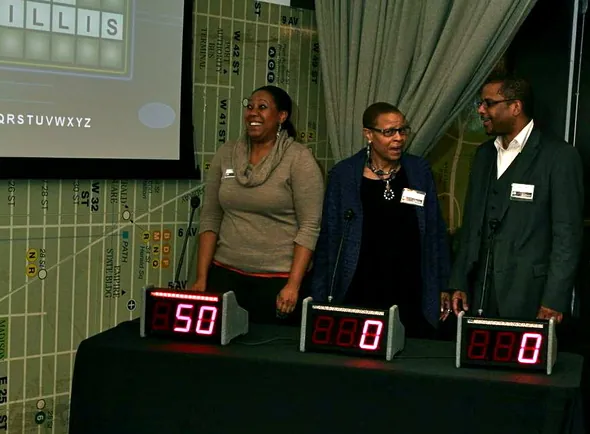
U.S. employee engagement dropped to just 31% in 2024, a ten-year low according to Gallup. At the same time, SHRM reports that the average cost per hire now sits at $5,475, making every preventable departure a direct hit to the budget. Team building events remain one of the most effective ways to rebuild connection, strengthen retention, and turn disengaged employees into contributors who actually want to stay.
Yet most HR professionals who have organized these events will admit the same thing: the hardest part is not picking an activity. It is everything around it. The venue that looked great online but had no parking. The schedule that ran too long. The half of the team that never heard about it until the day before.
If you are an HR leader, office manager, or department head tasked with planning a team building event, this guide walks you through the nine steps that separate forgettable outings from events people talk about for months. Each step includes the mistakes experienced planners regret and the shortcuts that actually work.
Planning a team building event? Our hosted game shows make it easy, for 20 to 300+ people across NJ, NYC and CT.
Before diving into the checklist, it helps to name the obstacles that derail most events. Recognizing them early gives you a planning advantage.
Choosing the wrong format for the group. A ropes course sounds exciting until half your team has mobility limitations or a genuine fear of heights. Format mismatch is the number-one reason events fall flat.
Underestimating the energy curve. Events scheduled after a full workday or squeezed into a lunch hour compete with fatigue. Timing determines participation more than the activity itself.
Skipping pre-event communication. When employees learn about a “mandatory fun” event 48 hours in advance, resistance builds before the day even starts.
Logistics overload on the planner. Coordinating venue access, AV equipment, catering, parking, and activity materials turns one person into an unpaid event producer.
No measurable outcome. Leadership asks, “Was it worth it?” and the planner has nothing beyond a few photos and a vague sense that people smiled.
Every step below addresses at least one of these problems directly.
Step 1: Define Your Objective Before You Pick an Activity
Start with one question: what should be different on the Monday after the event? If you want a newly merged department to learn names, that requires a different format than a leadership team working through communication friction. Write down a single sentence that captures the goal. “Build cross-department familiarity for 60 people from two recently merged teams” is specific. “Improve morale” is not.
This sentence becomes the filter for every decision that follows: venue, activity type, group size, and budget.
Step 2: Know Your Audience (and Their Limits)
Survey your group before committing to a format. A five-question form covers what you need: physical limitations, dietary restrictions, schedule preferences, past event feedback, and activity comfort level. HR leaders who skip this step consistently regret it when 30% of the team opts out of a physically demanding activity.
The inclusivity check
Every participant should be able to fully engage, not watch from the sidelines. Activities that require athletic ability, alcohol consumption, or extended standing automatically exclude portions of most corporate teams. The best formats are those where participation looks the same for everyone, regardless of age, fitness, or personality type.
Step 3: Set the Budget Early and Protect It
Team building budgets expand quietly. A $2,000 activity becomes $4,500 once you add venue rental, catering, transportation, decorations, and a photographer. Set the total number first, then allocate backwards. A reasonable breakdown for a mid-size corporate event:
Activity/entertainment: 40—50% of the total budget
Food and beverages: 25-30%
Venue (if off-site): 15-20%
Miscellaneous (signage, prizes, transport): 5-10%
One way to collapse multiple line items: choose a fully hosted activity provider that brings the entertainment to your location. It’s PlayTyme Game Shows operates this way across New Jersey, New York City, and Connecticut. Their mobile game show setup arrives at your office, hotel ballroom, or conference center, which eliminates venue rental, transportation logistics, and most AV costs in a single decision.
Step 4: Choose the Right Format for Your Group Size
Format and group size are inseparable. An escape room works for 8 people. It does not work for 80. Here is how common formats scale:
Format
Best Group Size
Energy Level
Logistics Burden
Inclusivity
Live game show (hosted)
20-300+
High
Low (provider handles setup)
All abilities
Escape room
4-12 per room
Medium
Medium (travel + booking)
Most abilities
Cooking class
10-30
Medium
High (kitchen venue + ingredients)
Most abilities
Ropes/outdoor course
15-50
High
High (travel + weather + waivers)
Limited
Volunteer project
10-100
Medium
High (coordination + materials)
Varies
Trivia night (DIY)
10-60
Low, Medium
Medium (AV + question prep)
All abilities
Notice the logistics column. Hosted, mobile formats like a live game show place the production burden on the provider, not the planner. That difference matters when the person organizing the event also has a full-time job.
Want an event HR leaders can count on? Tell us your goals and we will handle the host, the games and the prizes.
Three timing principles that experienced HR leaders follow:
Avoid Fridays after 3 PM
People mentally check out. You are competing with weekend plans, and attendance drops. Mid-week (Tuesday through Thursday) between 10 AM and 2 PM consistently produces the best energy and the fewest no-shows.
Never schedule during peak project cycles
Check with department heads before locking a date. An event during a product launch or quarterly close breeds resentment, not bonding.
Give at least three weeks’ notice
This allows people to clear calendars, arrange childcare if the event runs outside normal hours, and mentally prepare. Short notice signals that leadership does not respect employees’ time.
Step 6: Communicate Early, Clearly, and More Than Once
The single biggest regret HR leaders report after a team building event is insufficient communication beforehand. Employees who do not know what to expect default to skepticism. A strong communication plan includes:
Three weeks out: save-the-date email with date, time, location, and a one-sentence description of the activity. No corporate jargon. “We are hosting a live game show competition at the office” works. “Join us for a synergistic engagement opportunity” does not.
One week out: reminder with logistics (parking, dress code, dietary form link). Include a short note from a senior leader explaining why the event matters.
Day before: final reminder with any last-minute updates. Keep it to three sentences.
Each message should answer the question employees actually have: “Do I have to go, and will it be awkward?” Address both directly. Mandatory attendance with a genuinely fun format resolves the tension.
Step 7: Handle Logistics Like a Project (Because It Is One)
Create a simple checklist with owners and deadlines for each item. The basics:
Venue confirmed and deposit paid (or on-site room reserved)
Activity provider booked with a signed agreement
Catering ordered with dietary accommodations confirmed
AV and tech requirements confirmed with the provider
Parking and transportation sorted
Day-of point person identified (not the planner, if possible)
Post-event survey drafted and ready to send
This is where a fully hosted provider dramatically reduces your workload. When It’s PlayTyme runs a corporate team building event, their team arrives with all equipment, handles the setup and teardown, and runs the entire program. The planner’s logistics list shrinks to catering and a room reservation.
Step 8: Run the Event with Energy, Not a Script
The event itself needs a host or facilitator who reads the room and adjusts. This is where DIY formats often fail. A playlist and a stack of trivia cards do not create momentum. A professional host does.
What professional facilitation looks like
A skilled host opens with energy, explains the format in under two minutes, breaks groups into teams quickly, and keeps the competitive tension high without letting it become aggressive. They notice when a group is lagging and adjust the pace. They pull quieter participants into the action without putting them on the spot.
It’s PlayTyme’s game shows are built around this principle. Their hosts have run hundreds of corporate events across NJ, NYC, and CT, and they know how to get a room of skeptical adults laughing within the first five minutes. That skill is not something you replicate with a DIY kit.
Step 9: Measure the Impact and Report Back
Send a short survey within 24 hours while the experience is fresh. Five questions are enough:
How would you rate the event overall? (1-5)
Did you interact with someone you do not normally work with? (Yes/No)
Would you attend a similar event again? (Yes/No)
What was the best part?
What would you change?
Compile the results into a one-page summary for leadership. Include participation rate, average rating, and two or three direct quotes. This turns a “soft” initiative into something with data behind it, and it makes your case for next year’s budget.
How to Select the Right Team Building Partner
The nine steps above work for any team building event. But the provider you choose determines how many of those steps you handle yourself versus how many are handled for you. When evaluating providers, ask these four questions:
Do they come to you, or do you go to them? Mobile providers eliminate venue logistics entirely. Destination activities add transportation, parking, and weather variables.
What is their group size range? A provider that handles 10 to 500+ people gives you flexibility as your team grows. One that caps at 25 forces you to split into sessions.
Is the experience fully hosted? A box of supplies is not an event. A professional host with a production team is. The difference shows in participation and energy.
Do they have a track record in your area? Local experience means the provider knows the venues, the traffic patterns, and the expectations of corporate groups in your region.
It’s PlayTyme checks every box. More than a decade of running live, fully hosted game shows for corporate teams across New Jersey, New York City, and Connecticut. Groups from 20 to 300+. Zero logistics burden on the planner. If you are ready to stop planning from scratch and start working with a team that handles the hard parts, get in touch or explore their event planning options to see how it works.
How do I get reluctant employees to participate in team building?
Communication and format solve most resistance. Tell employees exactly what to expect (no surprises), choose an inclusive activity that does not single anyone out, and pick a format with built-in energy like a live game show. When the activity is genuinely fun, skepticism fades within the first few minutes.
What types of team building activities work for large groups over 100 people?
Live game shows, company-wide trivia competitions, and structured team challenges scale well past 100 participants. The key is professional facilitation and a format designed for large-group dynamics. Escape rooms, cooking classes, and outdoor courses require splitting into small sessions, which defeats the purpose of bringing everyone together.
How do I prove the ROI of a team building event to leadership?
Send a post-event survey within 24 hours and compile participation rates, satisfaction scores, and direct employee quotes into a one-page summary. Track whether cross-department collaboration or communication improves in the weeks following the event. Concrete data turns a “nice to have” into a justified line item for next year.
Yet most teams skip the lighthearted stuff entirely. They jump straight into agendas, project updates, and quarterly reviews without ever pausing to connect as people. The result is a room full of colleagues who know each other’s job titles but not each other’s weekend hobbies, favorite foods, or go-to karaoke songs.
That gap shows up in real ways. New hires sit silently through their first month of meetings. Cross-department teams struggle to collaborate because they have zero rapport. Managers sense low energy but default to another trust fall exercise nobody wants. And when a company event rolls around, half the room stands against the wall with arms crossed. These are the moments where a handful of the right team bonding questions for work change everything.
Love a good bonding question? Turn them into a live game show for your team, hosted on site anywhere in NJ, NYC and CT.
Bonding Questions vs. Building Questions: Know the Difference
Not all team questions serve the same purpose. Team building questions tend to be strategic and goal-oriented: “What does success look like for Q3?” or “How do you prefer to receive feedback?” They belong in structured workshops and planning sessions.
Team bonding questions sit on the lighter, social end of the spectrum. They spark laughter, surface quirky personal details, and lower the invisible walls between colleagues. Think “What is the worst haircut you ever had?” or “If you could only eat one cuisine for a year, what would it be?”
Both matter. But bonding questions are what you reach for during pre-event warmups, the first five minutes of a Monday standup, a team lunch, or the opening moments of a company gathering. They require zero preparation, zero vulnerability coaching, and zero follow-up action items. They just work.
Feature
Bonding Questions
Building Questions
Tone
Lighthearted, social
Strategic, goal-oriented
Best Setting
Warmups, lunches, events
Workshops, offsites, 1-on-1s
Prep Required
None
Moderate (context needed)
Vulnerability Level
Low
Medium to high
Outcome
Laughter, personal connection
Alignment, clarity, trust
Example
“What is your guilty pleasure TV show?”
“What skill do you want to develop this year?”
The Problem With Generic Team Bonding Questions
Knowing that bonding matters and actually making it happen are two different things. Here are the real obstacles teams face.
Awkward Silence After the First Question
A manager asks “So, what did everyone do this weekend?” and gets three-word answers. Generic questions produce generic responses. The questions themselves need to be specific, surprising, and slightly absurd to break through social autopilot.
The “This Feels Forced” Problem
Adults resist anything that feels like a mandatory fun exercise. If the question sounds like it came from a corporate HR handbook, people disengage. The best bonding questions feel like something a friend would ask at a dinner party.
Mixed Comfort Levels in the Room
Introverts, new hires, and remote team members often hang back during open-ended social moments. The right questions give everyone an equal, low-stakes entry point instead of putting the spotlight on one person at a time.
Running Out of Fresh Material
Teams that use the same five icebreakers every week watch engagement drop fast. You need a deep bench of questions organized by category so you never recycle the same prompt twice in a quarter.
Lighthearted “Get to Know You” Questions for Coworkers
These are perfect for first meetings, onboarding sessions, or any time you want low-effort warmth. They reveal personality without requiring anyone to share anything deeply personal.
What is the most unusual job you have ever had?
If your life had a theme song, what would it be?
What is a hobby you picked up during the last two years?
What is the best meal you have ever eaten?
If you could live in any fictional world, which one?
What is something you are surprisingly good at?
What is the first concert or live event you ever attended?
If you had to teach a class on any topic, what would you teach?
What is one thing on your desk right now that says a lot about you?
What is a food combination you love that other people find weird?
Ask these round-robin style so everyone answers the same prompt. It keeps the energy moving and lets people riff off each other’s responses.
Funny Would-You-Rather Questions for Work
Would-you-rather questions force a choice between two absurd options, which naturally sparks debate and laughter. They work especially well in larger groups because everyone forms an instant opinion.
Would you rather have your email tone always sound overly enthusiastic or extremely formal?
Would you rather give every presentation in song or in rhyme?
Would you rather have unlimited coffee for life or unlimited snacks at your desk?
Would you rather always be five minutes early or always arrive exactly on time with zero margin?
Would you rather swap jobs with your manager for a week or swap jobs with the newest intern?
Would you rather have all your meetings standing up or lying down?
Would you rather never use email again or never attend a meeting again?
Would you rather have a talking office plant or a robot assistant that only communicates in riddles?
Pro tip: after each question, ask one or two people to defend their choice. The explanations are always funnier than the answers.
Ready to hear the answers on a scoreboard? Our hosts run team game shows that get every coworker laughing and playing.
These questions push people into imaginative territory. They reveal how colleagues think, dream, and problem-solve outside of work contexts.
If you won the lottery tomorrow, what is the first ridiculous purchase you would make?
You are stranded on a desert island with three coworkers. Who do you pick and why?
If you could have dinner with any person (alive or historical), who would it be?
Your team has to open a restaurant together. What is the concept and who handles what role?
If you could instantly master any skill, what would you choose?
You get to add one rule to the office that everyone must follow. What is it?
If our team were a band, what genre would we play and what is our band name?
You wake up as CEO for a day. What is the first company-wide change you announce?
These work brilliantly as table conversation starters at corporate events, holiday parties, and team dinners. At It’s PlayTyme Game Shows, teams use questions exactly like these as warmups before diving into interactive game show competitions, and the energy shift is immediate.
Quick-Fire Icebreaker Questions for Meetings
Sometimes you have 60 seconds, not 10 minutes. These one-word or one-phrase answer questions keep the pace fast and the mood light.
Coffee or tea?
What is your current phone wallpaper?
Last show you binge-watched?
Morning person or night owl?
One word to describe your week so far?
Sweet, salty, or spicy?
What emoji do you overuse?
Window seat or aisle seat?
What song is stuck in your head right now?
Cats or dogs (no “both” allowed)?
Use these as a standing ritual at the start of weekly meetings. Rotate through a new one each week and watch how quickly it becomes the part of the meeting people look forward to most.
How to Use Team Bonding Questions at Work Events
Team bonding questions are not just for Zoom calls and Monday standups. They become powerful tools at corporate events, company outings, and team retreats when paired with the right format.
Pre-Event Warmups
Start any gathering with three to five bonding questions before the main activity begins. This breaks the ice faster than any name-tag exercise. Teams that warm up with lighthearted questions participate more actively in the event itself.
Table Rounds at Dinners and Galas
Print five questions on cards at each table. Assign a “question host” at each table who reads them out between courses. This prevents the common problem of tables splitting into two or three separate side conversations where half the group stays silent.
Pairing with Interactive Game Shows
The strongest results happen when bonding questions lead into a structured activity. A round of funny icebreakers followed by a competitive team game show creates a natural arc: connect first, then compete together. It’s PlayTyme runs exactly this format for companies across New Jersey, New York City, and Connecticut, turning standard corporate gatherings into events people talk about for months.
Virtual and Hybrid Teams
For remote teams, drop one bonding question into the chat at the start of every video call. Give people 30 seconds to type their answers simultaneously (not one at a time). The chat lights up, energy rises, and the meeting starts on a completely different note.
Matching Bonding Questions to Group Size and Setting
Not every question works for every audience. Picking the right ones depends on three factors: group size, familiarity level, and setting.
For new teams or onboarding groups, stick with lighthearted get-to-know-you questions. Avoid anything that requires insider knowledge or references shared history the new person does not have yet.
For established teams that already know the basics about each other, escalate to hypothetical and would-you-rather questions. These reveal new layers and keep things fresh even for groups that have worked together for years.
For large groups (20+ people), use quick-fire questions that everyone answers simultaneously. Round-robin formats slow down dramatically past 12 people, so opt for show-of-hands polls, chat-based answers, or small-group breakouts with a question prompt at each table.
For formal events like galas, awards dinners, or client appreciation gatherings, keep questions universally safe and humor-forward. Skip anything about work habits or office politics. Lean into food, travel, entertainment, and silly hypotheticals.
The most reliable approach is to pair bonding questions with a professionally facilitated team experience. When a skilled host guides the energy in the room, even the quietest team members open up. That is exactly what makes It’s PlayTyme’s team building programs effective: trained hosts read the room, adjust the pace, and ensure every person participates without anyone feeling put on the spot.
Ready to turn your next team gathering into something people actually enjoy? Get in touch with It’s PlayTyme Game Shows to bring interactive game show energy to your workplace, corporate event, or team retreat across NJ, NYC, and CT.
What are team bonding questions and how are they different from icebreakers?
Team bonding questions are lighthearted, social prompts designed to help coworkers connect on a personal level. Icebreakers are a broad category that includes bonding questions, but also covers structured activities and games. Bonding questions are the simplest form: no props, no rules, just a fun question and honest answers.
How many team bonding questions should I use in a meeting?
For a standard meeting, one or two questions at the start is enough to shift the energy without eating into the agenda. For dedicated team events or retreats, use five to eight questions spread across the session. Quality beats quantity, so pick questions that match your group’s personality.
Do team bonding questions work for remote and hybrid teams?
Absolutely. Remote teams often benefit even more from bonding questions because they lack the casual hallway conversations that in-office teams get naturally. Drop a question in the chat at the start of video calls and let everyone respond simultaneously. It creates shared energy even through a screen.
When is the best time to use team bonding questions at work?
The three strongest moments are the opening minutes of a meeting, the start of a team event or offsite, and during lunch gatherings. These are transition points where people shift from individual mode to group mode. A well-timed question accelerates that shift.
What makes a team bonding question effective versus awkward?
Effective bonding questions are specific, slightly surprising, and low-stakes. “What did you do this weekend?” is too generic and produces flat answers. “What is the most overrated food that everyone else seems to love?” is specific enough to spark genuine reactions. Avoid questions that touch on finances, relationships, or anything that forces vulnerability before trust is established.
Can team bonding questions actually improve productivity, or are they just fun?
Both. McKinsey research found that social connection tools raise knowledge-worker productivity by 20 to 25 percent. When colleagues know each other beyond job titles, collaboration becomes faster and more natural, which shows up in measurable output.
Only 20% of employees worldwide feel engaged at work, according to Gallup’s latest global workplace report. That disengagement doesn’t pause during company events. Meanwhile, 93% of organizations now prioritize hosting events as a top engagement and marketing channel, per Harvard Business Review. The gap between wanting great events and actually delivering them is where most planners get stuck.
Corporate event game show ideas solve that gap directly. Instead of hoping attendees mingle on their own or scheduling another panel nobody remembers — a game show format gives the room structure, energy, and a reason to participate. The format works because it removes the awkwardness of forced networking while keeping every person in the room actively involved.
But finding the right format is harder than it sounds. Planners juggle tight budgets, mixed age groups, executives who refuse anything “cheesy,” remote employees dialing in from three time zones, and venues that limit what you actually set up. The wrong entertainment choice wastes money and leaves attendees checking their phones. The right one turns a forgettable gathering into the event people reference for months.
Planning a corporate event? Choose from our game show formats and we will host it live for 20 to 300+ guests in NJ, NYC and CT.
What Traditional Entertainment Gets Wrong at Corporate Events
Before exploring specific corporate event game show ideas, it’s worth naming the real obstacles that make event planning so difficult. These are the problems that game show formats are built to address.
Low participation rates: Traditional entertainment (DJs, speakers, open bars) creates spectators, not participants. Half the room disengages within 20 minutes.
Mixed demographics: A room with interns and C-suite executives, ages 22 to 65, needs something that doesn’t alienate either end.
Budget uncertainty: Per-person pricing models make costs unpredictable. A flat-rate option is easier to approve.
Remote and hybrid teams: Post-2020, many companies have employees across multiple offices or fully remote. Entertainment that only works in person excludes a significant portion of the team.
The “forced fun” problem: Trust falls and ropes courses trigger eye rolls. Adults want entertainment that respects their intelligence while still being genuinely fun.
Why Game Shows Work for Corporate Events
Game shows succeed where other formats fail because they have built-in mechanics for engagement. A host drives the energy. Rounds create natural pacing. Teams form quickly without awkward icebreakers. Scoring gives the room a shared focus. And the competitive element keeps even the most skeptical attendees paying attention.
It’s PlayTyme Game Shows has run over 3,000 corporate events across New Jersey, New York City, and Connecticut using exactly this approach. Their professional hosts, studio-quality AV setups, and flat-rate pricing remove the guesswork for planners. Here are 15 formats that consistently deliver results.
High-Energy Game Show Formats
1. Company Feud
Modeled after the classic Family Feud format, Company Feud puts departments or teams head-to-head with survey-style questions. The host reads a prompt, teams race to guess the top answers, and the room erupts when someone nails the number-one response. This format works for groups of 20 to 300+ and requires zero preparation from attendees.
2. Minute to Win It Challenges
Fast-paced physical challenges using everyday office supplies keep the energy high and the laughter constant. Stack cups, bounce ping pong balls, or balance objects under a 60-second clock. This format is ideal for holiday parties and team outings where you want people moving, not sitting.
3. Lip Sync Battle
Teams select a song, rehearse for five minutes, and perform in front of the group. A panel of judges (usually executives or guest VIPs) scores each performance. The format is surprisingly effective at breaking down hierarchy: watching your VP lip sync to a pop hit changes the dynamic in the room permanently.
4. Musical Bingo
A twist on traditional bingo where participants mark off songs instead of numbers as clips play through the sound system. It works well as a pre-dinner activity or conference icebreaker because it requires no team formation and accommodates any group size.
5. Beat the Clock Relay
Teams compete through a series of timed relay stations, each with a different challenge. The format combines physical activity with problem-solving and keeps large groups engaged because multiple stations run simultaneously.
Team-Focused Game Show Formats
6. Corporate Jeopardy
Custom categories built around your company’s history, industry knowledge, and pop culture create a trivia experience that feels personal to your organization. Three to six teams compete on professional buzzer systems with a live scoreboard. This is one of the most requested team building activities for a reason: it rewards collaboration and knowledge-sharing across departments.
7. Office Trivia Night
Broader than Jeopardy, a full trivia night runs multiple rounds covering different topics: company facts, general knowledge, music clips, picture rounds, and “name that colleague” questions pulled from employee submissions. Rounds keep the format fresh across 60 to 90 minutes.
8. Wheel of Fortune Challenge
Teams spin a physical prize wheel and solve word puzzles projected on screen. The tactile element of the wheel adds excitement that purely digital formats miss. Customize puzzles around your company’s products, mission statement, or inside jokes for added relevance.
9. Team Trivia Tournament
A bracket-style elimination tournament where teams of four to six compete across multiple rounds over an evening. Winners advance. Losers join a consolation bracket. The tournament structure adds stakes that keep teams invested even after they’ve been eliminated from the main bracket.
10. PlayPad Mania
A tablet-based interactive game show where every participant answers simultaneously on their own device. Questions display on a main screen, and individual scores aggregate into team totals in real time. This format works exceptionally well for hybrid events because remote employees participate on equal footing with in-person attendees.
Not sure which format fits your guests? Tell us about your event and we will recommend the right game show.
Inspired by the NBC series, this format strings together multiple mini-games in a fast-paced variety show structure. Games rotate every 10 minutes, keeping energy high and giving different personality types a chance to shine. Outgoing employees thrive in performance rounds while analytical team members dominate the puzzle segments.
12. Decades Music Challenge
Teams compete to identify songs from the ’70s through today. Each decade gets its own round, and bonus points go to teams that perform a snippet of the song. The format bridges generational gaps in mixed-age groups because everyone has a decade they dominate.
13. Holiday Party Game Show Spectacular
A seasonal mashup combining elements of multiple game show formats with holiday-themed questions and challenges. Winter trivia, gift-wrapping races, holiday movie quotes, and ugly sweater contests fold into one hosted event. This replaces the standard DJ-and-dance-floor holiday party with something interactive.
14. Conference Icebreaker Game Show
Designed specifically for conferences and large meetings, this 30-to-45-minute format gets attendees interacting before the first keynote. Short rounds, audience polling technology, and a professional host warm up a room of strangers faster than any networking cocktail hour.
15. Custom Brand Experience
A fully tailored game show built around your company’s brand, products, and culture. Questions, visuals, music, and even the set design reflect your organization. This format works best for product launches, annual meetings, and milestone celebrations where the event needs to feel uniquely yours.
Format
Best For
Group Size
Duration
Energy Level
Company Feud
All-hands meetings
20-300+
60-90 min
High
Minute to Win It
Holiday parties
20-300+
60 min
Very High
Lip Sync Battle
Team outings
30-300
60-90 min
Very High
Musical Bingo
Pre-dinner events
20-300+
45-60 min
Moderate
Corporate Jeopardy
Team building
20-300+
60-90 min
High
Office Trivia Night
Department events
20-300+
60-90 min
Moderate
Wheel of Fortune
Sales kickoffs
20-150
45-60 min
High
PlayPad Mania
Hybrid events
20-300+
45-75 min
High
Hollywood Game Night
Award ceremonies
30-200
90 min
Very High
Decades Music Challenge
Mixed-age groups
20-300+
60 min
High
Holiday Spectacular
Holiday parties
20-300+
90-120 min
High
Conference Icebreaker
Conferences
50-1,000
30-45 min
Moderate
Custom Brand Experience
Product launches
20-300+
60-120 min
High
What Sets a Professional Game Show Apart from DIY
Anyone with a laptop and a projector can run a trivia quiz. A professional game show is a different product entirely. The difference shows up in three areas.
Production quality: Professional setups include studio-grade sound systems, wireless buzzers, LED scoreboards, branded stage elements, and a host who reads the room and adjusts pacing in real time. The production value signals to attendees that the company invested in their experience.
Host expertise: A trained game show host does more than read questions. They manage energy, handle hecklers gracefully, pull quiet teams into the action, and keep the event on schedule. This skill set takes years to develop and makes or breaks the experience.
Logistics handled: Setup, teardown, AV coordination with your venue, content customization, and backup plans for technical issues all fall on the provider. Planners hand off the entertainment block entirely and focus on the rest of the event.
It’s PlayTyme delivers all three with flat-rate pricing (no per-person surprises) and handles events across New Jersey, NYC, and Connecticut. Their team arrives early, coordinates with venue staff, and runs the show from start to finish.
How to Match the Right Game Show Format to Your Event
Choosing among these corporate event game show ideas comes down to four factors: your audience, your venue, your goals, and your timeline.
Know your audience. A room of senior executives responds differently than a group of sales reps fresh off quota. For executive retreats and corporate team building events, choose formats that reward strategic thinking (Jeopardy, Wheel of Fortune). For sales teams and younger groups, high-energy physical formats (Minute to Win It, Lip Sync Battle) generate the most enthusiasm.
Match the venue. A hotel ballroom supports full AV production. A rooftop bar does not. Confirm your venue’s power access, screen availability, and noise restrictions before selecting a format. Tablet-based formats like PlayPad Mania work in spaces where a full stage setup is impractical.
Define the outcome. If the goal is cross-department networking, choose formats that shuffle teams (trivia tournaments, Hollywood Game Night). If the goal is pure celebration, go with performance-based formats (Lip Sync Battle, Musical Bingo). If you need to reinforce company knowledge after a training session, custom trivia built around the material turns retention into entertainment.
Plan your timeline. Most groups book 4 to 8 weeks ahead, and shorter notice often works when the date is free. For December parties, book 6 to 8 weeks ahead. Start the conversation early, especially for groups over 200.
Ready to pick the right format for your next corporate event? Reach out to the It’s PlayTyme team to discuss your group size, venue, and goals. Their planners match you with the format that fits and handle every detail from there.
Professional corporate game shows typically run on flat-rate pricing rather than per-person models. Costs vary based on group size, format complexity, and event duration. It’s PlayTyme provides transparent quotes after a brief consultation about your specific event needs.
What group size works best for a corporate game show?
Most formats accommodate groups from 20 to 300+ people. Trivia and buzzer-based games work well for mid-size groups of 30 to 150. For larger conferences or all-hands meetings over 200, tablet-based formats and audience polling technology keep every attendee involved regardless of room size.
Do corporate game shows work for remote or hybrid teams?
Yes. Formats like PlayPad Mania use individual devices that remote employees access from anywhere. Questions display on a shared screen (streamed via video conference), and scoring updates in real time for both in-person and remote participants. Hybrid-friendly formats have become standard since 2020.
Are corporate game shows appropriate for executive audiences?
Absolutely. Formats like Corporate Jeopardy, Wheel of Fortune, and custom trivia are designed for professional settings. A skilled host reads the room and adjusts tone, pacing, and humor to match the audience. Executives consistently rate well-produced game shows higher than traditional dinners or speaker events.
The first week of college sets the tone for everything that follows, and the students who connect early are the ones who stay. Gallup research links a strong sense of belonging on campus to higher engagement and persistence, a finding detailed in the Gallup State of the Global Workplace report on what drives people to commit to an institution. Welcome week is where that belonging starts.
The stakes are concrete. National data shows that roughly three-quarters of first-time, full-time students return for a second year, which means a quarter do not, according to the National Center for Education Statistics. Strong orientation programming moves that number, because students who make friends in week one are far more likely to come back.
Orientation teams know the obstacles well. You are welcoming thousands of nervous first-years, many of them away from home for the first time, on a packed schedule with a stretched budget. You need events that break the ice fast, work for huge crowds, appeal across very different personalities, and pull students away from their dorm rooms. The activities below cover the full week.
Planning welcome week? Our hosted game shows help new students meet and mingle, on campus anywhere in NJ, NYC and CT.
The best activities lower the social risk of meeting strangers. A shared task or a friendly game gives nervous students an easy reason to talk, which beats the awkward pressure of a mixer with no structure.
Scale matters too. A great welcome week event works for a few dozen students in a residence hall and for a thousand at a stadium kickoff. Plan a mix so every student finds a room where they feel comfortable joining in.
Day-One Icebreakers That Actually Work
Skip the name-tag-and-stand-in-a-circle routine and use activities that create real conversation. These run in residence halls, orientation groups, and first-class meetings.
Speed-friending rounds with rotating prompts
Campus scavenger hunts that mix navigation with team tasks
Common Ground challenges where small groups race to find shared interests
Identity bingo built on hobbies and hometowns rather than labels
Each format gives students a script for the first conversation, which is exactly what nervous first-years need. The friendships that start here often last all four years.
Large-Scale Events for the Whole Class
Big kickoff events build class identity and give everyone a shared first memory. They work because the energy of a crowd makes joining in feel safe.
An outdoor field day with team challenges and music
A campus-wide trivia night with residence halls competing
A late-night programming series as an alternative to off-campus parties
A hosted game show that turns a full auditorium into one engaged crowd
These marquee events anchor the week. Students remember the night the whole class laughed together far longer than they remember any tabling fair.
Crowd Size and Anxiety Make Welcome Week Hard
Crowd size is the first challenge. Programming for thousands of students with different interests means a single activity rarely fits everyone, so the schedule needs variety and several simultaneous options.
Engagement is the second. Homesick or anxious first-years often retreat to their rooms, and an event that demands too much social courage stays empty. Low-pressure, team-based formats coax students out without forcing the spotlight on anyone.
Budget and staffing finish the list. Orientation leaders are stretched thin, and the calendar is tight, so high-impact events that run themselves are worth their cost. A turnkey program that arrives ready to go saves your team the production headache.
Want a welcome event the whole class shows up for? We bring the host, the games and the prizes.
Standard welcome week fare leans on icebreakers and tabling, and both have their place, but a hosted game show stands above them as the marquee night. A professional host, team buzzers, and a giant scoreboard turn a hall full of strangers into one cheering crowd within minutes. It’s PlayTyme Game Shows produces interactive programs for colleges across New Jersey, New York City, and Connecticut, built to engage a large first-year audience all at once.
The format solves the connection problem directly. Team rounds seat strangers together and give them an instant shared goal, so friendships form over a buzzer rather than a forced introduction. The live energy also makes a powerful, sober alternative to off-campus parties, which is exactly the programming many student-affairs teams want during the first week.
For a student association weighing how to spend its welcome-week budget, a single hosted show often delivers more lasting connection than a dozen smaller events combined. It becomes the night first-years talk about for the rest of the semester.
Building a Full Welcome Week Schedule
Sequence the week from small to large. Open with residence-hall icebreakers so students meet their immediate neighbors, build toward group activities across campus, then peak with a class-wide marquee event near the end of the week.
Balance the energy too. Pair high-octane nights with quieter options like coffee socials and interest meetings, so introverts and extroverts both find their place. A schedule with that range keeps participation high all seven days, and it gives every first-year at least one event that feels made for them.
Promote the schedule everywhere students look. Push the lineup through social media, residence-hall flyers, and orientation-leader word of mouth, because even the best event draws an empty room without strong publicity. Early, repeated promotion turns a good plan into a packed week.
Planning the marquee night for your incoming class? Send the details through our contact page, and explore our team building programs that fit a large first-year crowd. For department mixers and staff kickoffs, our corporate events bring the same hosted energy to smaller groups.
What to Consider When Choosing Welcome Week Events
Match each event to its goal and its crowd. For the first meetings between neighbors, choose low-pressure icebreakers that give students an easy opening line. For building class identity, pick large team events that put everyone in the same room with a shared aim.
For the one night the whole class remembers, invest in a professionally hosted game show that engages a full auditorium and doubles as a sober alternative to off-campus parties. Weigh your crowd size, your budget, and your staff capacity, then build a week that moves from small and personal to large and memorable.
What are the best welcome week activities for college students?
The best mix spans small and large: speed-friending and scavenger hunts for early connection, field days and trivia nights for class energy, and a hosted game show for the marquee event. Variety ensures every personality finds a comfortable way to join in.
How do welcome week activities improve student retention?
Students who make friends in the first week feel a stronger sense of belonging, which is closely tied to returning for a second year. Connection-focused programming directly supports the retention goals every orientation team cares about.
How do you engage shy or homesick first-year students?
Use team-based, low-pressure activities that give nervous students a clear task and a small group instead of a spotlight. Hosted game shows work especially well because team rounds create instant connection without forcing anyone to perform alone.
What works as a sober alternative to off-campus parties?
High-energy, late-night campus programming fills that need, and a hosted game show is among the strongest options. It delivers the social buzz students are seeking in a supervised, on-campus setting that student-affairs teams can support.
How far in advance should we plan welcome week?
Begin planning several months ahead, especially for marquee events that require booking a host or venue. Early planning locks in your dates, secures vendors, and gives your team time to promote the schedule to incoming students.
Onsite wellness activities for employees address both problems at once. They bring stress relief, physical movement, and genuine social connection directly into the workplace, where people spend most of their waking hours. When wellness happens at work (not as a distant benefit employees rarely use), participation rates climb and the results show up in morale, retention, and productivity.
But most HR teams hit the same wall: tight budgets, low participation in existing programs, skepticism from leadership about ROI, and the sheer difficulty of finding activities that appeal to a diverse workforce. A lunchtime yoga class sounds great until only four people show up. A step-count challenge works for some departments but alienates others. The gap between “having a wellness program” and “running onsite wellness activities employees actually enjoy” is wider than it looks.
Planning onsite wellness activities? Add a hosted game show that brings your team together, anywhere in NJ, NYC and CT.
Gym memberships, meditation app subscriptions, and wellness stipends all share one flaw: they rely on employees to act on their own time. Usage rates for these perks consistently fall below expectations. Onsite wellness activities remove that friction entirely. The activity comes to the employee, fits within the workday, and happens in a group setting that adds social accountability.
Onsite programs also send a visible signal. When a company brings a wellness activity into the office, it communicates that employee health is a priority during work hours, not an afterthought outsourced to a benefits portal. That signal matters for culture. Employees who see their employer investing real time and space in wellness report higher job satisfaction and stronger loyalty to their organization.
There is also a practical advantage: onsite activities serve the entire team at once. Remote perks are individual. A group stretching session, a team cooking demo, or a live game show brings people together across departments, building the kind of informal relationships that make collaboration easier long after the event ends.
Why So Many Workplace Wellness Programs Stall
Running onsite wellness activities for employees is not as simple as booking a conference room and ordering resistance bands. Organizations face real obstacles that explain why many programs stall or fail.
Low participation: Employees skip activities they find boring, intimidating, or irrelevant. A program designed around one definition of wellness (usually fitness) alienates people who do not identify as “athletic.”
Budget constraints: Wellness spending competes with every other HR initiative. Leaders want proof that the investment produces measurable outcomes before approving recurring costs.
Scheduling conflicts: Finding a time slot that works across shifts, departments, and meeting schedules is a logistical headache. Mandatory attendance breeds resentment; optional attendance produces empty rooms.
Variety fatigue: Repeating the same activity every month (meditation Monday, fruit basket Friday) leads to declining interest. Employees want novelty, but planning fresh programming takes time most wellness coordinators do not have.
Measuring impact: Proving ROI on wellness is difficult. Reduced absenteeism and higher engagement scores take months to materialize, and attributing those gains to a specific activity is imprecise.
The solution is not to abandon onsite wellness. It is to mix activity types, alternate between self-directed and facilitated formats, and bring in outside partners for the events that require professional production.
Quick In-Office Wellness Activities Any Team Runs Today
Not every wellness activity requires a vendor or a large budget. Some of the most effective onsite options cost nothing and take under 30 minutes.
Desk Stretching and Guided Breathing
A 10-minute guided stretch session at 2:00 PM fights the afternoon energy dip better than coffee. One team member leads a set of seated stretches and a 60-second breathing exercise. No equipment needed. Rotate the leader each week to keep it fresh and give employees a low-pressure facilitation opportunity.
Walking Meetings
Replace one sit-down meeting per week with a walking meeting. Research consistently shows that walking improves creative thinking. Walking meetings work best for brainstorming sessions, one-on-ones, and status updates (skip them for anything requiring a screen share).
Gratitude and Recognition Boards
Place a physical or digital board in a common area where employees write short notes recognizing a colleague. This takes five minutes to set up and costs almost nothing, but it directly supports emotional wellness by strengthening workplace relationships and making people feel seen.
Structured Onsite Wellness Events That Drive Real Engagement
Quick activities build daily habits. Structured events create memorable experiences that shift how employees feel about their workplace. The difference between a stretch break and a professionally facilitated team event is the difference between maintenance and transformation.
It’s PlayTyme Game Shows runs live, interactive game show experiences directly at corporate offices across New Jersey, New York City, and Connecticut. These are fully produced events with professional hosts, custom trivia, music, lighting, and team-based competition designed to get every person in the room engaged, not just the extroverts.
Why does a game show qualify as a wellness activity? Because wellness is not limited to yoga mats and smoothies. Laughter reduces cortisol. Social connection buffers against burnout. Friendly competition produces dopamine. A 60 to 90 minute It’s PlayTyme event delivers all three in a format that requires zero athletic ability and zero preparation from participants. Employees walk in, play, laugh, bond, and walk out with energy they did not have before.
The structured format also solves the participation problem. Game shows are inclusive by design. Trivia, word puzzles, and team challenges appeal across ages, fitness levels, and personality types. Participation rates for game show events consistently outperform traditional wellness programming because the activity feels like a reward, not an obligation.
Movement and Fitness Activities for the Office
For teams that want a physical component, several onsite fitness options work in standard office spaces without specialized equipment.
Chair yoga: A certified instructor leads a 30-minute session using only office chairs. Excellent for posture correction and stress relief. Works in conference rooms.
Step challenges: Month-long team step competitions using phone pedometers. Post a leaderboard in the break room. Reward the winning team with a group lunch or extra PTO hours.
Dance breaks: A five-minute playlist at 3:00 PM with permission to stand and move. It sounds silly. It works. The key is leadership participation: when a manager dances, everyone dances.
Onsite fitness classes: Hire a trainer for a weekly 30-minute session (bodyweight circuits, resistance bands, or stretching). Rotate between strength, flexibility, and cardio themes monthly.
The rule for fitness-based wellness activities is the same across the board: make them optional, offer modifications, and never shame non-participants. The goal is to invite movement, not mandate it.
Mental Health and Stress Relief Activities
Physical activity covers one dimension of wellness. Mental health deserves equal attention in any onsite program.
Mindfulness Sessions
A weekly 15-minute guided meditation session, held in a quiet room with the lights dimmed, gives employees a structured opportunity to decompress. Apps like Calm or Headspace offer guided sessions, or bring in a local meditation teacher once a month for a live experience.
Journaling Prompts
Distribute a weekly journaling prompt via email or Slack. Topics like “What gave you energy this week?” or “Name one boundary you want to set next week” encourage self-reflection without requiring group vulnerability. Provide physical journals as a low-cost perk.
Lunch-and-Learn Mental Health Talks
Invite a licensed therapist or counselor to speak on topics like managing workplace anxiety, setting boundaries, or recognizing burnout. These talks normalize conversations about mental health and connect employees to resources they did not know existed.
Want wellness that feels fun? We can build game rounds around your wellness themes and goals.
Social Connection Activities That Double as Wellness
Loneliness at work is a wellness issue that rarely appears on program agendas. Employees who feel isolated disengage faster and report lower overall wellbeing. Social activities address this directly.
Activity Type
Time Needed
Group Size
Wellness Benefit
Setup Effort
Desk Stretching
10 min
Any
Physical, stress relief
None
Walking Meetings
20-30 min
2-4
Physical, creativity
None
Game Show Event (It’s PlayTyme)
60-90 min
20-300+
Social, laughter, stress relief
Handled by vendor
Chair Yoga
30 min
10-30
Physical, mental
Hire instructor
Guided Meditation
15 min
Any
Mental, stress relief
Minimal
Team Cooking Demo
45-60 min
8-20
Social, nutrition
Moderate
Gratitude Board
5 min/day
Any
Emotional, social
None
Team lunches, coffee roulette programs (random pairings for a 20-minute coffee chat), and group volunteer outings all build social bonds while supporting emotional wellness. The key is consistency. A one-time team lunch is a nice gesture. A monthly team lunch is a wellness strategy.
Game show events stand out in this category because they combine social connection with active engagement. Unlike a team dinner where introverts sit quietly, a well-facilitated game show structures interaction so everyone participates naturally. It’s PlayTyme’s format uses team-based rounds that require collaboration, making connection a built-in outcome rather than something employees have to initiate on their own.
Building an Onsite Wellness Calendar That Lasts
One-off events generate excitement. Sustained programs generate results. The most effective approach combines daily micro-activities, weekly group sessions, and monthly or quarterly signature events.
A practical monthly framework looks like this:
Daily: Encourage walking meetings and desk stretches (no budget, no coordination required).
Weekly: Rotate between a guided meditation session, a fitness class, and a social activity like coffee roulette.
Monthly: Host one larger event: a lunch-and-learn, a cooking demo, or a professional team experience.
Quarterly: Bring in an outside partner for a high-energy signature event. This is where a professionally produced game show or team-building experience makes the biggest impact. It breaks routine, rewards employees, and re-energizes the entire wellness program.
Survey employees every quarter to learn what they liked, what they skipped, and what they want next. Adjust the calendar based on real feedback, not assumptions. The programs that last are the ones employees help shape.
Choosing Wellness Activities That Actually Fit Your Workforce
Start with your workforce, not a trend list. A warehouse team with physical jobs needs different wellness support than a desk-bound software team. Survey employees about their interests, preferred time slots, and barriers to participation before building your program.
Balance activity types across the physical, mental, social, and emotional dimensions of wellness. A program built entirely around fitness excludes employees who need stress management or social connection more than exercise. Variety in format (self-directed, group, facilitated) ensures something resonates with every personality type.
For signature events, invest in professional facilitation. The difference between a DIY office trivia game and a professionally hosted experience is enormous. Production quality signals that the company takes wellness seriously. High-energy events from providers like It’s PlayTyme create the kind of shared memories that strengthen team cohesion for months after the event.
Track participation rates, post-event feedback scores, and quarterly engagement survey trends. These numbers give you the evidence to defend and expand your wellness budget over time.
Ready to add a high-energy wellness event to your onsite calendar? Contact It’s PlayTyme Game Shows to book a live game show experience for your team in New Jersey, NYC, or Connecticut. Browse all team-building activities to find the right fit for your next event.
What are the best onsite wellness activities for large groups?
Live game show events, group fitness classes, and team-based challenges work well for groups of 20 or more. Game shows are especially effective because they scale to hundreds of participants while keeping everyone actively engaged through team-based rounds and interactive competition.
How often should companies run onsite wellness activities?
Daily micro-activities (stretches, walking meetings) combined with weekly group sessions and one larger monthly event produce the strongest results. Quarterly signature events from outside providers keep the program fresh and give employees something to look forward to.
Do onsite wellness programs reduce employee turnover?
Yes. Employees who feel their company genuinely invests in their wellbeing are significantly more likely to stay. Onsite programs are particularly effective because they demonstrate commitment during the workday, not as an off-hours perk employees rarely use.
How do you get employees to participate in wellness activities?
Offer variety across physical, mental, and social categories so every employee finds something appealing. Schedule activities during work hours, make them optional, and start with high-energy events that build excitement. Leadership participation is the single biggest driver of employee attendance.
What is the cost of onsite wellness activities for employees?
Costs range from zero (walking meetings, desk stretches, gratitude boards) to a few hundred dollars per session (yoga instructors, meditation teachers) to professional event pricing for fully produced experiences like game shows. Most companies build a mix of free daily activities and budgeted monthly or quarterly events.