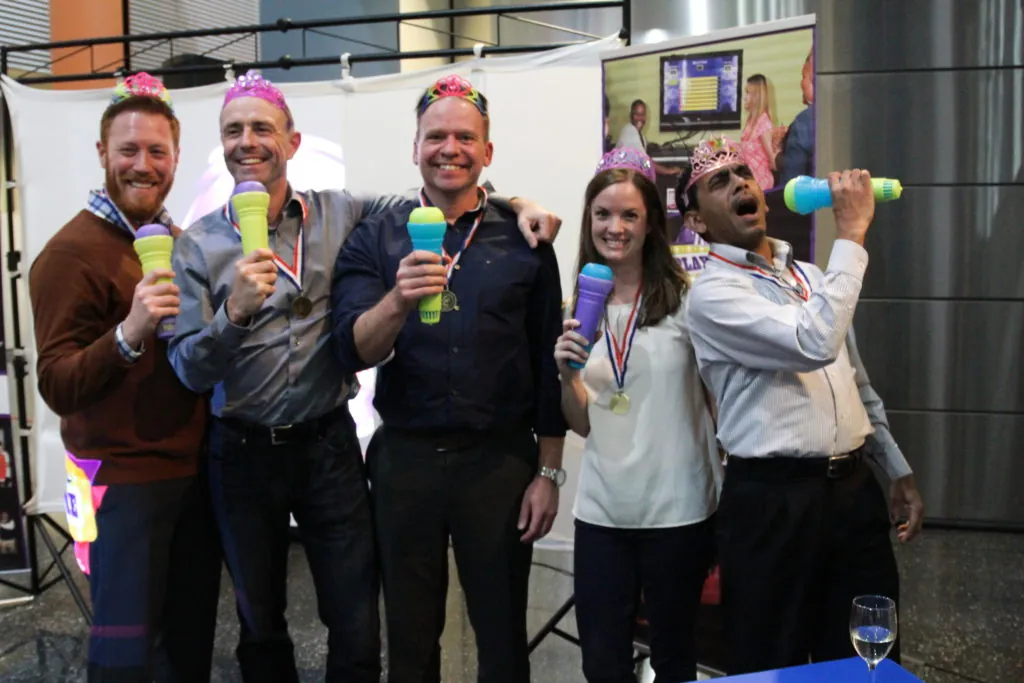
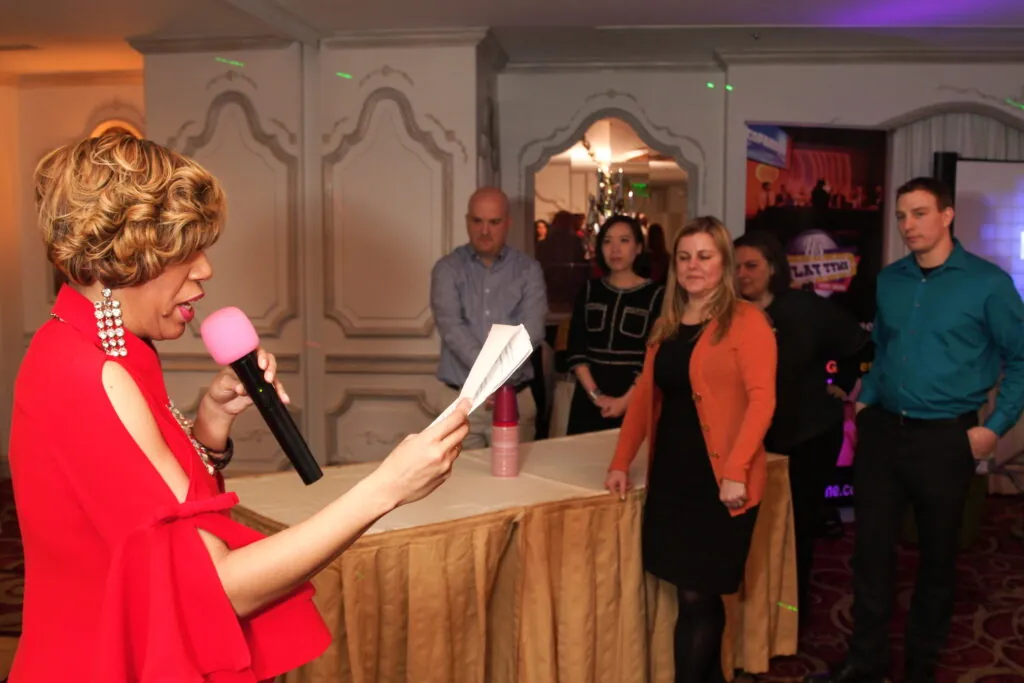
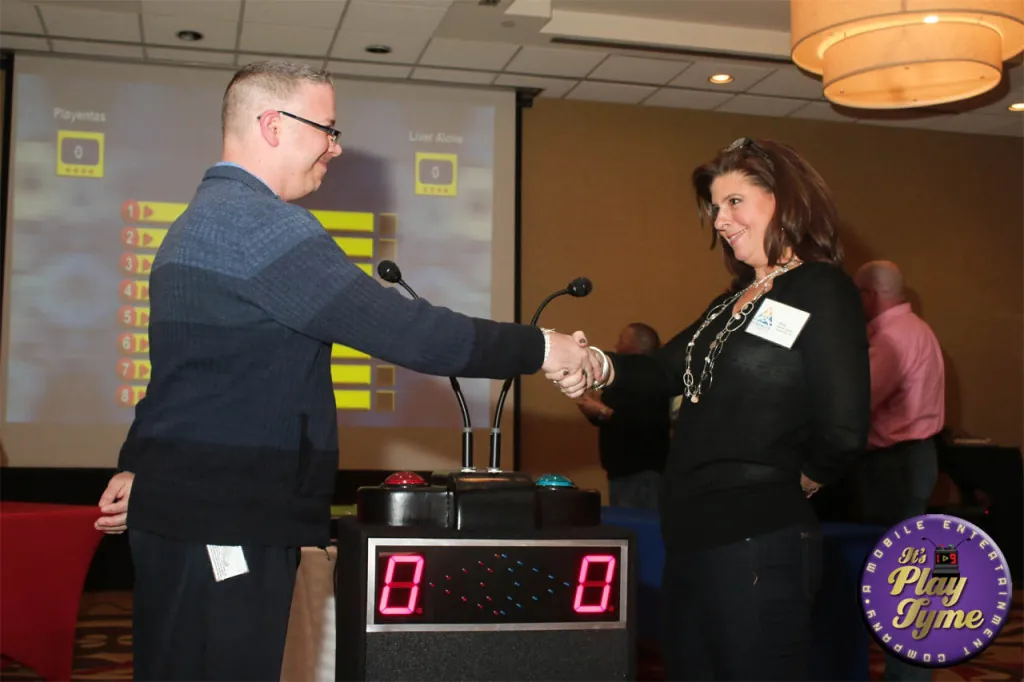
Quick answer: Yes or no questions are simple conversation starters that help break the ice and get people talking. Match the question to the setting: ice-breakers to get started, team building questions for coworkers, fun and casual ones for parties and dates. Ask a few well-thought-out questions, then follow each answer with ‘why’ to keep the conversation going.
Yes or no questions are deemed to be great conversation starters that encourage meaningful dialogue. Do you want to start meaningful conversations with friends, family, and colleagues? Are you in need of a few tips on how to ask effective questions?
Then look no further! In this article, we’ll discuss the different types of yes or no questions that could help spice up your conversations and connections. We’ll also provide tips on how to properly ask these questions and how to respond appropriately.
With just a few simple steps, you can make every personal and professional conversation count. So let’s get started.
Are you looking for a way to spice up your conversations and connections? Then, simple yes or no questions are the answer.
These powerful questions help you engage in more interesting conversations, build meaningful relationships, and discover more about yourself and others.
By using yes or no questions, you can learn how people think, uncover their values and beliefs, gain insight into different perspectives, challenge yourself to explore new possibilities, and break through barriers.
Want to put your Yes or No questions to work? We host interactive game shows for teams of 20 to 300+ across NJ, NYC and CT.
You can use yes or no questions to make conversations more engaging and meaningful. Asking these types of questions encourages people to think deeper and provide insightful answers.
Whether you’re having an intimate conversation with a friend or trying to get to know someone new, yes or no questions can help create strong connections between people. With the right approach, they can add depth and spark real conversations that lead to positive outcomes for everyone involved.
Also we developed a list of this or that questions you may find intriguing when chatting with someone. Both type of questioning might be the spark that ignites an interesting conversation.
You’ll be amazed at how much better your conversation will flow, So why wait? Start asking these powerful questions now!
What are Yes or No Questions?
You’re probably looking for a way to make your conversations more engaging and meaningful. Why not try asking some yes or no questions? Yes or no questions are conversation starters that are designed to encourage people to think, laugh, and engage in deeper conversations. They can be used as icebreakers, conversation games, or even just for fun!
Here are some of the advantages of using yes or no questions:
* They help break the ice in awkward situations * They provide an opportunity to learn more about someone’s opinions * They create an atmosphere of fun and laughter with funny answers!
So next time you want to spice up your conversations and connections, try out these yes or no questions! With a few simple questions, you can transform any dull conversation into one that’s full of life, laughter, and connection.
Why Use Yes or No Questions?
Yes or no questions can be a great way to add a level of complexity and engagement to one’s interactions, encouraging meaningful dialogue and fostering stronger bonds.
They provide an opportunity for both parties in the conversation to explore each other’s thoughts more deeply, as well as gain insight into their own.
Not only do they help strengthen relationships but also encourage people to think more critically about their ideas and beliefs. Using yes or no questions is also a great way to keep conversations interesting and entertaining.
By asking thought-provoking questions, you can engage in lively debates that stimulate creativity, critical thinking, and problem-solving skills – all of which are essential for making lasting connections with others. Plus, it adds some fun into the mix.
Various Types of Yes or No Questions
Are you looking to spice up conversations and connections? The below yes or no questions are a great way to do that!
Ice breaker yes or no questions – help break the ice.
Team building yes or no questions – help build trust and connection between people.
Fun and casual yes or no questions – can make conversations more lighthearted.
A – Ice-Breaker Yes or No Questions
Ready to add some excitement to your interactions?
Try out a few of these ice-breaker yes or no questions and watch as the conversation heats up.
No.
Ice-Breaker Yes or No Questions
1.
Are you a morning person?
2.
Have you ever traveled outside the country?
3.
Do you enjoy outdoor activities?
4.
Is reading one of your hobbies?
5.
Do you like animals?
6.
Do you listen to music daily?
7.
Have you ever run a marathon?
8.
Do you believe in love at first sight?
These yes or no questions are designed to kick-start conversations in a relaxed, non-threatening manner. They cover a range of interests and can be used in various social settings.
These quick questions are great for easing into conversations and helping people connect quickly. They allow both parties to share a bit about themselves without having to dive into a long discussion right away. Plus, they’re fun and entertaining too.
Yes or no questions are an easy way to get started, providing an opportunity for light-hearted conversations that can help strengthen bonds. So why not add a bit of spice to your next meeting with these fun and informative questions!
Here are some great examples of team building questions:
Do you like participating in team challenges?
Can working together as a group create better ideas?
Do you prefer working alone or in groups?
Is cooperation important when working as part of a team?
Have you ever worked on a successful team project before?
These yes or no questions help break down barriers and encourage communication among teammates. By having everyone openly answer them, it will give everyone insight into each other’s personalities and preferences while promoting collaboration and teamwork.
C – Fun and Casual – Yes or No Questions
Want to get to know your team better? Try out some fun and casual yes or no questions – they’re sure to bring some interesting insights and lively conversations!
Here are some ideas:
Have you ever snuck into a movie theater before?
Would you rather travel the world or build a dream house?
Do you prefer early mornings or late nights?
Do you think pineapple belongs on pizza?
Have you ever learned how to play an instrument?
Have you ever met anyone famous?
These questions will get your team talking, laughing, and learning more about each other in an entertaining way. Plus, they may even inspire new ideas for future collaboration.
D – Yes or No Questions for Parties
Throwin’ a party? Opt for fun and daring ones that’ll help break the ice and get the conversation started.
For example, ask questions like:
Would you rather go on a hike or see a movie?
Do you think dogs are better than cats?
Have you ever been in a hot air balloon ride?
Do you believe in aliens?.
Keep your conversation interesting by asking questions people may never have thought of before.
Not only will these questions make for an enjoyable time, but they can also spark great conversations that will last long after the party ends.
Yes or No Questions for Dates
Looking for something to help break the ice on your next date? Try asking some of the below yes or no questions.
Do you enjoy trying new and adventurous activities?
Do you go on a lot of dates with people you met online?
Do you enjoy cooking?
Are you interested in Art and visiting art galleries or museums?
Have you ever traveled to another country?
Do you binge watch TV shows?
Get to know each other better and create meaningful conversations with yes or no questions on your next date. Imagine how much closer you’ll be after answering whether you’d rather travel back in time or into the future, if you prefer summer or winter days, and what kind of superpower you’d choose if given the opportunity.
These type of questions are a fun way to uncover interesting information about someone’s personality and interests, as well as their hopes and dreams. Not only that, but they also provide an opportunity for meaningful dialogue and understanding between two people.
So don’t be afraid to spice up your conversations with some yes or no questions on your next date – it could be just what you need to take your connection to the next level.
Yes or No Questions for Business Meetings
If you’re looking for a way to make the most of your business meetings, consider asking some yes or no questions. They’re a great way to uncover interesting information about your colleagues and learn more about their goals and objectives. Plus, they provide an opportunity for deeper conversations that can help strengthen relationships between team members.
So don’t be afraid to shake things up with some yes or no questions at your next team meeting, it just might be the key to making it truly impactful.
Here are four ways you can use yes or no questions in your next business meeting:
1. Ask each team member what their biggest professional accomplishment has been so far this year. 2. Check in on each person’s current goals and objectives. 3. Get feedback from everyone on how well the team is working together. 4. Find out what everyone hopes to get out of the next meeting.
These simple, yet powerful questions will help reveal valuable insights into each individual’s experience and perspective, allowing you to foster stronger connections within the team as well as create a more productive environment overall.
Initially, it may feel uncomfortable at first but having these type of conversations will eventually pay off in the long run.
Ready to see your team vote live? Our hosted game shows turn quick questions into friendly competition.
Exploring the pros and cons of yes or no questions can add a new layer of depth to your interactions with others. See chart below.
Pros
Cons
1. Efficient and direct: Yes or no questions allow for quick and concise answers, saving time and keeping conversations focused on the main topic.
1. Limit creativity: Yes or no questions may restrict the opportunity for creative thinking and exploration of alternative perspectives or solutions.
2. Clarity in decision-making: These questions can help in decision-making processes by providing clear and straightforward answers, making it easier to assess options.
2. Superficial responses: Yes or no questions often elicit brief, surface-level responses that may lack the depth and nuance needed for a comprehensive understanding of a topic.
3. Setting clear expectations: When used appropriately, yes or no questions can establish clear expectations, ensuring everyone understands what is required or expected.
3. Reduced engagement: Over reliance on yes or no questions may discourage active engagement and participation, as they offer limited opportunity for elaboration or exploration of ideas.
4. Streamlining meetings: Yes or no questions can help streamline business meetings by swiftly addressing specific issues and avoiding unnecessary tangents or lengthy discussions.
4. Inadequate for complex topics: When dealing with complex or multifaceted subjects, yes or no questions may oversimplify the matter and fail to capture the full breadth of information or perspectives needed.
5. Promoting efficiency: The use of yes or no questions encourages clear communication and facilitates a more efficient exchange of information, especially in time-sensitive situations.
5. Lacks context: Yes or no questions often lack the context needed to fully understand a situation, potentially leading to misinterpretation or incomplete information.
Essentially, the effectiveness of yes or no questions depends on the specific context and purpose of the conversation. Understanding when to use them judiciously, and when to employ more open-ended or exploratory questions, is crucial for fostering meaningful dialogue and generating comprehensive insights.
Tips for Asking Effective Yes or No Questions
Now that you understand the pros and cons of using yes or no questions, let’s look at how to make these questions even more effective.
First – focus on quality over quantity; ask a few well-thought out questions rather than many superficial ones.
Second – use open-ended words like ‘why’ and ‘how’ to encourage deeper conversation.
Third – try to be creative with your questions; don’t just stick to the basics. Come up with something unique and interesting that will keep the conversation flowing.
With these tips in mind, you’re sure to start having better conversations.
How to Respond to Yes or No Questions
Answering yes or no questions doesn’t have to be boring. Take the opportunity to show your personality and add some life to the conversation. To make conversations more interesting, try these three tips:
Ask follow-up questions. After a person answers ‘yes’ or ‘no,’ ask them why they feel that way. This will help you learn more about their opinion and create an engaging back-and-forth dialogue.
Keep it light. Try to inject humor into your response. This can help keep things fun and entertaining for both of you.
Listen actively. Pay attention to your partner’s body language, tone of voice, facial expressions, and other nonverbal cues to respond appropriately. Active listening is key if you want meaningful conversations with others.
Make Every Conversation Count with Yes or No Questions
Bringing life to yes or no questions can help you make meaningful connections and create memorable conversations. Whether it’s with your family, friends, or even strangers, using these kinds of questions can be a great way to get to know someone better and have an interesting conversation.
By asking thoughtful and creative questions that get people talking about their passions, dreams, fears, or perspectives on life, you can really open up the dialogue and gain insight into how they think. It won’t just stimulate stimulating conversations—you’ll also build deeper relationships that will last beyond the conversation itself.
Additional Resources on Yes or No Questions
Getting creative with yes or no questions can help you make meaningful connections and foster memorable conversations. If you’re looking for more ways to spice up your conversations, there are plenty of resources available online, below are a couple:
Blogs such as Lifehack and The Art of Charm have a wealth of tips and tricks on how to ask the right questions in order to get people talking about themselves. Books like 101 Conversation Starters by Joanna Krotz provide an array of thought-provoking questions designed to encourage deep conversations between friends, family members, and even strangers.
Social media platforms such as Reddit also offer interesting conversation starters that can help you break the ice with someone new. With just a little bit of research, it’s easy to find great ideas to bring your conversations alive.
Frequently Asked Questions
Q1 – What is the best way to start a conversation with someone I don’t know?
Starting a conversation with someone you don’t know can be intimidating, but it doesn’t have to be! The best way to start is by keeping things light and positive. Ask them an open-ended question that gets them thinking about something they’re passionate about or something they have knowledge in.
This will help make the conversation more interesting and engaging for both of you. Additionally, keep your body language friendly and inviting; smiling, making eye contact, and using a warm tone of voice all show the other person that you’re interested in getting to know them better.
With some practice, you’ll find that striking up conversations with new people can become much easier and even enjoyable.
Q2 – What Makes a Cool yes or no Question?
A cool yes or no question is where the answer is a plain and simple ‘yes’ or ‘no’, but the question has to be so juicy that you’re itching to share more. Here’s the twist, you’re only allowed to say more if the other person nudges you to do so.
Add a little mystery to the question. It doesn’t just stop there, you often end up chatting about it later and expanding on the conversation.
Q3 – How can I avoid awkward silences in conversations?
You can avoid awkward silences in conversations by preparing ahead of time. Think about a few topics you’d like to discuss, and have some questions ready to ask your conversation partner.
This way, if the conversation starts to lag, you can easily bring up a new topic or ask a question that will encourage your dialogue partner to share more about themselves.
Additionally, don’t be afraid to step out of your comfort zone and take initiative; show genuine interest in what the other person is saying and make eye contact to build rapport. You’ll be able to keep conversations going naturally with a bit of preparation and effort.
Q4 – How can I make sure I’m asking appropriate questions in conversations?
Talking to people can be intimidating, but asking the right questions in a conversation is key.
When you’re not sure what to ask, think about your goal for the conversation and tailor your questions accordingly.
If you want toget to know someone better, ask open-ended questions that allow them to give more than just ‘yes’ or ‘no’ answers.
Show genuine interest in their responses by paying attention and really listening.
Avoid sensitive topics or anything too personal that could make the other person uncomfortable.
Remember that it’s ok if the conversation stalls, take a deep breath and start fresh with another question. simple as that.
Q5 – What kind of questions should I avoid asking in conversations?
When engaging in conversations, it’s important to be mindful of the questions you ask and avoid those that could make the other person feel uncomfortable or judged. Questions about someone’s age, salary, relationship status, political views, religious beliefs or anything else that could be seen as intrusive should definitely be off limits.
Remember that conversations are meant to be enjoyable and thought-provoking experiences for both parties. So, focus on asking open-ended questions that encourage deeper discussions rather than ones that invite a simple yes or no answer.
Q6 – Is there a way to make conversations more interesting?
You can make conversations more interesting by asking thoughtful and engaging questions. Instead of relying on yes or no questions, ask open-ended questions that encourage discussion and deeper connection such as:
If you could have dinner with any person, dead or alive, who would it be and why?
If you could instantly become an expert in something, what would it be?
Imagine you’ve won the lottery, what’s the first thing you would do with the money?
If you could only eat one food for the rest of your life, what would it be?
If you could be a character in any movie or TV show, who would you be and why?
These questions are designed to be fun and engaging, making them great conversation starters for social gatherings or casual meetings.
Be sure to listen carefully to the responses and build off of them with follow-up questions. This will show your interest in the conversation while allowing you to get to know the other person on a more meaningful level.
You can also share stories related to the topic at hand as an additional way to add energy to conversations.
Quick answer: The best annual dinner activities are team-building games that get every table playing together. Start with a hosted game show such as Family Feud, Jeopardy or Minute to Win It, built around your company’s history and culture. Add icebreakers that mix departments and a photo booth, then close by celebrating the year and rewarding the winners.
Company annual dinner plans usually start with good intentions and end with another polite, forgettable night. Same hotel ballroom, same rubber chicken, same small talk, your team escapes from the minute dessert hits the table.
But it doesn’t have to be that way. Suppose you want your company’s annual dinner to actually strengthen relationships, boost morale, and get people talking the next day (in a good way). In that case, you need more than nice centerpieces and a buffet; you need interaction.
For the past 14+ years, I’ve been helping teams across NJ, NY, PA, CT, and NYC, including companies like Netflix, Bayer, and BMW, turn their annual dinners into high-energy experiences using live game shows like Family Feud–style battles, interactive trivia, and fast-paced icebreakers. These formats pull people out of their silos, get different departments mixing, and spark the kind of laughter that breaks down all the usual workplace barriers.
When you pair good food with the right interactive entertainment, your company’s annual dinner stops feeling like an obligation and starts feeling like the highlight of the year and that’s exactly what we’re about to plan.
annual dinner game activities
The secret to a memorable annual dinner lies in engaging activities that spark laughter, connection, and fun. These can be icebreakers, but note, they are not all the same. Plan interactive team-building games, with unique experiences that allow groups of 50 or more to play simultaneously which transforms a typical company dinner into a fun-filled event.
This guide is packed with 10 popular creative game ideas designed to break the ice, encourage communication, and foster positive relationships among employees.
Whether it’s classic crowd-pleasers like charades or cutting-edge experiences like live game shows, these ideas are sure to energize your event and boost team morale.
Don’t settle for another dull evening. Keep reading below, to discover the best kept secret for a company annual dinner that will have your team talking, long after the night ends!
Planning your company annual dinner? Add a hosted game show that gets every table playing, anywhere in NJ, NYC and CT.
These team-building activities encourage healthy competition, promote communication, and create lasting memories for your employees.
Whether you’re looking for corporate event games that challenge, or just entertainment for your annual dinner, there’s something for everyone on this list:
Game Name
Description
The Human Knot
A physical team-building activity where employees stand in a circle, holding hands, and attempt to untangle their bodies.
A fun and interactive game that encourages teams to work together to solve clues and complete challenges throughout the event space.
Minute to Win It
A series of fast-paced one-minute challenges that test employees on their speed, agility, and teamwork.
Virtual Reality Games
A cutting-edge entertainment option that transports employees into a virtual world where they can compete in exciting games and challenges.
These team-building games and entertainment activities are the perfect addition for corporate events, employee retreats, or annual dinners.
They create a positive and dynamic atmosphere that encourages teamwork, creativity, and communication.
Choose one or more of these interactive games to engage and energize your employees at your next event.
2 – Game Shows for Company Annual Dinner
game shows – interactive activity for annual dinners
Are you searching for a fun and engaging way to entertain your guests during your company annual dinner?
Consider adding popular game shows into your event, such as Family Feud, Jeopardy, and Minute to Win It.
Game shows are definitely a way to keep everyone entertained and create a lively atmosphere at your annual dinner. These games are not only enjoyable, but they also promote team building and healthy competition among colleagues.
You can customize the game shows to fit the theme of your annual dinner or incorporate questions related to your company culture and history. This adds a personal touch and makes the event even more memorable.
If your annual dinner doubles as the holiday party, see our holiday party entertainment options for hosted game shows in NJ, NYC and CT.
Game Show
Description
Family Feud
A trivia-style game where teams compete to guess the most popular answers to survey questions
Jeopardy
A quiz game where players must answer questions in the form of a question
Minute to Win It
Teams must complete various challenges within one minute to score points
Get creative with your game shows and offer prizes for the winners to add some extra excitement to the event.
Hosting game shows at your annual dinner is a surefire way to keep everyone entertained and create a fun atmosphere that promotes team bonding.
3 – Lip Sync Battle and Karaoke
Lip Sync Final Challenge
Show your employees’ hidden talents with alip sync battle or a karaoke session. These interactive entertainment options will create laughter and showcase the fun side of your team.
Let your team pick their favorite songs, and get ready for a night of entertainment and celebration.
Whether it’s a classic hit or a current chart-topper, nothing beats the fun of belting out your favorite tune with colleagues.
It’s a great way to break the ice and bond with your team members.
Set up a stage or a designated area where employees can perform their lip sync or karaoke numbers. Encourage participation by offering prizes or small tokens of appreciation for the best performances.
It’s also a great opportunity to showcase your team’s creativity and musical skills. You can add a twist of friendly competition by having a panel of judges rate the performances based on their originality, enthusiasm, and stage presence.
Find the Perfect Game Show for Your Team
Pick the Ideal Match for Your Team’s Unique Goals and Needs – Click Below
GAME SHOW THEMES
Benefits of Lip Sync Battle and Karaoke
Encourages teamwork and collaboration
Promotes bonding and a positive work environment
Provides a fun and entertaining way to break the ice
Showcases your team’s hidden talents and creativity
Creates a memorable experience for your employees
Make sure to have a good sound system, microphones, and a varied selection of songs.
With a lip sync battle or karaoke, the possibilities for entertainment are endless. Get ready to bring the house down and have a blast with your team at your company annual dinner.
If you’re looking for classic and entertaining games that will encourage participation, teamwork, and creativity, consider including charades or audience response system games during your company’s annual dinner.
Charades is a game where one person acts out a specific phrase, book, movie, or a song while the rest try to guess what it is.
It’s a simple yet fun game that’s perfect for breaking the ice and getting your employees to work together.
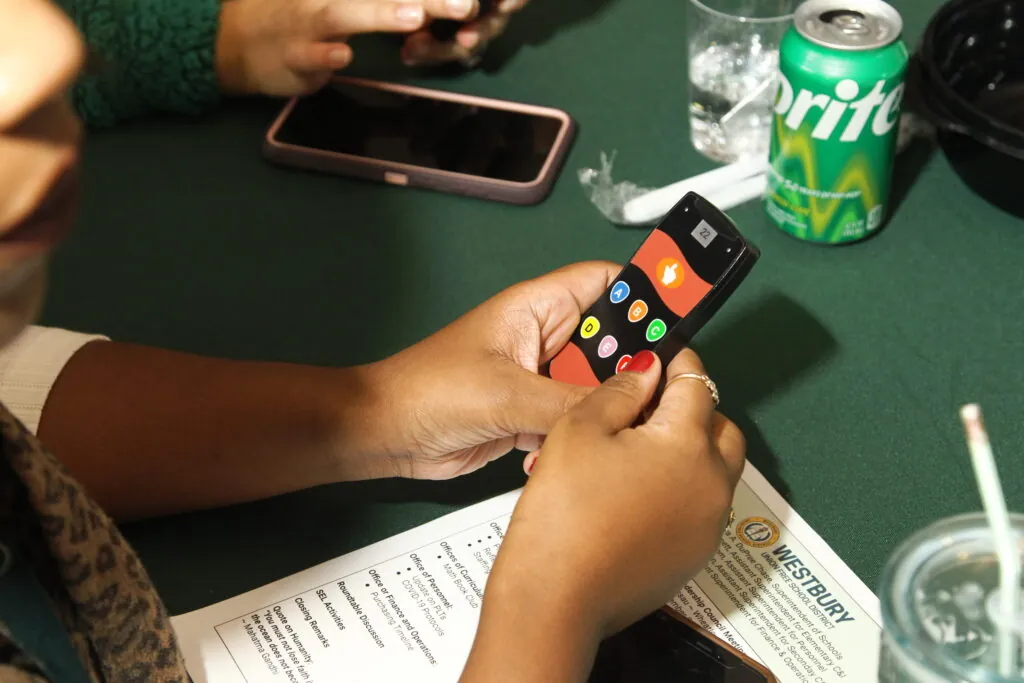
Alternatively, audience response system games use software and handheld devices to create an interactive experience for participants.
These systems allow you to customize quizzes, surveys, and polls that can entertain and engage your employees.
The audience response system makes it easy for everyone to participate and gives real-time feedback, making it perfect for team-building activities or icebreakers.
How to Set Up Charades Game
What You Need
How to Set Up
Slips of paper with phrases, books, movies or songs on it
Write various phrases, books, movies or songs on small slips of paper and put them in a bowl or hat.
A timer
Use a timer to keep track of the time for each round.
A designated performer
One person from each team will act out the phrase while the rest of the team guesses what it is.
A scorekeeper
Assign someone to keep track of the scores for each team.
Overall, including charades or audience response system games at your company’s annual dinner will enhance participation, creativity, and teamwork among your employees.
Also, it will create a fun and engaging environment that will make your event a memorable one.
Want the dinner people talk about all year? Our hosts run the games, the scoring and the prizes so you can enjoy the night.
Music Trivia Game (2000 – Present)
10 Questions – Let’s Play!
5 - Corporate Trivia
When planning your annual dinner party, incorporate unique and personalized touches to make the event memorable for everyone.
Consider the theme of the annual dinner party and create an atmosphere that matches it. Make the party inviting and interactive with games, photo booths, and interactive entertainment.
Additionally, be sure to communicate with your employees and gather input for the menu and activities to ensure maximum enjoyment and participation.
Tips for Customized Corporate Trivia:
Choose categories carefully: Choose categories that reflect the company's history, culture, and achievements, and that everyone can participate in.
Keep the tone light and fun: Ensure the questions are engaging, entertaining, and not too difficult to avoid discouraging employee participation.
Offer prizes: Everyone loves to win, so consider offering prizes for winners to rev up the friendly competition and encourage participation.
6 - Never Have I Ever Game and The Match Game
Searching for a way to break down barriers and encourage bonding among your employees?
Then, consider Never Have I Ever pr The Match Game. Never have I ever is a game that encourages sharing and laughter by inviting participants to reveal personal experiences.
The Match Game, on the other hand, is a classic TV game show that challenges players to match answers with different categories.
Both games are fun, easy-to-play options that create a lively atmosphere and encourage teamwork among colleagues.
7 - Photo Booths and 360 Photo Booths
Add to your annual dinner a memorable experience by capturing the fun and excitement with photo booths and 360 photo booths.
These photo-taking experiences will provide lasting mementos for your employees.
With photo booths, your team can take posed or silly photos with various props and backgrounds.
Plus, with 360 photo booths, you can take immersive photos that capture the entire moment and environment.
Don't miss out on an opportunity to remember your company event.
8 - Dance Performances and Staff Talent Show
Hosting a staff talent show or dance performances is a great way to showcase the hidden talents of your employees and entertain your guests. It allows your employees to express themselves creatively while also promoting team bonding.
Encourage your employees to prepare a dance performance or sign up for the talent show in advance. Dedicate a stage or spotlight area for the performances, which will create a theater-like ambiance.
Benefits
How to Organize?
Entertaining: Dance performances and talent shows will entertain your guests and create a lively atmosphere.
Set a theme: Set a theme for the talent show or dance performances, which will guide the employees' performances.
Promotes Teamwork: Staff talent shows or dance performances encourage collaboration and team bonding as your employees work together to prepare for their performances.
Set Rules: Set rules for the performances, such as the maximum time duration for the acts, guidelines for appropriate content, and criteria for the judges who will decide the winners.
Boost Morale: Showcase the creativity of your employees and boost morale through appreciation of their talents.
Prizes: Offer prizes for the winners to encourage participation and healthy competition. Prizes could include gift cards, team dinners, or other incentives.
Just make sure to create a comfortable environment for the performers so that they are motivated to give their best performance. The audience will surely appreciate the talent and creativity of their colleagues.
9 - Employee Engagement Icebreaker/Networking Games
Promoting employee engagement is essential for building a positive and supportive work environment.
Break the ice and foster deeper connections among your team with fun networking activities and icebreaker games.
Not only will this promote teamwork and communication, it will also encourage employees to get to know each other beyond work-related interactions.
Icebreaker Games
Icebreaker games are perfect for breaking down barriers and encouraging employees to open up.
Try games like "Two Truths and a Lie" or "Would You Rather" to get everyone laughing and engaging in light-hearted banter.
Networking Activities
Networking activities are a great way to promote collaboration and team bonding.
Try activities like "Speed Networking" or "Team Trivia" to get employees working together and learning more about each other.
360 Degree Feedback
360-degree feedback is a valuable tool for promoting employee engagement.
This process allows employees to give feedback to each other, highlighting areas of strength and opportunities for improvement.
It also fosters open communication and promotes a culture of continuous improvement.
Overall, employee engagement and networking activities are essential for building a strong company culture and promoting a positive work environment.
By breaking the ice and fostering deeper connections, you'll create a team that works together to achieve common goals.
10 - Celebrate a Prosperous Year and Reward the Winners
Team Building - winners
As the night comes to an end, take a moment to celebrate the year's successes with your team.
Highlight the most significant achievements, thank employees for their hard work, and recognize those who have gone above and beyond.
This is a perfect opportunity to strengthen your company culture and show your employees how much they are valued.
Don't forget to reward the winners of the games as well! Offer prizes such as gift cards, company swag, or even a day off.
Recognizing their efforts and accomplishments will motivate your team to continue going above and beyond in the coming year.
A successful annual dinner not only brings your team closer but also helps to create a positive work environment.
Encourage your employees to continue building strong relationships and supporting one another, even after the event has ended.
By doing so, your team will be stronger and better equipped to tackle challenges as they arise.
Ensure that your team members have a fantastic time at the annual dinner by planning every detail from start to finish.
With the right combination of games, entertainment, and prizes, you can create an event that everyone will remember fondly.
Celebrate a prosperous year with your team, reward the winners, and strengthen your company culture in the process.
Team Building Game Show Mania
FAQ – Game Ideas for Company Annual Dinner
Q1. What are some fun games for a company annual dinner in 2025?
Games like lip sync battles, charades, corporate trivia, Minute to Win It, and photo scavenger hunts bring fun, engagement, and team bonding to your annual dinner.
Q2. What game shows are most suitable for a company’s annual dinner?
Family Feud, Jeopardy, and Minute to Win It are top picks that mix trivia, challenges, and fun to keep guests engaged and entertained.
Q3. How can a Lip Sync Battle or Karaoke add entertainment to a company annual dinner?
They showcase employees' hidden talents, spark laughter, and bring energy to your event, making it more memorable.
Q4. How can Charades and Audience Response Keypad System games break the ice?
These interactive games encourage participation and creativity, helping attendees loosen up and connect with each other.
Q5. How can dance performances and a staff talent show enhance an annual dinner?
They highlight employee talents, foster collaboration, and create an entertaining, vibrant event atmosphere.
Q6. How can celebrating a prosperous year and awarding prizes strengthen company culture?
Recognizing team achievements and rewarding game winners boosts morale, strengthens company culture, and sets a positive tone for the year ahead.
Quick answer: One of the best options for holiday party entertainment in Hackensack NJ is a live hosted game show that gets your whole team playing instead of watching. It’s PlayTyme Game Shows brings the full show to your restaurant, banquet room, or office for 20 to 300+ guests, who play on teams right from their dinner tables.
One of the best forms of holiday party entertainment in Hackensack NJ is the kind your whole team joins in, not the kind they sit and watch. A live, hosted game show turns a year-end dinner into a party where everyone plays, and It’s PlayTyme Game Shows brings the entire production to your restaurant, venue, or office.
If you’re the one planning this year’s party, you already know the usual script: people show up, eat, sit with the same coworkers they see every day, listen to a toast, and head home early. It’s fine. Nobody remembers it. Your team worked hard all year, and the party should feel like a celebration of that, not another obligation on the calendar.
Corporate Holiday Party
Planning holiday party entertainment in Hackensack? We bring hosted game shows to your venue for 20 to 300+ guests.
Dinner feeds people. It doesn’t connect them. At most holiday parties, the room breaks into the same small groups that already exist at work: the front office at one table, the managers at another, and the new hires wondering where to sit.
Passive entertainment doesn’t fix that. A DJ plays to whoever feels like dancing. A band is background noise. A speaker is one more presentation in a year full of them.
A hosted game show changes the room. Guests are mixed into teams, a professional host drives the energy, and within ten minutes people who barely know each other are cheering, strategizing, and arguing over survey answers. Everyone plays, not just a vocal few.
A Holiday Celebration, Not Another Work Exercise
Nobody wants a trust exercise at the holiday party. Your team wants to relax, celebrate, and have a good time with the people they spent the year with.
That’s why a holiday game show works when a typical team builder doesn’t. It doesn’t feel like work. There are no worksheets, no debriefs, and no one gets put on the spot. It’s a celebration with a scoreboard. The connection happens on its own, because people open up in play faster than they ever will in a meeting.
And the end of the year is the perfect time for it. The game can look back on the year your team just had: the wins, the busy seasons, and the moments everyone remembers.
Inside a Hackensack Holiday Game Show at Maggiano’s
Medical teams in the area have booked us for their end-of-year celebrations at Maggiano’s in Hackensack. They wanted more than dinner and a toast: an activity that brought the whole staff together to celebrate the year.
For one of those parties, a private practice of about 50 people, we coordinated the production logistics with the venue ahead of time. Maggiano’s had the banquet room set when we arrived, and our crew transformed one area of it into a game show set. By the time our client walked in, the show was ready to go. Guests never had to leave their seats: they played on our PlayPads right from their dinner tables.
One of the rounds was Office Shenanigans, a majority-rules game where the staff answers poll questions about how they feel about their daily work environment, and then the room sees what the majority said. The laughs were nonstop, because everyone recognized the answers.
Near the end of the round, one of the leaders leaned over to a colleague and asked, “Do you think they were trying to tell us something?”
That’s what a year-end game show can do that dinner can’t. The staff got a night to celebrate, and leadership got an honest look at how their team experienced the year, without a single survey or speech.
The biggest question planners ask us is simple: will everyone play, or will the same five people run the show while the rest of the room watches? Here’s how we keep every guest in the game.
Guests play from their tables. Every guest answers on a PlayPad, so nobody has to leave their seat, line up, or walk to a stage to take part.
Everyone is on a team. Team-based formats mean there are no spectators. Every table is competing, so every guest has a reason to pay attention.
Quieter guests are never put on the spot. They answer on their PlayPad along with everyone else, so they’re part of every round without being called up in front of the room.
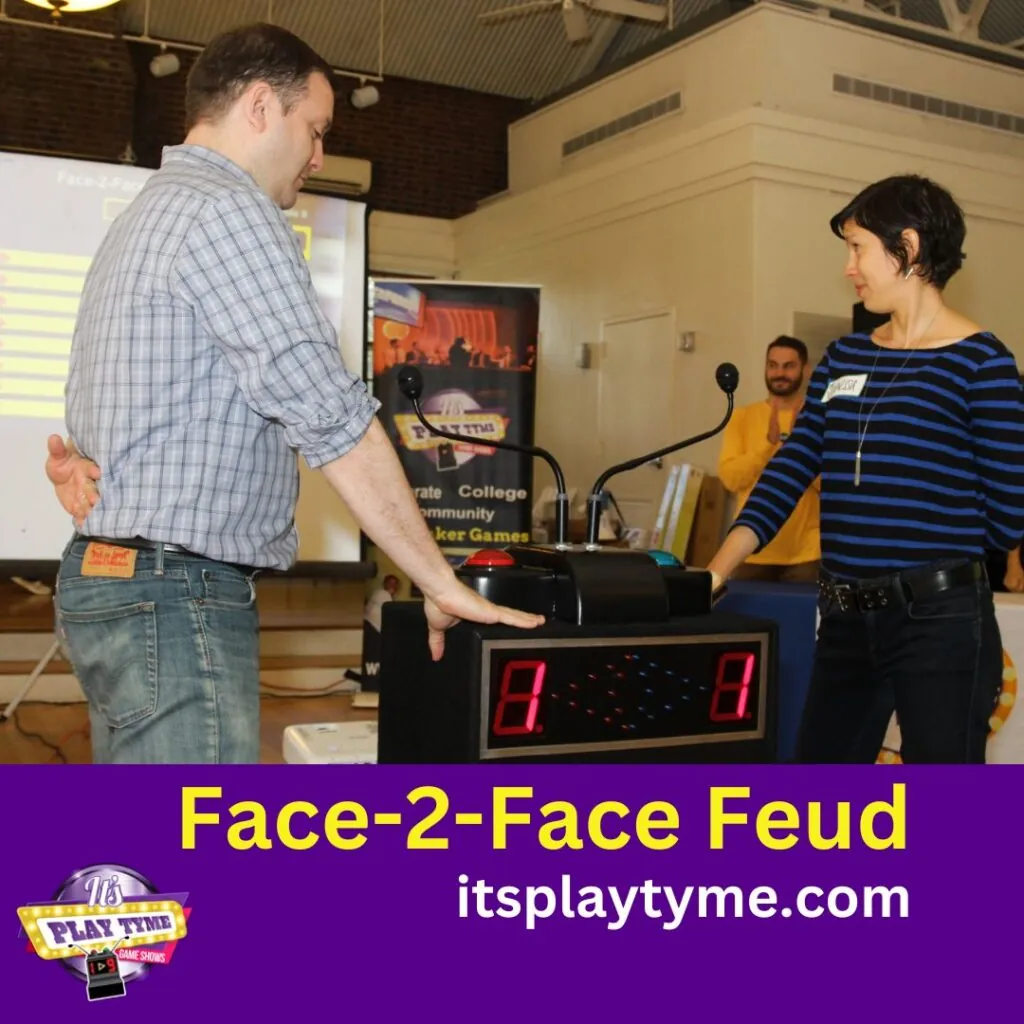
The format fits your group size. The show works for about 20 guests up to 300+. Smaller groups can play Face-2-Face Feud head-to-head from the start.
Big groups get a finale. For groups over 50, everyone starts in PlayPad Mania, and the top players move up to a live Face-2-Face Feud finale. The whole room plays first, then cheers on their champions.
Which Holiday Game-Show Format Fits Your Group?
For holiday party entertainment that gets every table playing, these are the four formats we recommend most:
PlayPad Mania puts a device in every guest’s hands, so the whole room answers every round, even the people who never raise their hand.
Face-2-Face Feud is our survey-style buzzer showdown. It’s loud, competitive, and a holiday favorite.
Game Show Mania Trivia is fast-paced team trivia for crowds that love to show what they know. It’s easy to jump into, fun to cheer for, and a great fit for mixed groups where not everyone knows each other yet.
Holiday Game Show Mix combines seasonal rounds and fan-favorite games into one festive show.
We can also build rounds around your company and your year, so the game feels like it was made for your team.
Is Your Hackensack Venue Game-Show Ready?
Most company holiday parties in Hackensack happen in a restaurant banquet room, a hotel function room, or the office itself. Before the big night, run through this checklist with your venue:
Confirm the load-in entrance. Ask the venue which entrance our crew should use to bring in equipment. At Maggiano’s in Hackensack, we load in right at the entrance.
Have the venue set the room first. Ask your venue to set tables and seating before we arrive. We then transform one area of the room into the game show set, so guests can play from their tables.
Give us 2 hours of room access. We set up before your guests arrive and bring our own sound, screens, and equipment.
Ask about insurance early. If the venue needs a certificate of insurance, send us their required wording, and we’ll turn it around in 1 to 2 business days.
Schedule the show after dinner, before dessert. Once plates are cleared, guests are relaxed and ready to play, and dessert becomes the celebration after the final round. A 60-minute show fits that window, and evening start times work for teams that can’t leave early.
How Much Does Holiday Party Entertainment Cost?
Live game shows start at $2,995. Published pricing is approximate: your event day, time, and the game show you choose can move the price up or down. To see the range for your group size, use the pricing slider. There’s no deposit required, and every show is backed by our 100% satisfaction guarantee.
The best dates for holiday party entertainment in Hackensack go fast. Entertainment is usually booked last, after the venue and catering, so short notice is normal for us (we need at least 72 hours). December 9 to 18 is the most requested window and those dates can already be booked, so send your date as soon as you know it. We can sometimes take bookings on shorter notice, depending on availability, but not same-day or next-day.
Frequently Asked Questions About Holiday Parties in Hackensack, NJ
What is the best holiday party entertainment in Hackensack NJ?
One of the best options gets your whole team playing instead of watching. A live hosted game show mixes guests into teams, works for groups of 20 to 300+, and comes to your restaurant, banquet room, or office. Guests can even play from their tables, so the party never has to stop for people to move around.
Can a game show fit inside a restaurant's private room?
Yes. We’ve run holiday parties at Maggiano’s in Hackensack, where the venue set the banquet room before we arrived and we transformed one area into a game show set. Guests played on PlayPads right from their tables. We need access to the room 2 hours before showtime and can provide a certificate of insurance in 1 to 2 business days once we have the venue’s required wording.
How far in advance should we book holiday party entertainment?
Entertainment is usually booked last, after the venue and catering, so short notice is normal for us (we need at least 72 hours). December 9 to 18 is the most requested window and those dates can already be booked, so send your date as soon as you know it. We can sometimes take bookings on shorter notice, depending on availability, but not same-day or next-day.
How much does holiday party entertainment cost in Hackensack?
Live game shows start at $2,995. Published pricing is approximate, and your event day, time, and the game show you choose can move the price up or down. Use the pricing slider on our website to see the range for your group size, or send us your date and headcount for a quote built around your party.
Will it feel like a team building exercise?
No. It’s a party. There are no worksheets, no debriefs, and no awkward exercises, and our host never singles anyone out. Guests play on teams, cheer each other on, and celebrate the year together. The connection still happens, because people open up in play, but it feels like a celebration with a scoreboard, not a work session.
How long is the show?
Most holiday parties book our 60-minute show, which runs after dinner and before dessert. That timing works because guests are relaxed and fed, and dessert becomes the celebration after the final round. A longer 90-minute show is also available for groups that want more rounds.
Quick answer: A team building facilitator fills five roles across three phases of every event. Before the event, they act as planner. During it, they serve as guide, coach, and conflict mediator. After it, they act as evaluator, measuring outcomes and gathering feedback. Together, these roles produce measurable improvements in communication, trust, and collaboration.
That someone is a team building facilitator. The role goes far beyond standing at the front of a room and reading trivia questions. A skilled facilitator wears five distinct hats across three phases of every event: before, during, and after. Organizations that treat facilitation as a nice-to-have end up with forgettable offsites and unchanged team dynamics. The ones that treat it as a core function get measurable improvements in communication, trust, and collaboration.
If your team building events feel flat, if participation drops off after the first 20 minutes, or if nothing changes once everyone goes back to their desks, the problem is almost never the activity itself. It is the absence of intentional facilitation. Understanding each team building facilitator role is the first step toward running events that produce lasting results.
Need a team building facilitator? Our professional hosts run game shows for 20 to 300+ people, on site anywhere in NJ, NYC and CT.
Only 20% of employees worldwide are engaged at work, according to Gallup.
75% of cross-functional teams are dysfunctional on at least three of five performance measures.
A skilled facilitator wears five distinct roles across three phases: before, during, and after.
Treating facilitation as a core function drives measurable gains in communication, trust, and collaboration.
Getting people into the same room without a facilitator leaves team dynamics unchanged.
What a Team Building Facilitator Actually Does
A team building facilitator is the person responsible for designing, directing, and measuring the impact of a group experience. This is not the same as an event coordinator who handles logistics, or a keynote speaker who delivers a presentation. A facilitator actively shapes group behavior in real time.
The role requires reading a room, adjusting the energy, drawing out quiet participants, and redirecting dominant ones. It demands preparation before the event, active management during the event, and structured follow-up after the event. Each of these phases involves a specific role that the facilitator fills. When all five roles work together, a team building event becomes a turning point rather than a checkbox.
The Five Team Building Facilitator Roles: A Complete Framework
Every successful team building event depends on five facilitator roles distributed across three phases. Here is how they break down:
Role
Phase
Primary Function
Key Outcome
Planner
Before
Set objectives, design format, tailor to group
Aligned expectations and structure
Guide
During
Direct flow, manage transitions, keep energy high
Smooth execution and full participation
Coach
During
Encourage growth, challenge comfort zones
Individual and team development
Conflict Mediator
During
Address tension, reframe disagreements
Psychological safety and trust
Evaluator
After
Measure outcomes, gather feedback, report results
Accountability and continuous improvement
Each role builds on the others. Skip the planning phase and the guide has no roadmap. Skip evaluation and the organization has no way to justify the investment or improve the next event.
Before the Event: The Planner Role
The planner role starts weeks before anyone walks into the room. This is where the facilitator interviews stakeholders, identifies team dynamics, and defines measurable objectives. A planner asks: What is this team struggling with? Is it communication breakdowns between departments? Low morale after a restructuring? A new team that has never worked together in person?
Based on those answers, the planner selects the right format. A team dealing with trust issues needs a different structure than a team celebrating a strong quarter. The planner also handles practical considerations:
Group size and how to divide into sub-teams
Physical space requirements and room layout
Time allocation for each segment
Accommodations for different personality types (introverts, remote employees, new hires)
Materials, technology, and backup plans
At It’s PlayTyme Game Shows, the planning phase includes a detailed consultation where facilitators learn about the group’s goals, culture, and dynamics before recommending a specific game show format. This preparation is what separates a generic icebreaker from a targeted team building experience.
During the Event: The Guide Role
Once the event begins, the facilitator shifts into the guide role. The guide controls the pace, manages transitions between activities, and keeps the group focused on the objective. This role is part traffic director, part storyteller.
A strong guide does three things simultaneously. First, they maintain energy levels throughout the session. Energy naturally dips after 30 to 45 minutes, so the guide introduces variety and movement at the right moments. Second, they give clear instructions that every participant understands, regardless of their familiarity with the activity. Third, they create a sense of narrative arc so the event feels purposeful from start to finish, not like a random collection of games.
The guide role is especially visible in game show formats, where the facilitator serves as the host: introducing rounds, explaining rules, building suspense, and keeping score. It’s PlayTyme’s professional hosts are trained to adapt their pacing and energy to each audience, whether it’s a group of 15 executives or 200 sales representatives at a national conference.
During the Event: The Coach Role
While the guide keeps the event running, the coach works on a deeper level. The coach watches for opportunities to push individuals and teams just past their comfort zones. This role focuses on growth, not just entertainment.
A coaching facilitator notices when a naturally quiet team member starts contributing and reinforces that behavior. They spot when a dominant personality is shutting down input from others and redirect without embarrassing anyone. They design moments where teams must rely on each other’s strengths: one round that rewards quick thinking, another that rewards careful strategy, a third that rewards creativity.
The coach role is what separates a team building event from a company party. Parties are fun. Team building with coaching produces observable shifts in how people interact after they return to the office. The best facilitators embed coaching moments into competitive formats so participants experience growth without feeling like they are in a training session.
Want a host who reads the room? Ours keep energy high, include everyone and keep the event on schedule.
Competition brings out strong emotions. Disagreements surface. Old tensions between departments or personalities bubble up under pressure. The conflict mediator role is the facilitator’s ability to handle these moments constructively.
Effective mediation during a team building event looks subtle. The facilitator restructures teams mid-event to break up a negative dynamic. They reframe a heated exchange as healthy competitive spirit. They use humor to defuse tension without dismissing the underlying issue. In rare cases, they pull a participant aside for a quick one-on-one reset.
This role requires experience and emotional intelligence that no activity guide or instruction manual provides. A facilitator who has run hundreds of events recognizes the early signals of group conflict: crossed arms, side conversations, eye rolls during instructions, or one sub-team disengaging entirely. Catching these signals early and responding with skill is what keeps an event productive instead of letting it spiral.
After the Event: The Evaluator Role
The fifth and most overlooked team building facilitator role is the evaluator. Once the event ends, the evaluator gathers data on what worked, what fell flat, and what changed. This phase turns a single event into part of a larger strategy.
Evaluation takes several forms:
Immediate feedback: short surveys or verbal check-ins right after the event
Behavioral observation: notes on team dynamics, participation levels, and breakthrough moments
Follow-up reporting: a summary delivered to the organizer with recommendations for next steps
Long-term tracking: connecting the event to changes in engagement scores, retention, or collaboration metrics over the following weeks
Without evaluation, organizations repeat the same mistakes. They book the same generic activity year after year because no one measured whether it worked. The evaluator role closes the loop and gives leadership the information they need to invest wisely in future team development.
The Awkward Hour Problem Teams Face Without Facilitation
When organizations try to run team building without a professional facilitator, predictable problems emerge. Recognizing these patterns helps explain why the investment in skilled facilitation pays for itself.
The “Awkward Hour” Problem
Without a confident guide at the front of the room, events start slowly and never build momentum. Participants check their phones, side conversations take over, and the organizer spends more time managing logistics than engaging the group.
One Voice Dominates
In unfacilitated group activities, the loudest person in the room controls the outcome. Quieter team members disengage, and the event reinforces existing power dynamics instead of breaking them down. A facilitator in the coach and mediator roles actively balances participation.
No Connection to Real Work
DIY team building often defaults to generic activities pulled from a quick internet search. These activities have no connection to the team’s actual challenges. Without the planner role, objectives are vague or nonexistent, and participants leave wondering what the point was.
Zero Follow-Through
The most common failure: the event ends and nothing happens next. No debrief, no feedback, no action items. Without the evaluator role, the experience evaporates within a week, and the organization has no data to show for its investment.
Conflict Goes Unmanaged
Competitive activities surface real tensions. Without a mediator, those tensions either go unaddressed (building resentment) or escalate publicly (creating an uncomfortable scene). Both outcomes damage trust rather than build it.
Why It’s PlayTyme Game Shows Fills All Five Roles
It’s PlayTyme Game Shows brings trained facilitators who operate across all five roles for every corporate event. Before the event, their team conducts a planning consultation to understand objectives, group dynamics, and logistical requirements. During the event, their professional hosts serve as guide, coach, and mediator simultaneously, managing energy, encouraging full participation, and handling competitive tensions with experience earned across thousands of events.
Their game show formats (including Face-2-Face Feud, trivia challenges, and customized rounds) are specifically designed to give the facilitator natural coaching moments. Rounds rotate the skills being tested so every personality type gets a chance to contribute. The competitive structure creates the pressure that surfaces real team dynamics, while the facilitator’s skill keeps that pressure productive.
After the event, organizers receive feedback on how the group performed, which activities generated the strongest engagement, and what to consider for future events. This evaluation component is what makes It’s PlayTyme a partner in team development rather than a vendor that shows up, performs, and leaves.
How to Select the Right Team Building Facilitator
Choosing a facilitator is a decision that directly affects whether your event produces results or wastes everyone’s afternoon. Here is what to look for:
Ask about their planning process. A facilitator who jumps straight to activity selection without asking about your team’s goals is skipping the planner role. Look for someone who starts with questions, not a sales pitch.
Check their experience with your group size. Facilitating a group of 12 is fundamentally different from facilitating a group of 200. The guide and mediator roles scale differently, and your facilitator needs proven experience at your scale.
Look for adaptability. The best facilitators adjust in real time. Ask for examples of when they changed their plan mid-event because the group needed something different. Rigid facilitators miss coaching and mediation moments.
Request post-event deliverables. If a facilitator does not offer any form of evaluation or follow-up, they are filling three roles at best. The evaluator role is what turns a one-time event into ongoing improvement.
Prioritize format variety. Facilitators who only offer one type of activity (ropes courses, escape rooms, lecture-style workshops) are limited in their ability to match the format to your team’s needs. Look for providers with multiple formats and the expertise to recommend the right one.
It’s PlayTyme Game Shows checks every box on this list, with a range of team building activities designed for groups of all sizes across New Jersey, New York City, and Connecticut. Their facilitators bring the planning, guiding, coaching, mediating, and evaluating that transform a corporate event from an obligation into an investment that pays off in stronger teams.
What are the main roles of a team building facilitator?
A team building facilitator fills five roles: planner (before the event), guide, coach, and conflict mediator (during the event), and evaluator (after the event). Each role targets a different aspect of the team experience, from setting objectives and managing energy to resolving tensions and measuring outcomes.
How is a facilitator different from an event coordinator?
An event coordinator handles logistics: booking the venue, ordering food, managing the schedule. A facilitator shapes the group experience itself, actively directing participation, reading the room, coaching individuals, and ensuring the activity produces a measurable outcome. The two roles complement each other but require different skill sets.
Does every team building event need a professional facilitator?
Small, informal gatherings (like a team lunch) do not require formal facilitation. However, any event with a specific objective, such as improving communication, integrating new team members, or rebuilding trust after a difficult period, benefits directly from a trained facilitator who fills all five roles. The larger the group, the more critical professional facilitation becomes.
How do I measure whether a facilitator was effective?
Look at three indicators: participant engagement during the event (were people actively involved or checking out?), immediate feedback scores after the event, and observable changes in team behavior over the following weeks. A strong facilitator in the evaluator role provides this data as part of their service.
What makes It’s PlayTyme Game Shows different from other team building providers?
It’s PlayTyme’s facilitators are trained to operate across all five roles, not just the guide role that most providers focus on. Their game show formats create natural opportunities for coaching and conflict mediation, and their pre-event consultation and post-event feedback cover the planner and evaluator roles that other providers skip. They serve corporate groups of all sizes across NJ, NYC, and CT.
What are the three phases a team building facilitator works across?
A skilled facilitator is active before, during, and after every event. Pre-event work shapes the design, live facilitation guides the experience, and post-event follow-through connects the activity to lasting team dynamics.
Why do so many cross-functional teams fail even when they meet regularly?
Harvard Business Review research found that 75% of cross-functional teams are dysfunctional, failing on at least three of five key performance measures. Getting people into a room together is not enough without someone actively shaping the experience.
Quick answer: The best team building puzzle activity depends on group size. For small pods, escape rooms and logic workshops build deep collaboration. For groups over 30, game-show puzzle rounds with a professional live host keep every team solving together, and they scale from 20 to 300+ people.
Only 20% of employees worldwide are actively engaged at work, according to Gallup’s latest global workplace report. Meanwhile, research from MIT’s Human Dynamics Laboratory, published in Harvard Business Review, found that communication patterns predict up to 35% of a team’s performance variation. Those numbers tell the same story: most teams need structured, hands-on experiences that force real interaction, not another icebreaker that everyone forgets by lunch.
Team building puzzle activities fill that gap. They put groups under shared time pressure, require back-and-forth communication, and reward collective problem-solving over individual speed. The result is genuine collaboration, not performative socializing.
But picking the right puzzle format is harder than it sounds. Many organizers default to a single escape room booking or a generic trivia night, only to watch half the group disengage within minutes. Remote and hybrid teams face an additional barrier: most physical puzzle activities exclude anyone not in the room. Large groups over 30 people overwhelm formats designed for pods of six. And without a trained facilitator, even a well-designed puzzle devolves into one or two people solving everything while the rest watch.
Love puzzle activities for your team? We host puzzle and trivia game shows for 20 to 300+ people across NJ, NYC and CT.
Team building puzzle activities are structured group exercises built around a problem that requires collective reasoning to solve. Unlike open-ended brainstorming or trust falls, puzzles have a defined answer (or set of answers), a time constraint, and a clear win condition. That structure creates urgency and accountability.
The category is broad. It includes physical jigsaw relays, cryptic clue sequences, logic grids, trivia rounds with layered hints, codebreaking challenges, and collaborative brainteaser segments where each team member holds a different piece of the solution. What unites them is that no single person has enough information or time to solve the puzzle alone. The group either communicates and delegates, or it loses.
This makes puzzle activities distinct from competitive games (where one person’s skill dominates) and from passive team outings (where interaction is optional). Puzzles enforce participation by design.
Why Puzzle Activities Outperform Standard Team Building Exercises
Standard team building formats (bowling, happy hours, rope courses) create proximity without requiring collaboration. People talk, but they don’t solve anything together. Puzzle activities reverse that dynamic.
Cognitive load forces communication
When a group faces a multi-step puzzle under time pressure, members naturally divide labor. Quiet employees who fade into the background during social events become essential when they hold a clue nobody else has. The puzzle structure surfaces skills and voices that standard formats suppress.
Defined outcomes create shared memory
Teams remember whether they solved the puzzle or not. That shared success (or failure) creates a reference point that persists far longer than a catered lunch. Groups that solve a difficult puzzle together develop inside references, shorthand, and a collective confidence that carries back to the workplace.
Scalable difficulty matches any group
A well-designed puzzle format adjusts its difficulty curve. Entry-level rounds get everyone participating before harder rounds test the group’s ability to organize under pressure. This progression keeps both puzzle veterans and newcomers engaged throughout the event.
Where Puzzle Activities Fall Apart for Bigger Groups
Not every puzzle activity delivers results. Several common problems undermine the experience.
The spectator problem. In small-format puzzles (especially escape rooms), dominant personalities take over while quieter members stand back. A puzzle designed for six people does not work for a department of 40.
One-note formats. A single puzzle type (all trivia, all physical, all logic) only engages people who are strong in that specific area. Mixed formats reach broader skill sets and keep energy high across rounds.
No facilitation. DIY puzzle setups lack pacing, scoring, and the ability to read the room. Without a facilitator who adjusts timing and energy, groups stall on one problem or rush through without reflection.
Excluding remote participants. Physical-only puzzles shut out hybrid and remote team members entirely. Any modern team building puzzle activity needs a format that works across locations, or a deliberate plan for inclusion.
Low stakes, low engagement. Puzzles without competition, time pressure, or meaningful scoring feel like homework. The best formats add game-show energy: buzzers, leaderboards, music, and live hosts who raise the stakes.
Types of Team Building Puzzle Activities
The right format depends on group size, venue, objectives, and how much energy you want in the room. Here are the primary categories.
Escape room challenges
Small groups (4 to 8 people) work through a series of interconnected puzzles in a themed environment. Escape rooms build intense collaboration within small pods, but they scale poorly. A 50-person department needs multiple rooms, staggered timing, and a way to unify the experience afterward.
Scavenger hunts with puzzle checkpoints
Teams move through a physical or virtual space, solving clues at each stop to unlock the next location. These work well for mid-size groups (15 to 50) and add a physical component. The downside: logistics get complex in unfamiliar venues, and outdoor hunts depend on weather.
Logic and brainteaser workshops
Facilitated sessions where teams tackle lateral-thinking problems, pattern recognition tasks, and collaborative logic grids. These are cerebral and work well for analytical teams, but they lack the competitive energy that keeps large groups engaged over 60 or more minutes.
Trivia relay rounds
Teams answer questions across rotating categories, with bonus rounds that layer in physical or creative challenges. Trivia relays scale to large groups and keep energy high, but generic pub trivia formats often lack the puzzle depth that forces real teamwork.
Game-show puzzle rounds
The highest-energy format. A live host runs teams through cryptic clue sequences, collaborative brainteaser segments, and multi-round puzzle challenges with buzzers, scoring, music, and audience interaction. It’s PlayTyme Game Shows specializes in exactly this format, combining the intellectual engagement of puzzle activities with the production energy of a live game show. Teams solve problems together under stage-lit, time-pressured conditions that transform a standard team building event into a memorable experience.
Format
Best Group Size
Energy Level
Facilitation
Scales to 50+
Game-Show Puzzle Rounds (It’s PlayTyme)
20 to 300+
High
Professional live host
Yes
Escape Rooms
4 to 8 per room
Medium-High
Room-specific guide
No
Scavenger Hunts
15 to 50
Medium
Self-guided or facilitator
Limited
Logic Workshops
8 to 30
Low-Medium
Workshop leader
No
Trivia Relays
10 to 100
Medium-High
Host or app-based
Yes
Want puzzles that work for a big group? Our game show rounds keep every team solving and competing together.
What Makes Game-Show Puzzle Rounds the Highest-Energy Option
Game-show puzzle rounds combine the intellectual rigor of escape rooms with the scale and spectacle of live entertainment. Here is what sets this format apart from every other puzzle activity.
Professional hosting and pacing
A trained game-show host reads the room in real time. They speed up rounds when energy peaks, slow down for strategic segments, and keep every team engaged regardless of whether they are leading or trailing. This live facilitation is something no app, worksheet, or DIY setup replicates.
Multi-format puzzle integration
Instead of one puzzle type for 90 minutes, game-show formats rotate through cryptic clue sequences, visual brainteasers, rapid-fire trivia, physical relay challenges, and collaborative decoding rounds. Each format rewards a different skill set, so different team members lead at different moments. Nobody rides the bench.
Built-in competition and scoring
Leaderboards, buzzers, countdown timers, and round-by-round scoring inject urgency that casual puzzle formats lack. Teams that are behind get “comeback” rounds. Teams that are ahead face harder challenges. The scoring design keeps every group invested through the final round.
Scales without losing intimacy
It’s PlayTyme runs game-show puzzle events for groups ranging from 20 to 300+ across New Jersey, New York City, and Connecticut. The format works because puzzle rounds happen within small teams (4 to 8 people), while the game-show wrapper ties everyone into a shared competition. A group of 200 gets the same collaborative puzzle experience as a group of 20.
How to Adapt Puzzle Activities for Different Team Scenarios
No single puzzle format fits every situation. Match the activity to the team’s real constraints.
New teams or post-merger groups
Start with collaborative (not competitive) puzzles that require every member to contribute information. Avoid formats where experienced employees dominate and new hires observe. Game-show rounds with rotating team captains work well here because leadership shifts every few minutes.
Remote and hybrid teams
Use puzzle formats with digital components: virtual clue boards, shared screens for logic grids, and live video hosting. The key is ensuring remote participants solve problems alongside in-room teams, not as a separate track watching a stream.
Large corporate events (50 or more people)
Escape rooms and small-group workshops collapse at this scale. Game-show puzzle formats are one of the few options that maintain energy and participation above 50 people. Round-robin scoring and team-versus-team brackets keep the full room active.
Executive retreats and leadership teams
Use higher-difficulty puzzles with strategic layers: resource allocation under time pressure, multi-step cryptic sequences where teams must decide what information to share and what to withhold. These formats surface decision-making patterns and communication styles that executive coaches reference long after the event.
How to Pick the Right Team Building Puzzle Activity
Start with three questions before booking anything.
How many people are participating? If your group exceeds 30, eliminate formats that max out at 8 per session. Game-show puzzle rounds and trivia relays are the only formats that maintain quality above that threshold without running parallel sessions.
What outcome matters most? If the goal is deep collaboration within small pods, escape rooms and logic workshops deliver. If the goal is company-wide energy, shared memories, and cross-department interaction, a facilitated game-show format wins every time.
Who is facilitating? DIY puzzle setups save money but sacrifice pacing, energy management, and the ability to adjust difficulty on the fly. A professional host transforms the experience from “an activity we did” into “the event everyone talks about.”
For corporate groups across New Jersey, NYC, and Connecticut looking for team building puzzle activities with real production value, It’s PlayTyme’s corporate game show events deliver the combination of intellectual challenge and high-energy entertainment that standard formats lack. Reach out to book your event and see how game-show puzzle rounds transform your next team day.
What are the best team building puzzle activities for large groups?
Game-show puzzle rounds are the strongest option for groups over 30 people. They combine small-team puzzle solving with a large-group competitive format hosted by a professional emcee. Trivia relays also scale well, though they lack the multi-format variety that keeps energy high across a full event.
How long do team building puzzle activities typically last?
Most puzzle-based team building events run 60 to 120 minutes. Game-show formats typically fill 90 minutes with multiple rounds, which is long enough for meaningful collaboration without losing group attention. Escape rooms run 45 to 60 minutes per session but require staggered scheduling for larger groups.
Do puzzle activities work for teams that have never met?
Yes, and they often work better than social mixers for new teams. Puzzles give strangers a shared task and a reason to communicate immediately. Formats that rotate team roles or require every member to contribute a unique clue ensure nobody sits on the sidelines during the first interaction.
What is the difference between puzzle activities and escape rooms?
Escape rooms are one specific type of puzzle activity, limited to small groups in a themed room. Team building puzzle activities is the broader category, including trivia relays, brainteaser workshops, scavenger hunts, and game-show puzzle rounds. The broader formats offer more flexibility in group size, venue, and energy level.
How much do team building puzzle activities cost?
Costs vary by format and group size. DIY puzzle setups cost under $100 in materials. Escape rooms run $25 to $45 per person. Professional game-show experiences with a live host, AV equipment, and custom content typically start at a flat event rate that covers groups of 20 to 300+, making the per-person cost drop significantly for larger teams. Contact your provider directly for exact pricing.
Why are structured puzzle activities more effective than typical icebreakers?
Puzzle activities put groups under shared time pressure, require back-and-forth communication, and reward collective problem-solving over individual speed. MIT research published in Harvard Business Review found that communication patterns predict up to 35% of a team’s performance variation, which is exactly what puzzle formats are built to improve.